Rodents are one of the most damaging and risky pests to deal with in residential and commercial environments. When rodent activity starts to appear, it often means the problem has already moved beyond the surface. This is why many people look into pest control rodents solutions once they begin noticing warning signs such as droppings, noises, or unexplained damage. Rodents are not only a nuisance; they pose serious health, safety, and structural risks if left unmanaged.
This article explains how to identify rodent activity, the difference between basic DIY control and situations that require professional intervention, the health and property risks rodents create, realistic pricing expectations with actual numbers, and long-term prevention strategies that help keep rodents from returning.
Table of Contents
ToggleHow to identify early signs of rodent activity
Rodents are nocturnal and secretive, which means they are often present long before they are actually seen. Recognizing early warning signs is critical for effective pest control rodents efforts.
Droppings
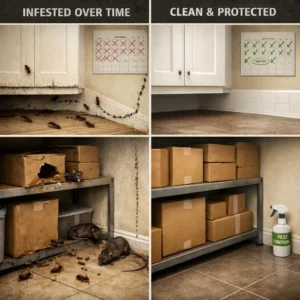
Rodent droppings are one of the most common signs of infestation. Mouse droppings are small and pointed, while rat droppings are larger and blunt. Droppings are commonly found near food sources, inside cabinets, along walls, and in storage areas.
Noises in walls or ceilings
Scratching, gnawing, or scurrying sounds—especially at night—often indicate rodents moving through wall cavities, ceilings, or false ceilings. These noises usually become more frequent as the infestation grows.
Gnaw marks and damage
Rodents constantly gnaw to keep their teeth from overgrowing. Common signs include chewed electrical wires, damaged insulation, bitten food packaging, and gnaw marks on wood or plastic.
Entry points
Small holes near doors, walls, pipes, vents, or foundations can serve as entry points. Mice can squeeze through gaps as small as a coin, while rats need only slightly larger openings.
Nesting areas
Rodents build nests using shredded paper, fabric, insulation, or cardboard. Nests are often hidden in storage rooms, behind appliances, or inside ceilings.
Why rodent infestations escalate quickly
Rodents reproduce rapidly and adapt easily to human environments. A small, unnoticed infestation can become a serious problem in a short period of time.
Factors that cause rodent problems to escalate include:
- Constant access to food and water
- Warm shelter inside buildings
- Hidden movement paths through walls and ceilings
- Delayed response after early signs appear
Without proper pest control rodents intervention, rodents can spread throughout a building and into neighboring units.
Health risks associated with rodents
Rodents are known carriers of bacteria, viruses, and parasites. Their presence poses direct and indirect health risks to occupants.
Common health risks include:
- Contamination of food and surfaces
- Spread of bacteria through droppings and urine
- Allergic reactions and asthma triggers
- Fleas and mites carried by rodents
In commercial settings such as restaurants, warehouses, and offices, rodent contamination can lead to serious hygiene violations and operational disruptions.
Property and infrastructure damage caused by rodents
Beyond health concerns, rodents cause extensive physical damage to properties.
Common types of damage include:
- Chewed electrical wiring, increasing fire risk
- Damaged insulation reducing energy efficiency
- Structural damage to walls, ceilings, and floors
- Ruined stored goods and packaging
These damages often cost far more to repair than early pest control rodents treatment.
What you can do yourself at the early stage
Basic DIY actions can help reduce rodent attraction and support professional results later. These steps are most effective when rodent activity is minimal.
Safe DIY measures include:
- Storing food in sealed, rodent-proof containers
- Cleaning crumbs, spills, and food residue daily
- Removing clutter and unnecessary storage
- Sealing small gaps around doors and pipes
- Reducing access to water sources
These actions help limit conditions that attract rodents but rarely eliminate an active infestation.
Where DIY rodent control usually fails
DIY rodent control often focuses on traps or poisons without addressing entry points or nesting areas.
DIY should stop when:
- Rodents continue to appear after trapping
- Droppings reappear regularly
- Noises persist inside walls or ceilings
- Multiple areas are affected
- There is visible wiring or structural damage
At this stage, professional pest control rodents services are usually the safer and more effective solution.
How professional rodent pest control works
Professional pest control rodents services follow a structured approach designed to control the infestation and prevent recurrence.
Typical steps include:
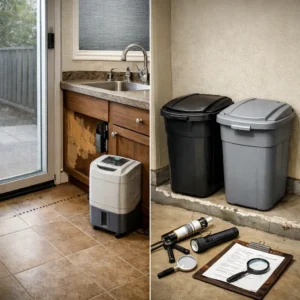
- Detailed inspection to assess infestation severity
- Identification of entry points and nesting zones
- Targeted trapping or baiting strategies
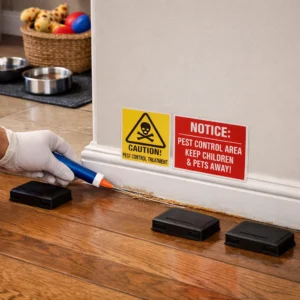
- Installation of bait stations when required
- Recommendations for sealing and sanitation
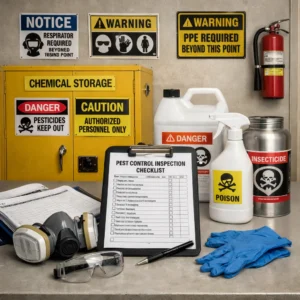
This approach reduces risks associated with improper DIY poison use.
Rodent control pricing with real numbers
Understanding pricing helps set realistic expectations for pest control rodents services.
For residential rodent control, basic pricing commonly follows this structure:
- Studio apartment: AED 79
- 1-bedroom apartment: AED 109
- 2-bedroom apartment: AED 139
- 3-bedroom apartment: AED 159
- 4-bedroom apartment: AED 189
- 5-bedroom apartment: AED 219
For residential plots or villas, installing bait stations is often required and is typically priced at AED 55 per bait station.
Commercial rodent control pricing is usually based on area size. Entry-level commercial treatment often starts from AED 99 for small spaces and increases depending on square meter coverage and infestation complexity.
All prices listed are for basic pest control rodents treatment. Final pricing is determined after inspection, based on site conditions and infestation severity. Customers are informed and approve costs before treatment begins.
Safe cleanup practices after rodent activity
Cleaning rodent-affected areas requires care to avoid health risks.
Safe cleanup practices include:
- Wearing gloves and masks
- Avoiding sweeping dry droppings
- Using disinfectant solutions
- Sealing waste before disposal
Professional guidance is recommended when contamination is extensive.
Seasonal rodent behavior
Rodent activity often increases during certain seasons as they seek shelter, food, or warmth. Understanding these patterns helps with prevention.
Seasonal behavior includes:
- Increased indoor activity during hotter months
- Greater nesting near food storage areas
- Movement through drainage and service lines
Long-term prevention strategies
Effective pest control rodents management focuses on prevention as much as treatment.
Key prevention strategies include:
- Maintaining strict sanitation routines
- Sealing structural gaps and entry points
- Reducing clutter and unused storage
- Regular inspections in high-risk areas
Integrated pest management combines inspection, exclusion, sanitation, and monitoring to reduce long-term risk.
When professional rodent control becomes necessary
Professional intervention is usually required when rodent activity persists or escalates.
Signs expert help is needed include:
- Repeated sightings or droppings
- Health symptoms among occupants
- Damage to wiring or structures
- Business compliance or hygiene concerns
A practical next step for pest control rodents
Rodent problems rarely resolve on their own. Left untreated, they can cause health risks, property damage, and costly repairs. While early DIY steps can help reduce attraction, active infestations usually require professional control.
First Station Pest Control Services provides structured pest control rodents solutions using inspection-led methods, safe treatment strategies, and transparent pricing. If you are unsure whether professional treatment is needed yet, using the WhatsApp or Call button at the top of the page allows you to discuss your situation calmly and understand the safest next step.
Conclusion
Pest control rodents is about protecting health, property, and long-term safety. By recognizing early signs, understanding pricing, knowing when DIY should stop, and applying effective prevention strategies, rodent problems can be managed responsibly and prevented from returning.