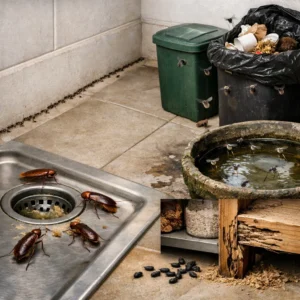
Mosquito activity is more than just a seasonal annoyance. In many residential and commercial environments, mosquitoes can become a persistent problem that affects comfort, health, and daily routines. This is why many property owners start looking into pest control for mosquitoes when simple solutions no longer seem to work. Understanding how mosquitoes breed, what attracts them, and how control methods actually work is essential for reducing their presence effectively.
This article explains practical and actionable steps you can take to reduce mosquito activity on your own, how professional pest control for mosquitoes works at a high level, the difference between treating mosquito larvae and adult mosquitoes, when professional intervention becomes necessary, the health risks associated with mosquitoes, safety considerations for families, pets, and beneficial insects, and why ongoing or seasonal mosquito management often provides better results than one-off treatments.
Table of Contents
ToggleWhy mosquito problems should not be ignored
Mosquitoes are often underestimated because they are small and common. However, their impact goes far beyond irritation. Mosquitoes can disrupt sleep, limit outdoor activities, and in some cases pose health risks through the transmission of diseases.
Ignoring mosquito activity can lead to:
- Increased biting and skin irritation
- Disturbed sleep and reduced comfort
- Higher exposure to mosquito-borne illnesses
- Reduced usability of balconies, gardens, and outdoor spaces
- Negative experiences for guests, customers, or employees
When mosquito activity becomes frequent or widespread, pest control for mosquitoes becomes a matter of prevention and health protection rather than convenience.
Understanding how mosquitoes breed and spread
To control mosquitoes effectively, it is important to understand their life cycle. Mosquitoes lay their eggs in or near water. Even very small amounts of stagnant water can support breeding.
Common mosquito breeding sites include:
- Standing water in plant trays and flower pots
- Clogged drains and gutters
- Unused buckets, containers, or tires
- Water collected on rooftops or balconies
- Poorly maintained garden features
Once eggs hatch, mosquito larvae develop in water before emerging as flying adults. Because this process can happen quickly in warm conditions, mosquito populations can increase rapidly if breeding sites are not controlled.
Practical DIY steps to reduce mosquito activity
In many cases, basic maintenance and preventive steps can significantly reduce mosquito presence. These actions are most effective when mosquito activity is still at an early or moderate level.
Practical DIY steps include:
- Removing standing water from all containers at least once a week
- Ensuring drains and gutters are clear and flowing
- Fixing leaks that create damp areas
- Keeping gardens trimmed and free of debris
- Using screens on windows and doors
These steps help reduce breeding opportunities and make the environment less attractive to mosquitoes. However, they may not be sufficient if mosquitoes are breeding beyond visible areas or in neighboring properties.
Why DIY methods often have limits
DIY mosquito control focuses mainly on reducing visible adult mosquitoes or obvious breeding sites. While helpful, this approach has clear limitations.
DIY methods often fail when:
- Breeding sites are hidden or inaccessible
- Water accumulates in underground or shared drainage systems
- Mosquitoes migrate from nearby untreated areas
- Larvae continue developing unnoticed
- Weather conditions favor rapid reproduction
In these situations, repeated DIY efforts may reduce mosquitoes temporarily but rarely provide lasting control.
How professional pest control for mosquitoes works
Professional pest control for mosquitoes follows a more structured and comprehensive approach. Instead of focusing only on visible mosquitoes, professionals aim to interrupt the mosquito life cycle.
Professional services usually include:
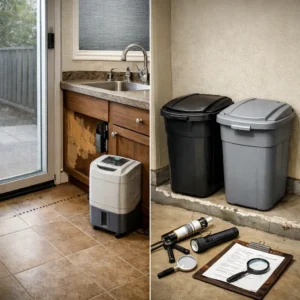
- Inspection of the property to identify breeding areas
- Assessment of water sources and moisture problems
- Targeted treatment of mosquito larvae
- Control of adult mosquitoes in resting areas
- Advice on long-term prevention and maintenance
This approach helps reduce both current mosquito populations and future breeding.
Larvae control versus adult mosquito control
An important part of pest control for mosquitoes is understanding the difference between treating larvae and treating adult mosquitoes.
Larvae treatment
Larvae treatment focuses on preventing mosquitoes from developing into adults. This is often the most effective long-term strategy because it stops reproduction at the source.
Larvae control methods may include:
- Applying approved larvicides to standing water
- Treating drains, sumps, and hidden water collection points
- Reducing moisture and water retention through maintenance
Adult mosquito treatment
Adult mosquito control focuses on reducing the number of flying mosquitoes that cause bites. This provides quicker relief but may need to be repeated if breeding continues.
Professional adult mosquito control typically targets:
- Vegetation where mosquitoes rest
- Shaded outdoor areas
- Building perimeters and entry points
Effective pest control for mosquitoes usually combines both larvae and adult treatment.
Health risks associated with mosquitoes
Mosquitoes are more than a nuisance. They are known vectors for various diseases and can pose health risks, particularly for children, elderly individuals, and people with weakened immune systems.
Potential health concerns include:
- Skin reactions and allergic responses
- Secondary infections from scratching bites
- Transmission of mosquito-borne illnesses
Reducing mosquito exposure is an important preventive health measure, especially in residential communities and workplaces.
Safety considerations for families, pets, and beneficial insects
Safety is a key consideration in pest control for mosquitoes. Professional services use approved products and controlled application methods to minimize risk.
Safety-focused practices include:
- Targeted treatment rather than broad spraying
- Use of products with controlled toxicity levels
- Clear instructions for occupants before and after treatment
- Specific precautions for pets and children
- Consideration of beneficial insects where possible
Responsible mosquito control aims to reduce pests while limiting unnecessary environmental impact.
Signs that indicate a severe or recurring mosquito problem
Some mosquito problems go beyond what basic maintenance can solve. Recognizing the signs of a more serious issue helps determine when professional pest control for mosquitoes is needed.
Warning signs include:
- Persistent mosquito activity despite removing standing water
- Heavy mosquito presence during daylight hours
- Frequent bites indoors
- Complaints from neighbors or nearby units
- Seasonal recurrence year after year
These signs often indicate hidden breeding sources or wider environmental factors.
Pricing details for mosquito pest control
Understanding pricing helps set realistic expectations when considering pest control for mosquitoes. Costs depend on property type, size, and whether treatment is indoor, outdoor, or both.
For residential apartments, basic mosquito pest control pricing is typically:
- Studio apartment: AED 119
- 1-bedroom apartment: AED 139
- 2-bedroom apartment: AED 179
- 3-bedroom apartment: AED 211
- 4-bedroom apartment: AED 238
- 5-bedroom apartment: AED 287
For outdoor garden mosquito treatment, pricing is commonly based on area size:
- Up to 1,000 sqft: AED 150
- Up to 2,000 sqft: AED 200
- Up to 3,000 sqft: AED 230
- Up to 4,000 sqft: AED 260
- Up to 5,000 sqft: AED 290
Commercial mosquito pest control pricing is usually calculated by area size and risk level, starting from AED 120 for smaller spaces and increasing as coverage expands.
All prices listed are for basic mosquito pest control treatment. The final price is determined after inspection based on the specific characteristics of the property, mosquito breeding conditions, and treatment scope.
One-off treatment versus ongoing mosquito management
Many people choose one-off mosquito treatment when activity becomes uncomfortable. While this can provide temporary relief, it often does not address long-term breeding conditions.
Ongoing or seasonal pest control for mosquitoes offers:
- Consistent reduction of mosquito populations
- Better control of breeding cycles
- Reduced need for emergency treatments
- Improved comfort throughout the year
Seasonal programs are especially useful in areas with recurring mosquito activity or shared outdoor spaces.
A practical next step if mosquito activity persists
Mosquito problems rarely disappear without proper control. Left untreated, they can affect health, comfort, and the usability of living and working spaces. While basic maintenance helps, recurring mosquito activity usually indicates the need for a more structured approach.
First Station Pest Control Services provides professional pest control for mosquitoes using inspection-led treatment, targeted larvae and adult control, transparent pricing, and safety-focused methods. If you are unsure whether professional treatment is needed yet, using the WhatsApp or Call button at the top of the page allows you to discuss your situation, understand possible costs, and decide on the most appropriate next step.
Conclusion
Effective pest control for mosquitoes combines practical prevention, targeted treatment, and ongoing management when necessary. By understanding how mosquitoes breed, recognizing the limits of DIY methods, considering health and safety factors, and having clear pricing expectations, property owners can reduce mosquito activity and maintain a more comfortable environment.