Rodents are one of the most disruptive pests found in both residential and commercial environments. Once they gain access to a building, they rarely remain isolated to a single area. This is why many property owners eventually look for rodent and pest control solutions when early signs such as noises, droppings, or damage begin to appear. Understanding how rodent activity starts, why infestations escalate, and when professional intervention becomes necessary is critical for protecting health, safety, and property.
This article explains how to identify common rodent activity, the early warning signs of infestation, the health and property risks rodents pose, practical DIY prevention steps, common misconceptions about rodent control, and why infestations often worsen over time. It also covers how professional rodent and pest control works, what integrated pest management means in practice, how to choose a qualified service provider, and what real pricing structures look like for rodent control services.
Table of Contents
ToggleHow to identify common rodent activity
Rodents are active primarily at night, which means their presence is often detected through indirect signs rather than direct sightings. Early identification is important because rodents reproduce quickly and spread throughout a property using hidden pathways.
Common signs of rodent activity include:
- Droppings found along walls, inside cabinets, or near food storage areas
- Scratching or movement noises in walls, ceilings, or floors, especially at night
- Gnaw marks on wires, wood, plastic, or packaging
- Grease marks or smudge trails along walls and baseboards
- Nesting materials such as shredded paper, fabric, or insulation
Seeing even one or two of these signs usually indicates more than a single rodent is present.
Early signs of rodent infestation
Rodent infestations often start quietly and escalate before being fully noticed. Many people assume a single rodent has entered the property, when in reality multiple rodents may already be nesting nearby.
Early warning signs include:
- Occasional droppings in hidden corners
- Light scratching sounds that stop suddenly
- Food packaging with small bite marks
- Unexplained odors from nesting areas
- Pets reacting to walls or ceilings
At this stage, rodent and pest control efforts are far easier and less costly than after the infestation becomes established.
Health risks posed by rodents
Rodents are more than just a nuisance. They pose serious health risks to occupants of homes and business premises.
Health concerns associated with rodents include:
- Contamination of food and food preparation surfaces
- Transmission of bacteria and pathogens through droppings and urine
- Allergic reactions triggered by rodent dander
- Respiratory issues caused by airborne particles from nesting materials
In commercial environments such as restaurants, warehouses, and offices, rodent activity can also lead to hygiene violations and operational disruptions.
Property damage caused by rodents
Rodents constantly gnaw to keep their teeth from overgrowing. This behavior leads to significant property damage over time.
Common types of damage include:
- Chewed electrical wiring that increases fire risk
- Damaged insulation and ceiling materials
- Structural weakening of wooden elements
- Destruction of stored goods and packaging
What starts as minor damage can quickly become expensive if rodents are left unchecked.
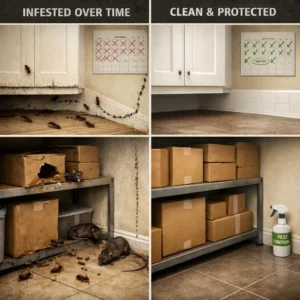
Why rodent infestations escalate
Rodent infestations rarely remain static. Several factors contribute to rapid escalation:
- High reproduction rates
- Abundant food sources
- Multiple hidden entry points
- Lack of early detection
- Ineffective or inconsistent control efforts
Rodents use wall cavities, ceilings, drainage systems, and storage areas to move freely within a building. This makes surface-level solutions ineffective once an infestation is established.
Practical DIY prevention measures
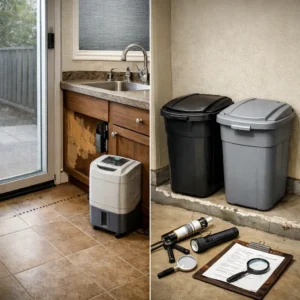
DIY prevention plays an important role in rodent and pest control, especially before an infestation becomes severe. These steps focus on reducing access and attraction.
Effective DIY prevention measures include:
- Sealing cracks, gaps, and holes around doors, pipes, and vents
- Storing food in sealed, rodent-proof containers
- Improving waste management and disposal routines
- Reducing clutter in storage areas
- Eliminating standing water and moisture
These actions reduce the likelihood of rodents entering or settling in a property.
Common misconceptions about rodent control
Many rodent control myths lead to ineffective or risky actions.
Common misconceptions include:
- Believing one trap solves the problem
- Assuming poison is always the best solution
- Thinking rodents will leave on their own
- Relying on ultrasonic devices alone
In reality, improper methods can cause rodents to die in hidden areas, create odors, or push them deeper into the building.
When DIY rodent control is no longer enough
DIY efforts have clear limits. Once rodents are established, professional rodent and pest control becomes necessary.
Signs DIY is no longer sufficient include:
- Repeated rodent sightings
- Droppings appearing daily
- Noises in multiple areas
- Damage continuing despite traps
- Health or safety concerns
At this point, continuing DIY attempts often increases risk and long-term costs.
How professional rodent and pest control works
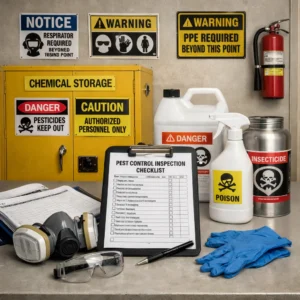
Professional rodent and pest control uses a structured approach known as integrated pest management. This method focuses on control, exclusion, and prevention rather than short-term elimination.
Professional services typically include:
- Detailed inspection to identify rodent species and activity
- Identification of entry points and nesting areas
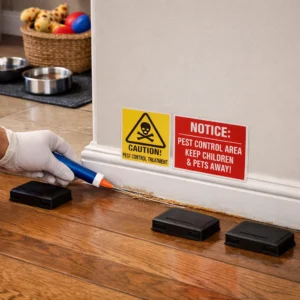
- Targeted trapping or baiting strategies
- Exclusion measures to block future access
- Monitoring and follow-up if required
This approach helps resolve recurring rodent issues safely and effectively.
Understanding rodent control pricing with real numbers
Pricing for rodent and pest control depends on property type, size, and infestation level. Below are examples of common residential rodent control pricing.
Residential apartment rodent control pricing:
- Studio apartment: AED 79
- 1-bedroom apartment: AED 109
- 2-bedroom apartment: AED 139
- 3-bedroom apartment: AED 159
- 4-bedroom apartment: AED 189
- 5-bedroom apartment: AED 219
For residential plots, bait station installation is commonly priced at AED 55 per unit.
Commercial rodent control is usually priced by area size. For example:
- Up to 50 sqm: AED 99
- Up to 100 sqm: AED 169
- Up to 200 sqm: AED 274
- Up to 300 sqm: AED 349
All prices represent basic rodent and pest control treatment. Final pricing is confirmed after inspection based on site conditions and infestation severity.
Choosing a qualified rodent and pest control provider
Choosing the right provider is critical for effective control.
Key factors to consider include:
- Licensing and regulatory approval
- Experience with rodent-specific control
- Clear explanation of methods and safety measures
- Transparent pricing and inspection process
- Willingness to provide follow-up support
Seasonal and location-specific considerations
Rodent activity often increases during temperature changes, construction activity, or changes in waste patterns. Properties near restaurants, warehouses, or open land face higher risk.
Regular inspection and preventive rodent and pest control measures help reduce seasonal surges.
A practical next step if rodent activity continues
Rodent problems rarely resolve without proper control. Left untreated, they pose ongoing health risks and cause cumulative property damage.
First Station Pest Control Services provides structured rodent and pest control solutions through inspection-led treatment, safe methods, and transparent pricing. If you are unsure whether professional intervention is needed yet, using the WhatsApp or Call button at the top of the page allows you to discuss the situation and understand the safest next step.
Conclusion
Rodent and pest control is about early detection, prevention, and choosing the right response at the right time. By understanding rodent behavior, correcting misconceptions, applying effective prevention measures, and involving professionals when needed, homes and businesses can control rodent problems safely and reduce the risk of recurrence.