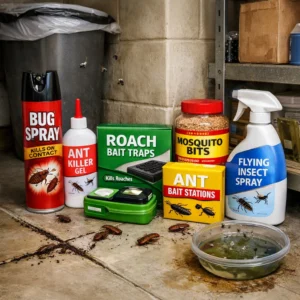
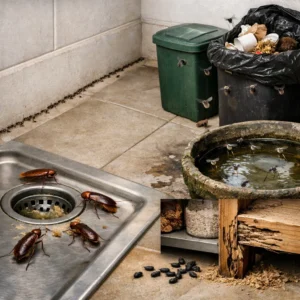
Cockroaches are among the most common and persistent pests in homes, apartments, and businesses worldwide. Their ability to survive in extreme conditions, reproduce quickly, and hide in hard-to-reach areas makes them particularly challenging to deal with. If you’re dealing with cockroaches, either in the early stages or during a full-blown infestation, you might be wondering what the best course of action is. This article will guide you through both DIY and professional cockroach pest treatment methods, explain how to spot an infestation, and provide valuable advice on safe and effective treatment options.
Table of Contents
ToggleWhy Are Cockroaches Such a Big Problem?
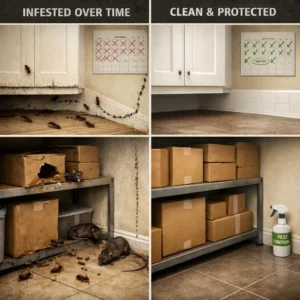
Cockroaches can be more than just an annoying nuisance; they can present real health risks. Cockroaches are known to carry harmful bacteria, allergens, and pathogens that can contaminate food, utensils, and surfaces, potentially leading to food poisoning, asthma, and other health concerns. Their ability to survive in unsanitary conditions makes them a particular risk in kitchens, bathrooms, and other areas where food and moisture are present.
Here are a few reasons why cockroach infestations can become severe if not addressed quickly:
- Rapid Reproduction: A single cockroach can lay dozens of eggs at a time, which means an infestation can multiply quickly.
- Hard to Spot: Cockroaches are nocturnal, so they tend to hide during the day and become active at night, making them difficult to detect.
- Health Risks: Cockroaches can spread bacteria, fungi, and parasites that lead to diseases like gastroenteritis, salmonella, and even trigger asthma or allergies.
- Resilience: Cockroaches are highly resilient pests, capable of surviving without food for weeks and in harsh conditions, making them tough to eradicate.
Signs of a Cockroach Infestation
It’s important to identify a cockroach infestation as soon as possible to prevent it from spreading. Common signs of a cockroach infestation include:
- Droppings: Cockroach droppings resemble pepper or coffee grounds and are usually found in hidden areas like kitchen cabinets, drawers, and under sinks.
- Egg Casings: Cockroaches lay eggs in dark, hidden places. Their egg casings are typically oval-shaped and brown or black.
- Unpleasant Odor: A strong, musty odor in your home can be a sign of a large cockroach infestation, as they secrete an oily substance that can emit a foul smell.
- Shed Skins: As cockroaches grow, they shed their skins. Finding these skins can indicate a growing population.
- Visible Cockroaches: If you spot cockroaches during the day or at night, it’s a strong indicator that you have an active infestation.
DIY Cockroach Pest Treatment: What You Can Do
If you’ve spotted a few cockroaches or are in the early stages of an infestation, a DIY treatment might be a good first step. Here are some effective DIY methods for treating cockroach infestations:
1. Seal Entry Points
One of the first steps in cockroach pest treatment is preventing them from entering your home in the first place. Cockroaches can sneak through tiny gaps in windows, doors, pipes, and drains. Use caulk to seal cracks in walls, windows, and around pipes. Install weather stripping on doors and windows to block entry.
2. Keep Areas Dry
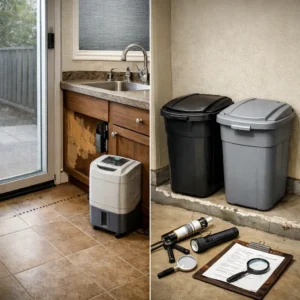
Cockroaches are attracted to moisture, so keeping your home dry is essential in preventing their presence. Fix any leaks, dry up standing water, and ensure there is no excess humidity in your home. Pay special attention to the kitchen and bathroom, as these areas are especially vulnerable.
3. Use Cockroach Traps
Commercial cockroach traps can help monitor the infestation. Place traps in areas where you’ve noticed cockroach activity, such as under the sink, behind the fridge, or along walls. These traps will catch roaches and give you an idea of how large the infestation is. For smaller infestations, traps can reduce the population.
4. Boric Acid and Diatomaceous Earth
Boric acid and diatomaceous earth are both effective and non-toxic options for pest control. You can sprinkle them around areas where you’ve seen cockroaches, such as cracks, under appliances, and along baseboards. When cockroaches walk through the powder, it dehydrates them and eventually kills them.
5. Natural Repellents
Certain natural ingredients act as cockroach repellents. For example, bay leaves, cucumber slices, and citrus peels can be used to repel cockroaches. Essential oils such as peppermint oil, lavender oil, and eucalyptus oil can also be mixed with water and sprayed in areas where roaches are present.
6. Keep Things Clean
Regularly cleaning your home helps to minimize food and water sources for cockroaches. Vacuum up crumbs, wipe down counters, and clean up food and grease spills immediately. Cockroaches are particularly attracted to sugary foods, grease, and pet food, so clean areas where these items are stored or prepared.
When DIY Isn’t Enough: Professional Cockroach Pest Treatment
While DIY solutions can help reduce or prevent cockroach infestations, they may not be enough to completely eliminate a significant infestation. If you’ve tried DIY methods but are still seeing cockroaches or suspect a hidden infestation, it may be time to call in the professionals.
Professional pest control services offer more thorough and effective treatments. A professional exterminator will:
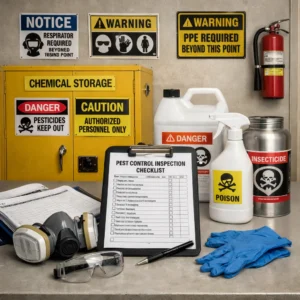
- Inspect the property: A professional will identify the source of the infestation, locate nesting sites, and evaluate the level of infestation.
- Use stronger treatments: Professionals have access to powerful pest control solutions that are more effective at eradicating cockroaches.
- Provide long-term solutions: Pest control services focus on preventing future infestations by identifying entry points, applying preventive treatments, and offering ongoing monitoring.
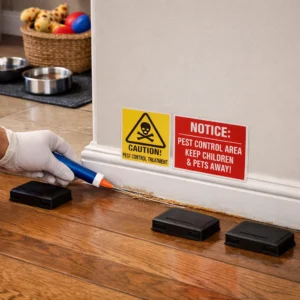
- Ensure safety: Licensed pest control services ensure that treatments are applied safely, especially in households with children, pets, or people with respiratory conditions.
Eco-Friendly, Pet-Safe, and Child-Safe Cockroach Pest Treatment
Many people are concerned about the safety of traditional chemical pesticides, especially when it comes to children, pets, and the environment. Fortunately, eco-friendly and pet-safe pest control treatments are now widely available.
Professional pest control companies often offer green solutions, such as:
- Non-toxic sprays: These are often made with essential oils like peppermint or neem oil, which are effective at repelling cockroaches without causing harm to humans or pets.
- Bait stations: Safe, targeted bait stations can be used to attract and eliminate cockroaches while minimizing the risk to pets and children.
- Integrated pest management: This strategy uses a combination of physical, biological, and chemical controls to reduce cockroach populations with minimal environmental impact.
Always ask your pest control provider about their eco-friendly options and ensure the safety of everyone in your home or business.
FAQ About Cockroach Pest Treatment
1. How can I tell if I have a cockroach infestation?
The most common signs of a cockroach infestation include spotting cockroaches during the day, seeing droppings that resemble black pepper, finding egg casings, and noticing an unpleasant musty odor. If you see multiple cockroaches or signs of damage to food or furniture, it’s likely you have an active infestation.
2. How do professionals treat cockroach infestations?
Professional treatments typically begin with a thorough inspection. Depending on the severity, they may use a combination of baiting, traps, insecticides, and dusting treatments. They also apply preventative treatments to reduce future infestations and provide advice on sealing cracks, keeping areas dry, and maintaining cleanliness.
3. Can cockroaches be eliminated with DIY methods?
DIY methods can be effective for minor infestations, but they are often not enough for larger or hidden infestations. While traps, baits, and natural repellents can help, professional treatment is typically required for full eradication.
4. Are there non-toxic or eco-friendly pest control options?
Yes, many pest control companies now offer eco-friendly, non-toxic options. These treatments use natural ingredients such as essential oils or diatomaceous earth, which are safe for people and pets but effective at controlling pests like cockroaches.
5. How much does cockroach pest treatment cost?
The cost of cockroach pest treatment can vary depending on the size of the property and the severity of the infestation. Basic treatments for small apartments usually start around AED 119, with larger properties or more severe infestations costing more. Always ask for an inspection and quote before proceeding with treatment.
Conclusion
Cockroach pest treatment is crucial for maintaining a safe and hygienic environment in your home or business. While DIY methods can help in the early stages of an infestation, professional pest control services offer more thorough and lasting results. Eco-friendly, pet-safe, and child-safe treatments ensure that pest control can be effective without compromising the health and safety of your family or pets.
If you’re dealing with a cockroach infestation, don’t wait for the problem to get worse. Contact a professional pest control service to assess the situation, apply safe treatments, and help prevent future infestations. Taking action early can save you time, money, and stress in the long run.