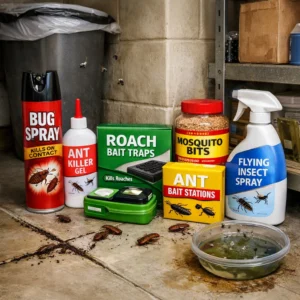
Understanding pest control chemicals can seem like navigating a maze of scientific terms, complex labels, and varying applications. With so many options available on the market, it’s crucial to demystify these chemicals and understand their uses, safety precautions, and how they fit into a well-rounded pest control plan. This article breaks down the common pest control chemicals, explaining their function in simple, “Plain English” terms, so you can make informed choices whether you’re a homeowner or a professional pest control technician.
We will cover everything from the active ingredients in common chemicals, how they work, and their safety guidelines, to understanding the more complex concepts like insect growth regulators (IGRs) and stealth chemicals. You’ll also find a glossary of terms, a comparison of chemical classes, and tools to help you safely manage pest control chemicals.
Table of Contents
ToggleWhat Are Pest Control Chemicals?
Pest control chemicals, also known as pesticides, are substances used to kill or repel pests such as insects, rodents, fungi, and weeds. These chemicals come in various formulations, such as sprays, baits, powders, and granules, and are designed for different types of pests and situations. The goal of pest control chemicals is not only to kill pests but also to stop future infestations from occurring.
However, understanding these chemicals requires more than just knowing their names. It’s important to know their active ingredients, how they affect pests, and the impact they have on the environment and human health.
A Glossary of Common Pest Control Chemicals
Below is a plain English glossary of common pest control chemicals, their active ingredients, and their typical uses:
-thrin Chemicals: Barrier and Knockdown Agents
The suffix “-thrin” is commonly found in chemicals used to control pests by affecting their nervous system. These chemicals are often used for barrier treatments (which create an invisible protective shield around your property) and knockdown agents (which immediately kill pests on contact). They are part of the Pyrethroid family, which is chemically similar to pyrethrins, naturally occurring insecticides found in chrysanthemum flowers.
Examples of -thrin chemicals include:
- Permethrin: Used to treat a wide variety of insects, including mosquitoes, cockroaches, and ants.
- Cyfluthrin: Often used in both residential and commercial pest control for bed bugs, termites, and fleas.
Inert Ingredients: Carriers and Surfactants
Inert ingredients are not necessarily inactive but are called “inert” because they don’t directly affect the pests. Instead, they help the active ingredients in pesticides work more effectively. These ingredients can act as carriers, solvents, or surfactants.
- Carriers: These are substances that carry the active ingredient and allow it to be spread more evenly. For example, talc or clay.
- Surfactants: Surfactants help the pesticide spread over surfaces more evenly by breaking down the surface tension of water. This allows the pesticide to cover more area and be absorbed by pests more effectively.
Neurotoxins vs. Physical Killers: Understanding Modes of Action
Understanding how pest control chemicals affect pests is essential for choosing the right product for the job. There are two primary modes of action for pest control chemicals:
Neurotoxins
Neurotoxins are chemicals that target the pest’s nervous system, causing paralysis or death. These chemicals interfere with nerve signals and disrupt the normal functioning of the pest’s body.
Examples of neurotoxic chemicals include:
- Pyrethroids: A class of neurotoxic chemicals, including chemicals like permethrin and cypermethrin, that work by affecting the nervous system of insects.
- Organophosphates: Chemicals like chlorpyrifos, which affect nerve function by inhibiting acetylcholinesterase, an enzyme important for nerve transmission.
Physical Killers: Diatomaceous Earth (DE)
Unlike neurotoxins, physical killers such as Diatomaceous Earth (DE) work mechanically rather than chemically. DE is a fine powder made from the fossilized remains of tiny aquatic organisms called diatoms. When pests like insects or rodents come into contact with DE, the sharp particles scratch and damage their exoskeletons or skin, leading to dehydration and death.
DE is non-toxic to humans and pets but can be abrasive to lungs if inhaled in large amounts. It is often used as a natural alternative in pest control.
Insect Growth Regulators (IGRs): Preventing Breeding
Insect Growth Regulators (IGRs) are a class of chemicals that do not kill adult insects but instead disrupt their development, preventing them from growing into mature adults or reproducing. IGRs target the hormones that insects need to molt and reproduce, effectively halting the life cycle without the immediate knockdown seen with neurotoxins.
Examples of IGRs include:
- Methoprene: Often used to control flea and cockroach populations by preventing larvae from maturing into adults.
- Pyriproxyfen: Commonly used for controlling pests like mosquitoes and fleas by disrupting their life cycle.
Stealth Chemicals: Non-Repellent Insecticides
Stealth chemicals are a type of pesticide that does not repel pests. Instead, these chemicals are non-repellent, meaning the pest cannot detect them. This makes them ideal for transferring the chemical to other pests in a colony or nest. Non-repellent chemicals are often used for long-lasting control, as the chemicals spread silently through the population.
One of the most commonly used stealth chemicals is Fipronil. Fipronil works by attacking the nervous system of insects, and because it’s undetectable to them, it’s carried back to the colony, which results in the gradual collapse of the entire group.
Safety and Environmental Considerations
While pest control chemicals are essential for effective pest management, it is important to handle them with care. Safety for humans, pets, and the environment should always be a priority. Here are key safety considerations to keep in mind:
- Follow the label: Always read and follow the instructions on the pesticide label. Misusing chemicals can lead to ineffective control or hazardous exposure.
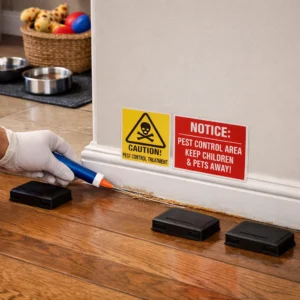
- Minimize exposure: Ensure that pets, children, and sensitive individuals are kept away from treated areas. Some chemicals require that you vacate the premises for a few hours after application.
- Environmental impact: Be aware of the potential impact of chemicals on pollinators like bees, birds, and other wildlife. Many modern pest control products are designed to minimize environmental damage, but it’s important to consider their use in outdoor spaces.
- Proper disposal: Dispose of pest control chemicals according to local regulations to prevent contamination of water sources or soil.
It is also important to ask pest control providers about the chemicals they use and whether eco-friendly, non-toxic, or organic alternatives are available. Many pest control companies now offer green options that target pests without posing a risk to people or the planet.
Comparing Pest Control Chemical Classes
Here’s a simple comparison of common chemical classes used in pest control, helping you understand their best applications and limitations:
| Class of Chemical | Common Ingredients | Use Case | Effect on Pests | Environmental Impact |
|---|---|---|---|---|
| Pyrethroids | Permethrin, Cypermethrin | Wide use for insects like cockroaches, ants, fleas | Neurotoxin, knockdown and barrier effect | Low to moderate impact, not toxic to mammals in small doses |
| Organophosphates | Chlorpyrifos, Malathion | Effective for cockroaches, flies, termites | Neurotoxin, strong effect on nerve transmission | Potentially harmful to wildlife and humans, high environmental risk |
| Insect Growth Regulators (IGRs) | Methoprene, Pyriproxyfen | Used for fleas, mosquitoes, cockroaches | Stops development of larvae, prevents reproduction | Minimal environmental impact, very targeted |
| Non-Repellent Insecticides | Fipronil, Imidacloprid | Used for termites, ants, cockroaches | Transferred to other pests in the colony | Low impact on mammals, can affect pollinators |
| Diatomaceous Earth (DE) | Amorphous silica | Effective for insects like bed bugs, cockroaches | Physically damages pest exoskeleton, causing dehydration | Non-toxic to humans and pets, but harmful if inhaled |
Tools to Help Choose the Right Pest Control Chemicals
Choosing the right pesticide can feel overwhelming, especially with all the options available. Fortunately, there are tools to help guide your decision:
- Chemical finder quiz: Some pest control services offer online tools that let you answer a few questions about the pest and the environment, helping them recommend the most appropriate chemicals.
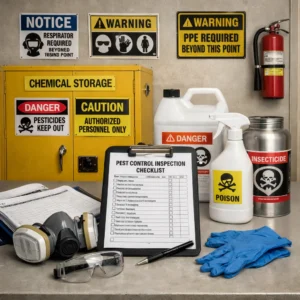
- Safety checklists: Downloadable checklists can help you stay compliant with safety guidelines and ensure proper handling and disposal.
Conclusion
Understanding pest control chemicals is key to making safe, effective decisions. By choosing the right chemical classes, following safety protocols, and using eco-friendly alternatives when possible, you can manage pest issues responsibly. Whether you’re tackling a minor problem or addressing a full infestation, knowing the right tools and chemicals will make all the difference in achieving long-term control without compromising health or the environment.