Pest control for rats becomes necessary when rat infestations begin to affect your health, safety, and property. Rats are highly adaptable, breed quickly, and can cause substantial damage to homes and businesses. The presence of rats is not always immediately obvious, but when they are active, they leave several clear signs that cannot be ignored.
This article will explain how to accurately identify a rat infestation, why certain behaviors indicate a more severe problem, and when it’s time to seek professional pest control for rats. You’ll also learn about immediate, practical steps to take, the limitations of DIY methods, and when expert help is the best course of action for long-term rat control.
Table of Contents
ToggleHow to identify a rat infestation
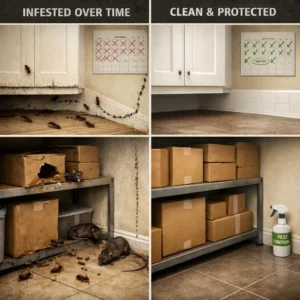
Rats are nocturnal creatures, so their activity often goes unnoticed during the day. However, there are several signs that indicate a rat infestation, and the sooner you notice them, the better the chances of controlling the problem before it worsens.
Clear signs of a rat infestation include:
- Droppings: Rat droppings are one of the most obvious signs. They are dark, cylindrical, and about 10–12mm in length. Finding droppings near food sources or entry points is a clear indication of rat activity.
- Gnaw marks: Rats gnaw on various materials, from wires to wood, plastic, and even insulation. If you notice fresh gnaw marks, it indicates that rats are actively chewing and can cause serious damage.
- Smear marks: Rats leave greasy smears along walls, pipes, or entry points as they travel. These marks are often left by their fur rubbing against the surface.
- Noises: Unusual scratching or scurrying sounds coming from walls, ceilings, or floors are signs of rats moving around at night. These noises are often louder in areas where rats have nested.
- Footprints: Rats may leave small, muddy footprints along pathways or in dusty areas. If you can see tracks in places where rats might travel, you’ve likely got an infestation.
If you spot rats during the day, it typically means the infestation is severe. Rats are usually nocturnal, so daytime activity often signals that the population has grown large enough to risk exposure during daylight hours.
Immediate steps to control rats in your home
When you first notice signs of a rat infestation, taking immediate action can help mitigate the problem. Here are practical steps to follow:
1. Rat-proofing your home
Rats can enter through tiny gaps and cracks. Seal any potential entry points by:
- Sealing cracks in walls, floors, and foundations
- Installing weatherstripping on doors and windows
- Repairing holes in ceilings, floors, and vents
- Blocking off gaps around pipes, utility cables, and vents
2. Sanitation and removing food sources
Rats are opportunistic feeders and will target any available food. To keep them at bay:
- Store food in sealed containers
- Clean up crumbs, grease, and food spills immediately
- Take out garbage regularly and use bins with tight-fitting lids
- Remove pet food and water dishes overnight
3. Trapping rats safely
If you see rats actively moving around, it’s time to set traps. Here’s how to trap rats effectively:
- Use snap traps or live traps—avoid glue traps, as they cause unnecessary suffering
- Place traps along walls where rats frequently travel
- Use bait such as peanut butter, cheese, or seeds
- Check traps daily and dispose of caught rats properly
It’s important to check traps regularly to avoid leaving a rat caught for too long, which can cause harm to the animal and create a foul odor.
The limitations of DIY pest control for rats
While basic rodent-proofing, sanitation, and trapping methods can help reduce the immediate presence of rats, they are often insufficient for larger or hidden infestations. DIY pest control for rats has several limitations:
- Rats breed rapidly: A small infestation can grow quickly. If you only catch a few rats, others are likely hiding in inaccessible areas.
- Intelligence: Rats are smart. They can learn to avoid traps, and they often adapt to the presence of poisons.
- Health risks: DIY methods often fail to address the health risks posed by rats. Rats carry diseases such as leptospirosis, hantavirus, and salmonella.
- Hidden nests: If you cannot access hidden areas like wall cavities or crawl spaces, the infestation will persist.
Because of these challenges, professional intervention is often necessary when the infestation is large, persistent, or involves inaccessible areas.
When is professional intervention necessary?
If DIY methods are ineffective, or the rat problem is spreading, it’s time to call in a professional pest control service. Expert pest control technicians can:
- Perform a thorough inspection to locate hidden nests and entry points
- Use advanced trapping and baiting methods
- Apply targeted rodenticides in appropriate locations
- Help with long-term prevention, including exclusion and habitat modification
- Address the health and safety concerns related to rats, including proper disposal and decontamination
Professional pest control for rats is often more efficient, as it addresses the entire problem, not just the visible pests. Technicians can access hidden areas, apply specialized treatments, and ensure that rats don’t return.
Safety considerations for families and pets
Rats carry diseases and pose serious health risks to families and pets. When handling rat infestations, safety is a top priority.
Professional pest control services use safe methods to minimize risk. This includes:
- Using non-toxic or low-toxicity treatments that are safe for pets
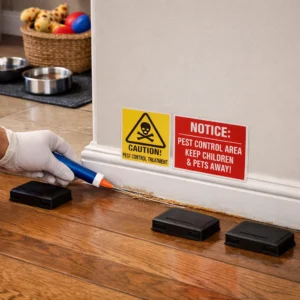
- Placing traps and baits in inaccessible areas to protect children and animals
- Ensuring safe disposal of rats and contaminated materials
- Giving families clear instructions on re-entry times and precautions
For homes with pets or small children, always ensure that your pest control provider uses safe and approved products.
Handling and disposing of rats and contaminated areas
Rats must be handled with care to avoid the spread of diseases and parasites. Once caught, they should be disposed of in a hygienic manner, either by professional pest control teams or using safe methods at home.
Contaminated areas such as rat nests or urine spots require proper cleaning. Cleaning should be done using gloves and disinfectants to ensure that harmful bacteria and viruses are removed. If you suspect contamination in certain areas of your home, professional pest control teams can help disinfect these spaces to prevent any further health risks.
Pricing for professional pest control for rats
The cost of professional pest control for rats varies based on several factors, including the severity of the infestation, the size of the property, and whether you need ongoing maintenance. Below are typical price ranges:
- Initial inspection: AED 100 to AED 300 depending on property size
- Rodent treatment for a 1-bedroom apartment: AED 150 to AED 250
- Rodent treatment for a 2–3-bedroom apartment: AED 250 to AED 400
- Commercial property rodent control: AED 350 to AED 600 based on area size and infestation severity
For ongoing treatment or preventive measures, prices can be higher, depending on the level of service provided. Professional services typically offer follow-up treatments or maintenance plans for an additional cost, usually in the range of AED 150 to AED 350 per visit.
These prices represent basic treatments. Final costs will be confirmed after a full inspection to assess the severity of the infestation and specific treatment needs. Always make sure to get a detailed quote before any treatment begins.
When should you call for help from professionals?
Signs that DIY efforts are not enough and professional help is needed include:
- Persistent signs of rat activity despite traps
- Rats are seen during the day, indicating a large infestation
- Damage to electrical wiring or insulation
- Health risks such as bites, diseases, or allergic reactions
- Inability to locate or access rat nests or breeding areas
When these issues arise, it’s crucial to get professional pest control involved as soon as possible. Left untreated, rats can cause significant damage and put your family’s health at serious risk.
Conclusion
Effective pest control for rats is not just about trapping the occasional rodent—it is about properly identifying the problem, understanding how rats behave, and using the correct treatments to prevent long-term damage and health issues. When DIY methods fail, professional intervention becomes the safer and smarter choice. Whether you are facing a small infestation or a large, hidden problem, early and thorough pest control will save you time, money, and frustration in the long run.