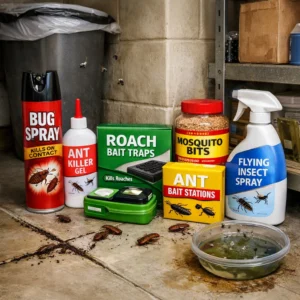
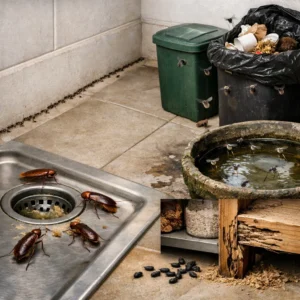
Pest control for office spaces is crucial for maintaining a productive, safe, and comfortable environment for employees. Offices, regardless of their size or location, are susceptible to pest problems, and it’s important to address these concerns quickly and professionally. The last thing a company wants is for an infestation to disrupt operations, damage property, or cause health issues. In this article, we will discuss the unique challenges of pest control in office environments, explore the importance of discrete and effective treatment, and offer practical solutions to prevent pests from becoming a recurring issue in the workplace.
Table of Contents
ToggleThe Need for Discreet Pest Control Services
In an office setting, pest control treatments must be discreet. Many employees may find it unsettling to know that pest control is being performed, especially if visible treatment methods or strong chemical odors are involved. For this reason, professional pest control providers typically offer after-hours services to ensure that employees are not disturbed during work hours.
Additionally, it’s important for pest control companies to use unmarked vehicles to maintain discretion. This minimizes the risk of creating a PR issue or alarming employees or clients who may be unaware of the treatment. Office pest control services should be designed to integrate seamlessly into a business’s daily operations, causing as little disruption as possible.
Low-Odor or VOC-Free Pest Control Options
In office environments, the quality of indoor air is a major concern. Many pest control treatments involve chemicals that can emit strong odors or volatile organic compounds (VOCs), which may negatively impact the health of employees. This is especially problematic in offices that house sensitive employees, such as those with respiratory conditions or allergies.
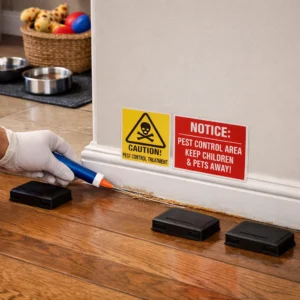
For this reason, choosing pest control methods that are low-odor or VOC-free is essential. Eco-friendly pest control options, such as gel baits or dusts, can be highly effective while keeping the office air clean and safe. These treatments not only eliminate pests but also reduce the potential for complaints related to air quality.
Office-Specific Pest Concerns
Offices present unique challenges when it comes to pest control. Unlike homes, offices tend to have a lot of electronic equipment and sensitive materials that must be protected during treatment. For example, using liquid sprays around electronic devices, such as computers or servers, can lead to damage or electrical issues. This makes it crucial for pest control providers to use more targeted methods such as gel baits or bait stations, which are not only safer but also more effective in controlling pests without affecting office equipment.
Silverfish and Paper Archives
Silverfish, a common pest in offices, are particularly problematic because they are known to damage paper materials. Silverfish thrive in humid environments and are attracted to paper, glue, and fabrics. In offices with paper archives, libraries, or file rooms, silverfish can cause significant damage to important documents, books, and files. This makes it even more crucial to implement preventative measures to protect valuable paper records from pests.
Integrated Pest Management (IPM): A Prevention-Focused Approach
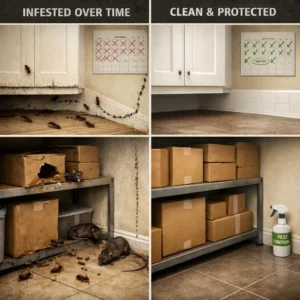
One of the most effective strategies for office pest control is Integrated Pest Management (IPM). IPM is a sustainable approach that focuses on preventing pests from becoming an issue in the first place. Rather than relying on constant chemical treatments, IPM combines multiple strategies to create a long-term solution for pest management. These strategies may include:
- Inspection: Regularly inspecting the office environment to detect early signs of pest activity.
- Exclusion: Sealing gaps and cracks in walls, doors, and windows to prevent pests from entering.
- Sanitation: Maintaining a clean office environment by removing food scraps, cleaning workstations, and properly storing food.
- Monitoring: Using traps or bait stations to monitor pest activity and ensure that infestations are detected early.
- Education: Informing employees about pest prevention and the importance of cleanliness to reduce pest attraction.
IPM not only helps in pest prevention but also minimizes the use of pesticides, making it safer for office workers, especially those with respiratory issues or allergies.
Maintaining Office Cleanliness to Reduce Pest Attraction
A clean office is a less inviting environment for pests. Implementing good housekeeping practices in the workplace can go a long way in preventing infestations. Key practices to follow include:
- Regularly wiping down surfaces, including desks, counters, and kitchen areas
- Cleaning up crumbs, food scraps, and spills immediately
- Storing food in airtight containers in kitchen areas
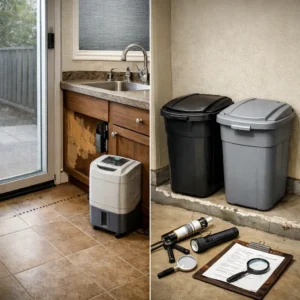
- Emptying trash cans daily to prevent food waste buildup
- Inspecting storage areas to ensure that food or materials are not attracting pests
Encouraging employees to follow these practices helps ensure that pests are not attracted to the office in the first place. Additionally, making sure that office waste is disposed of properly and regularly is crucial to preventing pests from gaining a foothold.
Liability and Documentation for Pest Control in Commercial Leases
In commercial leases, pest control is often a matter of liability. Business owners must ensure that their premises are free from pests to comply with health regulations and avoid legal issues. Depending on the lease agreement, the responsibility for pest control may fall on the landlord or the tenant. It is important for businesses to clarify who is responsible for pest control costs and maintenance, especially if an infestation occurs after the lease has been signed.
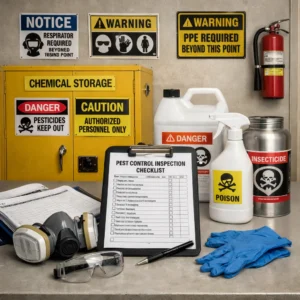
When pest control treatments are performed, documentation is essential for both the landlord and tenant. Service logs and Safety Data Sheets (SDS) are crucial for keeping a record of the treatments used, their effectiveness, and any follow-up actions required. This documentation also serves as proof that the business is maintaining a pest-free environment, which can be useful in case of disputes or inspections.
Communicating with Employees About Pest Control Treatments
Employee communication is an important aspect of pest control in offices. When treatments are scheduled, it’s crucial to notify employees in advance to minimize disruptions. Providing employees with information about the treatment schedule, safety measures, and potential temporary restrictions helps ensure that they are informed and comfortable with the process. It’s also important to address any concerns regarding safety, especially if pesticides are being used in common areas.
The Risks of DIY Pest Control in Offices
DIY pest control methods may seem like a cost-effective solution, but they often fail to address the root cause of the problem. Using off-the-shelf insecticides or traps can provide temporary relief, but they rarely offer long-term solutions. Moreover, DIY treatments can pose risks to office equipment, employee health, and the overall work environment. Incorrect pesticide use can lead to contamination, damage to sensitive electronics, and an increased risk of exposure to harmful chemicals.
In most cases, professional pest control services are the safer and more effective option. They not only ensure proper treatment but also provide ongoing monitoring and preventive measures to reduce the risk of future infestations.
The Growing Issue of Pests in Hybrid Work Environments
With the rise of hybrid work environments, offices are seeing a new set of pest-related challenges. Employees may spend less time at the office, leaving food items or waste unattended. Stagnant water in bathrooms, kitchens, or around AC units can attract drain flies, while unattended snacks or food waste can become a magnet for rodents. These small changes can quickly lead to an increase in pests, especially if pest control treatments are not maintained regularly.
Hybrid work environments present a unique opportunity for employers to implement better pest prevention strategies. Ensuring that employees know how to handle food waste, maintain clean workstations, and store personal items properly can help reduce the risk of pests entering the office in the first place.
Pricing Expectations for Pest Control in Offices
Pricing for pest control for offices depends on a variety of factors, including the type of pests, the size of the office, and the severity of the infestation. For basic treatments such as cockroach control, residential pricing typically starts at AED 119 for small offices or studio spaces. Larger offices may see prices starting at AED 179 for 1-2 bedroom office spaces.
More specialized treatments, such as for termites or rodent control, often come at higher costs. For example, termite treatments typically start at around AED 300 for small offices and can increase depending on the size of the building and the infestation severity. If your office has mold-related issues, mold control can start from AED 30 per meter for smaller areas.
For more accurate pricing tailored to your office, the best course of action is to contact a pest control provider for an inspection and customized quote. This ensures the treatment plan addresses your unique needs and avoids any unnecessary charges.
Follow-ups and Guarantees
After the initial pest control treatment, professional pest control services often offer follow-up visits to ensure the problem has been fully addressed. These follow-ups may include re-inspections, re-treatment, or additional measures if necessary. Some providers offer maintenance plans, especially for businesses that have high foot traffic or kitchens, which are more prone to pest issues.
Make sure the service provider offers realistic guarantees. A reputable pest control service will stand by its work and offer a reasonable follow-up period. This may include a guarantee that pests will not return for a certain period, or a promise to re-treat the area at no extra cost if the issue persists.
A Practical Next Step: Contact First Station Pest Control Services
If you are facing pest control issues in your office, it’s crucial to address them as soon as possible to prevent further damage, health risks, and employee dissatisfaction. First Station Pest Control Services offers professional, municipality-approved pest control solutions tailored to office environments. With discreet after-hours service, eco-friendly options, and guaranteed results, First Station can help keep your office safe and pest-free.
To discuss your needs, schedule an inspection, or get a customized quote, simply use the WhatsApp or Call button at the top of the page. A friendly representative will be happy to guide you through the best course of action for your office.
Conclusion
Pest control for offices is not just about removing visible pests—it’s about preventing future infestations, protecting the work environment, and ensuring compliance with health and safety regulations. By using professional services, opting for eco-friendly treatments, and maintaining a clean office, you can protect your business from the disruption pests cause. Trust First Station Pest Control Services to deliver safe, effective, and discreet pest control for your office, allowing you to focus on what matters most: your work.