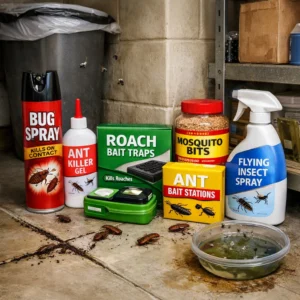
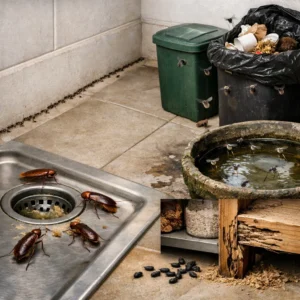
As pet owners, we all love our furry, feathered, or scaly friends, and the last thing we want is for them to be exposed to harmful chemicals, especially when we’re trying to protect our homes from pests. When searching for “pest control pet friendly” services, pet owners need to consider both the safety and effectiveness of the methods used. This post will guide you through safe pest control options that are suitable for homes with pets, clarify what makes pest control methods “pet-friendly,” and help you choose the right products to protect both your pets and your home.
Table of Contents
ToggleWhat is Pet-Friendly Pest Control?
Pet-friendly pest control refers to the use of methods and products that are safe for pets while still effectively controlling pests. It means minimizing or eliminating the risk of harm to your pets, whether through direct contact with pesticides, inhalation of fumes, or consumption of harmful substances. Understanding what qualifies as “pet-friendly” is important, as many pest control products contain chemicals that may be toxic to pets if not used properly.
In most cases, pet-friendly pest control methods are those that use non-toxic or low-toxicity products and focus on long-term prevention strategies like exclusion and cleaning. However, it is important to know that even pet-friendly products may not always be safe during the application process, especially before the product has dried or bonded to the surface.
Ingredients to Avoid in Pest Control Products
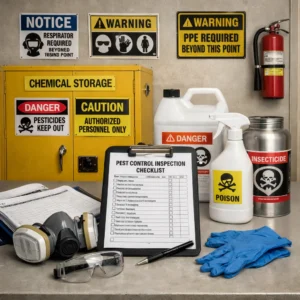
One of the main concerns when it comes to pest control and pets is the ingredients used in the products. Some chemicals used in pest control can be highly toxic to pets, especially if they come into direct contact with the substance. Understanding which ingredients to avoid will help keep your pets safe.
Organophosphates
Organophosphates are a class of chemicals commonly used in pest control products. They are highly toxic to both pests and pets. Exposure to organophosphates can cause symptoms such as vomiting, diarrhea, drooling, tremors, and in severe cases, death. It is important to choose pest control products that do not contain organophosphates, especially if you have pets in your home.
Pyrethroids
Pyrethroids are synthetic chemicals derived from natural pyrethrins found in chrysanthemums. While they are effective at killing pests, they can also be harmful to pets, especially cats. Pyrethroids can cause symptoms such as lethargy, tremors, and vomiting. Certain types of pyrethroids are even more dangerous to animals like cats, so it is crucial to choose pet-friendly products that are free from these chemicals.
Choking Hazards from Traps
Traps, such as mouse or rat traps, are commonly used to control pests, but they can pose a serious danger to pets. Dogs and cats are naturally curious and may attempt to investigate or play with the traps, leading to potential injuries or even death. To ensure pet safety, avoid traps that may harm pets or use enclosed, safer versions that are less accessible to your animals.
Pet-Friendly Pest Control: What Makes It Safe?
When searching for pet-friendly pest control, it’s important to choose methods that focus on minimizing harm to your pets while still being effective against pests. Here are some key factors to consider:
Drying and Bonding
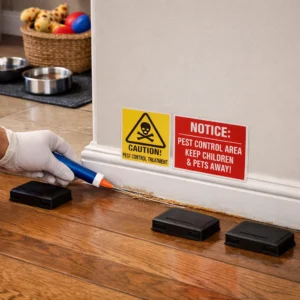
Most professional pest control products are safe for pets only after they have dried and bonded to the surfaces they were applied to. During the application process, pets should be kept out of the treated areas. It is important to follow the pest control company’s instructions regarding when it is safe for pets to re-enter the treated spaces. In general, it is advisable to wait until the surfaces are completely dry to minimize any exposure to harmful chemicals.
EPA-Exempt Products (25(b) FIFRA)
In the United States, pest control products that are labeled as EPA-exempt are considered safer for use around pets. These products are exempt from the registration requirements under Section 25(b) of the Federal Insecticide, Fungicide, and Rodenticide Act (FIFRA). This means they contain natural ingredients that are not harmful to pets, such as essential oils and plant-based substances. Look for pest control products labeled as EPA-exempt, which are often safer and less toxic for animals.
Natural vs. Synthetic Pest Control Solutions
Natural pest control solutions are often considered safer for pets, but they are not always as effective as synthetic products. While natural products may be effective for smaller infestations or preventive measures, synthetic products tend to offer stronger, more immediate results. The key is balancing effectiveness with safety. Here’s a comparison:
- Cedarwood Oil: Cedarwood oil is often used in pest control products due to its natural insect-repellent properties. It’s generally safe for pets but may cause skin irritation for sensitive animals. Always dilute it before use.
- Diatomaceous Earth: Diatomaceous earth is a natural powder made from the fossilized remains of aquatic organisms. It is non-toxic to pets but can cause respiratory issues if inhaled. Use it cautiously and apply it only in areas where pets are not likely to come into direct contact.
- Synthetic Pesticides: Synthetic pesticides are highly effective but can be toxic to pets. If you choose a synthetic product, make sure it is labeled as safe for pets after drying, and avoid products with organophosphates or pyrethroids.
Choosing the right pest control solution depends on the severity of the infestation and your pets’ sensitivity to certain chemicals. Always consult with pest control experts and consider eco-friendly or non-toxic options when possible.
Room-by-Room Safety Protocol for Pet-Friendly Pest Control
Pet owners should take precautions to protect their animals during the pest control process. Here’s a room-by-room safety protocol to minimize exposure:
Preparation
- Keep pets out of treated areas until it is safe to return. Follow the pest control service’s guidelines regarding re-entry times.
- Move pet food, water bowls, and bedding to another room before treatment.
- If your pets are in cages or pens, move them to another safe area during treatment.
Application
- Only use pet-safe products during the application process. Ensure the pest control company uses non-toxic, approved products.
- Limit pet access to the treated areas. If you must leave, make sure your pets are kept in a safe room or outside the house until the application is complete.
Post-Care
- Ensure that surfaces are fully dry before allowing pets to return to the treated areas.
- Once the treatment has dried, ventilate the space to reduce any lingering fumes or odors that may irritate your pet’s respiratory system.
- Regularly clean your home to remove any pest remnants, and maintain a pet-friendly environment by focusing on prevention.
For sensitive animals, such as birds or fish, additional care should be taken to ensure they are not exposed to the pest control products. Birds, in particular, are highly sensitive to airborne chemicals, so ensure the room is well-ventilated before allowing them back in.
Proactive, Non-Chemical Solutions
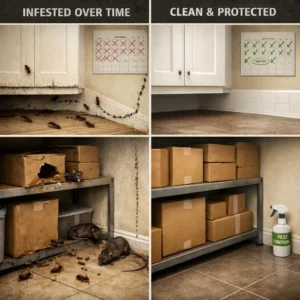
While chemical pest control solutions are effective, proactive, non-chemical methods are often the safest way to manage pests in a pet-friendly environment. These strategies help reduce the need for chemical treatments and create a pest-free environment without risk to your pets.
Non-chemical pest control strategies include:
- Exclusion: Seal gaps, cracks, and entry points around windows, doors, and vents to prevent pests from entering the home.
- Regular pet grooming: Groom pets frequently to prevent pests like fleas and ticks from settling on their fur.
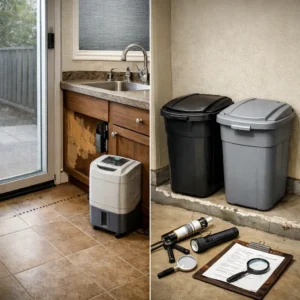
- Proper waste disposal: Make sure to dispose of pet waste and trash promptly to prevent attracting pests like flies and rodents.
- Keeping your home clean: Regularly vacuum carpets, floors, and furniture to remove food crumbs and other attractants for pests.
- Environmental management: Reduce moisture around the house by fixing leaks, drying damp areas, and ensuring proper ventilation in bathrooms and kitchens.
These simple steps, combined with professional pest control when needed, can help maintain a pet-friendly, pest-free home.
Vet-Approved Checklist for Pet-Friendly Pest Control
To help ensure your pets’ safety during pest control treatment, here’s a simple vet-approved checklist:
- Is the pest control company licensed and municipality-approved?
- Does the pest control provider use non-toxic, pet-safe products?
- Are all chemicals used in the treatment safe for animals after drying?
- Does the provider offer eco-friendly or low-toxicity options?
- Have the pets been kept away from the treated areas during application?
- Has the space been ventilated adequately before pets are allowed to return?
Always consult your veterinarian before deciding on pest control methods if your pet has pre-existing health conditions.
Conclusion
Pest control in homes with pets is possible without compromising your pets’ health or safety. By choosing pet-friendly pest control methods, using safe products, and following proper protocols, you can protect your home from pests while ensuring your pets remain safe and comfortable. Understanding the risks of different chemicals, being proactive in preventing infestations, and working with licensed pest control providers ensures a long-term solution for both your home and your pets.