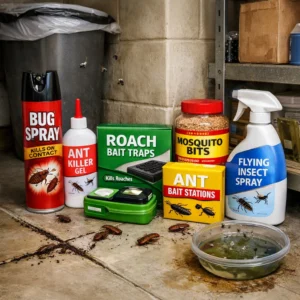
If you’re serious about pest control, it’s time to consider upgrading from basic handheld sprayers to a more durable, semi-professional tool. A pest control pump is one of the best investments you can make for more efficient and thorough pest management. While handheld sprayers are great for small tasks, a pump sprayer is ideal for larger areas, tougher infestations, and a more controlled application of pesticides.
This article will guide you through the key factors to consider when buying a pest control pump, the components that make up a good pump, maintenance tips, and a comparison of different types of pumps—handheld, backpack, and stainless steel. With proper maintenance, your pest control pump will provide long-lasting and efficient service, making your pest control tasks easier and more effective.
Table of Contents
ToggleWhat to Consider When Buying a Pest Control Pump
Investing in a high-quality pest control pump is essential to ensure effectiveness, durability, and safety. Below are the key factors you should consider when purchasing a pump:
1. Material Quality
The material used in the construction of the pump determines its durability and resistance to corrosion from chemicals. The two most common materials used for pest control pumps are polyethylene and stainless steel.
- Polyethylene: Polyethylene pumps are lightweight and generally more affordable. They are resistant to a wide range of chemicals and are ideal for residential use or small-scale commercial applications. However, they can be less durable than stainless steel, especially when exposed to harsh chemicals over time.
- Stainless Steel: Stainless steel pumps are more durable and resistant to corrosion, making them a better option for professional-grade pest control tasks. They are more expensive, but they offer superior longevity and resistance to damage caused by aggressive pesticides.
2. Seal Durability (Viton™ Seals)
One of the most important features of any pest control pump is its sealing system. The seals prevent leaks and ensure that the chemicals in the pump do not escape, posing a risk to users or the environment. Pumps with Viton™ seals are considered the gold standard because of their high chemical resistance and durability. These seals are especially important for heavy-duty pumps used with harsh chemicals such as pesticides, herbicides, and disinfectants.
Make sure the pump you choose has Viton™ seals to ensure maximum efficiency and safety during use.
3. Safety Features
Safety is a top priority when handling chemicals. Look for pumps that come equipped with the following safety features:
- Pressure Relief Valve: This feature prevents the pump from building up excessive pressure, which can lead to leaks or damage. The pressure relief valve ensures that the pump operates safely at all times.
- Ergonomic Handles: Comfortable handles reduce strain on the user’s hands and wrists, making it easier to use the pump for extended periods.
- Locking Mechanism: Some pumps include a locking mechanism to prevent accidental spraying or leakage while the pump is in storage.
Safety features not only ensure proper use but also contribute to the longevity of the pump itself.
Understanding the Components of a Pest Control Pump
To make the most out of your pest control pump, it’s important to understand its various components and how they work together. Here’s a breakdown of the key parts:
1. The Tank
The tank is the main body of the pump, where the pesticide or chemical solution is stored. Tanks come in a variety of sizes, ranging from small handheld models (5–10 liters) to larger backpack and wheeled models (20–30 liters). The size of the tank depends on the area you need to treat and the frequency of use.
2. The Wand
The wand is the long tube through which the pesticide is sprayed. It allows you to apply the solution at a distance and reach areas that are hard to access. A good wand should be lightweight yet durable, as it is exposed to constant pressure and chemicals.
Look for a wand that is comfortable to hold and long enough to reach all areas you need to treat without straining your back or arms.
3. The Nozzle
The nozzle is where the pesticide is released. It is crucial for controlling the spray pattern and ensuring even application. Different types of nozzles offer various spray patterns, such as:
- Fan Spray: This nozzle creates a wide spray pattern, ideal for covering large areas quickly. It’s best for general pest control, such as spraying for insects on walls or outdoor spaces.
- Pin Stream: This nozzle creates a more concentrated spray, which is useful for targeting specific areas, such as cracks and crevices where pests like to hide.
4. The Pump Mechanism
The pump mechanism is what builds up the pressure needed to release the pesticide from the tank. It consists of a piston or diaphragm that pushes the solution through the hose and nozzle. A reliable pump mechanism ensures consistent pressure for optimal spray coverage.
5. The Hose
The hose connects the tank to the wand and nozzle. It should be flexible yet durable enough to withstand high pressure and exposure to chemicals. Look for hoses made of high-quality materials that are resistant to cracking and wear over time.
Different Types of Pest Control Pumps
There are several types of pest control pumps, each suited for different applications. Here’s a quick overview of the most common types:
1. Handheld Pumps
Handheld pumps are small, lightweight, and ideal for small-scale pest control tasks. They are perfect for home gardens, small outdoor areas, or occasional indoor pest control. Handheld pumps typically have a capacity of 5–10 liters, making them easy to carry and maneuver.
2. Backpack Pumps
Backpack pumps are more suited for larger areas or commercial pest control. These pumps have larger tanks (15–30 liters) and come with adjustable straps, allowing you to carry them on your back. Backpack pumps are often used for treating larger gardens, farms, warehouses, and other commercial spaces.
3. Stainless Steel Pumps
Stainless steel pumps are designed for heavy-duty applications. They are highly durable, resistant to corrosion, and suitable for aggressive chemicals. These pumps are ideal for professional pest control services and commercial environments where regular use is expected.
How to Maintain Your Pest Control Pump
Proper maintenance is essential to extend the life of your pest control pump and keep it functioning at its best. Here are some key maintenance tips:
1. The Triple-Rinse Method
After each use, rinse the pump thoroughly to remove any remaining chemicals. The “Triple-Rinse Method” is recommended:
- First, rinse the tank with clean water to remove any pesticide residue.
- Second, fill the tank with clean water and pump it through the wand to flush out any remaining solution in the hose.
- Finally, rinse the tank and wand once more to ensure all chemicals are removed.
Performing this rinse after every use prevents clogging and ensures that your pump remains in good condition for longer.
2. Lubrication
Lubricating the pump parts, especially the piston and seals, helps keep the pump mechanism running smoothly. Use a silicone-based lubricant, as it won’t interfere with the chemicals you’re using.
3. Winterization
If you live in an area where the weather gets cold, it’s important to winterize your pump to prevent the liquid inside from freezing and causing damage. To winterize, clean the pump thoroughly, remove any remaining liquid, and store it in a dry, temperature-controlled environment.
Common Troubleshooting for Pest Control Pumps
Even with proper maintenance, you might occasionally encounter issues with your pest control pump. Here are some common problems and how to troubleshoot them:
1. Low Pressure
If the pressure seems low, check the following:
- Ensure the tank is filled properly and the nozzle is not clogged.
- Check the seals and O-rings for wear and replace them if necessary.
- Inspect the hose for cracks or blockages.
2. Clogged Nozzle
A clogged nozzle is one of the most common issues. Clean the nozzle by removing any debris or chemical buildup. Use a needle or small brush to carefully clean the nozzle, and test it again.
3. Leaking Pump
If the pump is leaking, check the seals and O-rings for damage. Replace any worn parts and ensure that the pump is assembled correctly.
Conclusion
Investing in the right pest control pump can make a significant difference in how efficiently and effectively you manage pest problems. Whether you’re looking for a lightweight handheld pump, a more robust backpack model, or a heavy-duty stainless steel pump, understanding the key components, maintenance needs, and troubleshooting tips ensures you get the best performance from your equipment.
By choosing the right pump, performing regular maintenance, and following best practices, you’ll be able to control pest infestations more effectively, ensuring your environment remains safe and pest-free. A good pest control pump can be a reliable ally for both homeowners and professional pest control services alike.