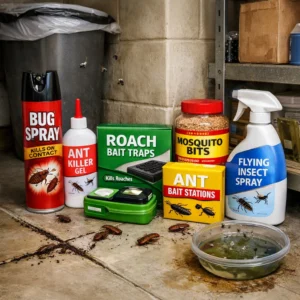
Pest control liquid is one of the most effective ways to manage pest problems in homes and businesses. It offers a versatile solution that can be applied in various environments and can tackle a wide range of pests. Understanding how to use pest control liquids properly can save both time and money while ensuring effective results. In this article, we will dive into the cost benefits of concentrates over aerosol cans, provide a cheat sheet for dilution ratios, discuss the proper use of tank sprayers, introduce key active ingredients, and explore the environmental considerations associated with pest control liquids.
Table of Contents
ToggleThe Cost Benefits of Pest Control Liquids: Concentrates vs. Aerosol Cans
When choosing a pest control solution, the cost is an important factor to consider. While aerosol cans may seem convenient, they are often more expensive in the long run due to the limited amount of product in each can. On the other hand, concentrated pest control liquids offer a much more cost-effective option.
A typical aerosol can of pest control spray may cost around $10, but it only lasts for a few minutes of application. In comparison, a bottle of pest control concentrate may cost around $40, but it can make more than 20 gallons of solution. This means that concentrates provide much better value for money, especially for larger infestations or routine maintenance.
Here’s a quick cost breakdown:
- Aerosol Can: $10 for 16 ounces (lasts a few minutes)
- Concentrate Bottle: $40 for 32 ounces (makes 20+ gallons of product)
Clearly, the cost per gallon of concentrate is significantly lower than the cost per application of aerosol cans, making it the better choice for long-term pest control.
Dilution Ratios: A Cheat Sheet for Effective Application
One of the key benefits of pest control concentrates is the ability to dilute the product to the appropriate strength based on the severity of the infestation. Too much concentrate can lead to waste and may be harmful to the environment, while too little may not be effective in controlling pests.
Here’s a simple cheat sheet for dilution ratios:
- 1 oz per gallon: Maintenance applications for light infestations
- 2 oz per gallon: Heavy infestations or larger areas
- 3 oz per gallon: Severe pest problems or outdoor applications
Be sure to always follow the recommended dilution ratio on the product label for the best results. Mixing the right concentration ensures you are using the product efficiently and safely.
Mixing Tips for Pest Control Liquids
Proper mixing is crucial when working with pest control liquids. Incorrect dilution or improper application can lead to ineffective results or unnecessary harm to the environment. Here are a few tips to ensure you mix and apply your pest control liquid correctly:
- Use clean water: Always mix pest control liquid with clean, cool water to ensure it dissolves fully.
- Follow the label instructions: Always read and follow the manufacturer’s instructions regarding dilution ratios and mixing guidelines.
- Stir or shake the mixture: Stir the mixture or shake the tank sprayer to ensure the concentrate is evenly distributed.
- Use the right equipment: For larger areas, use a tank sprayer with an adjustable nozzle to control the application pressure and ensure even coverage.
- Avoid over-mixing: Don’t mix more solution than you can use in a single application to avoid waste.
By following these mixing tips, you can make sure your pest control liquid is applied effectively and safely.
Understanding Tank Sprayers and Their Proper Use
When applying pest control liquids, using the right equipment is just as important as using the right product. A tank sprayer is one of the most commonly used tools for pest control liquid application. It allows for a more controlled and even application across a variety of surfaces and areas.
Here’s how to use tank sprayers properly:
Pressure Control
One of the key factors in achieving an even application is controlling the pressure. Too much pressure can result in overspray, leading to waste and potential environmental harm. On the other hand, too little pressure may result in uneven coverage and ineffective pest control.
Always use the sprayer’s pressure settings according to the manufacturer’s recommendations. Typically, for most pest control liquids, a medium pressure setting is ideal for getting the right coverage without wasting the product.
Cleaning the Sprayer
Proper cleaning of your tank sprayer is essential for maintaining its effectiveness and ensuring that no residual chemicals contaminate your next application. After every use, rinse the sprayer thoroughly with clean water to remove any leftover solution. Let it dry completely before storing it to avoid corrosion or clogging.
Key Active Ingredients in Pest Control Liquids
One of the biggest advantages of using pest control liquids is the ability to choose from a wide range of products that contain different active ingredients. Each ingredient has specific strengths when dealing with different types of pests. Below, we’ve highlighted some of the most common active ingredients found in pest control liquids:
| Active Ingredient | Pest Control Function | Common Pests Treated |
|---|---|---|
| Bifenthrin | Insecticide that works by attacking the nervous system of insects | Cockroaches, ants, termites, fleas, spiders |
| Fipronil | Broad-spectrum insecticide that works by affecting the central nervous system of pests | Ants, termites, cockroaches, fleas, ticks |
| Cypermethrin | Fast-acting insecticide that paralyzes pests by affecting their nervous system | Flies, mosquitoes, ants, cockroaches, beetles |
These active ingredients are often combined with other chemicals to create products that target specific pests. When selecting pest control liquid, make sure to check the active ingredients and ensure they’re effective for your needs.
Repellents vs. Non-Repellents: Which Is Better for Your Pest Control?
There are two main categories of pest control liquids: repellents and non-repellents. Both serve different purposes, and it’s important to understand the difference to make the right choice for your pest problem.
Repellents
Repellents work by making an area unattractive or uncomfortable for pests. These products drive pests away from treated areas, but they don’t necessarily kill them. They’re ideal for preventing infestations in areas where pests are not yet present, such as around windows, doors, and other entry points.
Non-Repellents
Non-repellent pest control liquids, on the other hand, do not drive pests away but instead attract them to the treated areas. Once the pests come into contact with the treatment, they are either killed immediately or carry the solution back to their nests, affecting other pests. These are often used for ongoing infestations.
For example, non-repellents like Bifenthrin and Fipronil are commonly used to deal with existing infestations, especially when dealing with ants, cockroaches, or termites.
Environmental Considerations and Responsible Pest Control
While pest control liquids are highly effective, they must be used responsibly to avoid harming the environment. Here are some key considerations:
- Avoid spraying before rain: Pest control liquids should not be applied right before rain as it can wash away the chemicals and reduce effectiveness.
- Protect pollinators: Bees and other pollinators can be affected by pesticides, so it’s important to avoid spraying in areas where pollinators are active.
- Follow application guidelines: Always follow the manufacturer’s guidelines to ensure you’re applying the correct amount in the right areas.
- Use eco-friendly options when available: Many modern pest control liquids offer eco-friendly alternatives that reduce risks to non-target species.
Conclusion: Effective, Safe, and Eco-Friendly Pest Control
Pest control liquids are a powerful tool for keeping homes and businesses free from unwanted pests. Understanding the different types of products, how to mix and apply them correctly, and knowing the safety and environmental considerations will help you use these products effectively and responsibly. By investing in professional pest control solutions and choosing the right products for your needs, you can ensure that your pest problems are handled efficiently while minimizing health risks and environmental impact.