Pest control machines have become a popular choice for many homeowners and business owners looking for an efficient way to deal with pests. Whether it’s an ultrasonic device, a thermal fogger, or a CO2 trap, these machines claim to provide a quick and reliable solution to pest infestations. But before investing in one, it’s important to understand how these machines work, their limitations, and whether they are truly the right choice for your specific pest problem.
This article will explore various types of pest control machines, discuss their effectiveness based on target pests, and provide an in-depth comparison between DIY pest control machines and professional services. We’ll also address safety concerns, including how to keep pets and children safe, and the advantages of using non-toxic methods. Additionally, we’ll look at the longevity and maintenance requirements of these devices, along with troubleshooting tips to enhance the user experience.
Table of Contents
ToggleThe Science Behind Pest Control Machines
One of the biggest concerns people have when it comes to pest control machines is whether they actually work. Many of these devices promise results, but their effectiveness often depends on the pest type, infestation severity, and the correct usage of the machine. Let’s break down the science behind some of the most popular pest control machines:
Ultrasonic Pest Repellers
Ultrasonic pest repellers are one of the most commonly used pest control devices. They work by emitting high-frequency sound waves that are unpleasant or disturbing to pests such as rodents, mosquitoes, and insects. The idea is that these sounds interfere with the pest’s ability to communicate, navigate, or feed, which drives them away from the area.
While ultrasonic devices are generally effective for pests like rats, mice, and some insects, they are not a one-size-fits-all solution. Their range is limited by walls, furniture, and other obstructions, which means they may not work as effectively in large, open spaces. Additionally, ultrasonic machines may not affect all pests in the same way—termites, for example, are not deterred by sound waves.
Thermal Foggers
Thermal foggers are used for large-scale pest control, particularly for insects like mosquitoes, fleas, and flies. These machines generate a fine mist or fog made of insecticide or repellent, which spreads over a large area to target pests. Thermal foggers are especially useful in outdoor areas like gardens, yards, or open spaces where pests are commonly found.
Thermal foggers are highly effective in killing pests upon contact, but they require careful handling. Since they use chemicals, it’s important to ensure that the chemicals used are non-toxic to pets and humans or that the area is properly ventilated after treatment. Overuse or incorrect application can also lead to environmental harm, so they should be used cautiously and in accordance with manufacturer instructions.
CO2 Traps
CO2 traps are commonly used for mosquitoes, particularly in areas where mosquitoes breed in large numbers. These machines use carbon dioxide to attract mosquitoes, mimicking the breath of humans or animals. Once the mosquitoes approach the trap, they are sucked into a collection chamber and trapped, preventing them from returning to the environment.
While CO2 traps are highly effective for controlling mosquito populations, they do not target other pests, such as rodents or termites. Additionally, the effectiveness of CO2 traps may vary based on location, as environmental factors like wind or humidity can influence how well the trap works.
Comparing DIY Pest Control Machines vs. Professional Services
One of the main reasons people turn to pest control machines is to avoid the cost of professional pest control services. While machines can be a cost-effective option for some pest problems, it’s important to understand the differences in pricing and results.
DIY Pest Control Machine Costs
DIY pest control machines are generally less expensive than hiring a professional pest control service. Below is an approximate cost range for common pest control machines:
| Type of Machine | Cost Range (AED) | Target Pests |
|---|---|---|
| Ultrasonic Repellers | 100–500 AED | Rodents, mosquitoes, insects |
| Thermal Foggers | 400–2,000 AED | Mosquitoes, flies, fleas |
| CO2 Traps | 200–800 AED | Mosquitoes |
| Electric Fly Killers | 100–600 AED | Flies, moths |
These devices have the advantage of a one-time purchase cost and the ability to be used whenever needed. However, they also have limitations, including limited coverage areas, reduced efficacy against specific pests, and the need for frequent maintenance and monitoring.
Professional Pest Control Services
Professional pest control services, on the other hand, offer a broader range of pest solutions, including chemical, biological, and mechanical methods. These services are often tailored to your specific pest problem and provide guaranteed results.
The pricing for professional pest control services varies depending on the type of pest and the size of the property being treated. Here’s a general pricing guide:
| Service | Cost Range (AED) |
|---|---|
| Cockroach Control | 119–287 AED |
| Bed Bug Control | 119–287 AED |
| Rodent Control | 79–219 AED |
| Termite Control | 300–1300 AED |
| Mosquito Control | 119–287 AED |
While professional services are more expensive upfront, they typically offer guaranteed results, follow-up visits, and advice on prevention. Additionally, professionals use highly effective methods tailored to specific pests and provide longer-term solutions that DIY machines cannot offer.
Safety Concerns: Pet and Child Safety in Pest Control
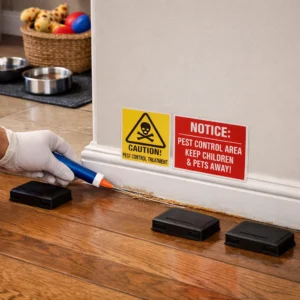
One of the biggest concerns with pest control treatments—whether DIY machines or professional services—is the safety of pets and children. Many traditional pest control methods involve chemicals that can be harmful if not handled properly. However, non-toxic and eco-friendly options are becoming more widely available.
For machines like ultrasonic repellers, the safety of pets and children is generally not an issue since these devices emit sound waves that do not harm humans or animals. However, thermal foggers and CO2 traps use chemicals that may require precautions to ensure safety.
When using foggers or chemical treatments, always follow the manufacturer’s guidelines regarding re-entry times and ventilation. Professional pest control services in Sharjah often offer eco-friendly treatments using low-toxicity products, reducing the potential risks to pets, children, and the environment.
Machine Maintenance and Longevity
While pest control machines can be an effective solution, they require regular maintenance to ensure optimal performance. Here are some common maintenance tasks:
- For ultrasonic devices, ensure they are placed in areas with minimal obstruction. Battery-operated models may need periodic battery replacement.
- For thermal foggers, clean the nozzle regularly to prevent clogging. Ensure the machine is used in well-ventilated areas and follow safety guidelines regarding fuel storage.
- CO2 traps need regular cleaning of the collection chamber, and the CO2 canister must be replaced periodically.
Proper maintenance extends the life of the machine and ensures consistent results. If a machine is not performing as expected, check the maintenance instructions or consult with the manufacturer for troubleshooting tips.
Real-World Scenarios: Case Studies and Common Mistakes
Many people purchase pest control machines with high hopes, only to be disappointed when the machines don’t work as expected. Here are some real-world scenarios:
Case Study 1: Mosquito Infestation
A family in Sharjah purchased a CO2 trap for mosquito control. While the trap did capture many mosquitoes, the infestation persisted in other areas. After a professional inspection, it was discovered that the mosquitoes were breeding in a nearby water source outside the home. The family had neglected to treat the breeding grounds, which led to the continuous cycle of mosquito activity.
Case Study 2: Rodent Control with Ultrasonic Repellers
A business in Sharjah tried ultrasonic repellers to deal with a rodent problem in their warehouse. The devices worked initially, but after a few months, the rodents returned. It turned out that the ultrasonic waves were unable to penetrate thick walls and large shelving units, limiting the effectiveness of the repellers.
These case studies highlight that while pest control machines can work for certain pests, they may not always provide a complete solution. For more complex infestations, professional pest control services that assess the root cause and offer tailored treatment are often more effective.
Conclusion: Is a Pest Control Machine Right for You?
Pest control machines offer a convenient, DIY approach to managing certain pest problems, but they come with limitations. For specific pests like mosquitoes, rodents, and insects, machines can provide a degree of control. However, for more serious or widespread infestations, professional pest control services are often the smarter and safer choice.
When deciding whether to invest in a pest control machine or hire a professional service, consider factors such as the pest type, infestation size, treatment effectiveness, safety, and long-term results. If you are unsure, consulting a professional will help you make an informed decision and ensure your home or business remains pest-free.