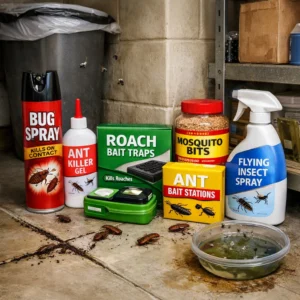
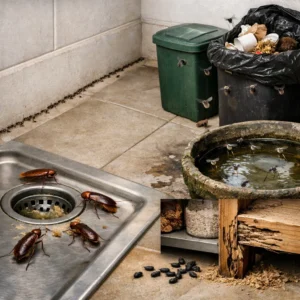
Finding good pest control services can be a daunting task, especially when faced with the anxiety of dealing with an infestation. Whether you’re trying to remove a few ants, eradicate bed bugs, or handle a larger issue like termites, the key to a successful and lasting solution lies in selecting the right provider. This article will guide you through the process of vetting pest control services and help you make an informed decision that will ultimately save time, money, and stress.
Table of Contents
ToggleWhat Makes a Pest Control Service “Good”?
Good pest control services are more than just a quick fix. They focus on identifying the root causes of the pest problem, using the right treatment methods, and providing long-term prevention. Choosing the right pest control company is crucial, not only for the immediate treatment of your home or business but also to ensure that the problem doesn’t return. Below, we’ll break down the most important factors to consider when hiring a pest control provider.
1. Licensing and Insurance: The Foundation of a Good Pest Control Service
Before engaging any pest control service, the first thing you should check is whether the company is licensed and insured. Licensing ensures that the provider has met local or national standards, while insurance protects you from liability in case of accidents or damage during the treatment process.
In many regions, pest control services must be licensed by the government or a regulatory body. This ensures that the company adheres to health and safety regulations, uses appropriate treatment methods, and employs trained technicians. Always ask to see a company’s license and verify its legitimacy with local authorities if you’re unsure.
Insurance is equally important because pest control treatments sometimes involve chemicals that could cause damage to your property or injure someone. A reputable company will carry both liability and workers’ compensation insurance to cover these potential risks.
2. Free Inspection vs. Sales Pitch: What’s the Difference?
One of the most common points of confusion for homeowners is understanding the difference between a free inspection and a sales pitch. Many pest control companies offer free inspections, which may seem like a great deal. However, it’s important to understand what’s actually being offered during this “free” inspection.
A legitimate free inspection should involve a thorough assessment of your property to identify the types of pests, the extent of the infestation, and potential entry points. The inspector should take their time, ask questions, and explain their findings to you. You should walk away with a clear understanding of what needs to be done, how much it will cost, and what treatment options are available.
On the other hand, if the inspection feels rushed, or the technician immediately starts pushing expensive treatments without offering a detailed explanation, it could be a sign of a sales-driven pitch. This is where many companies fall into unethical practices, offering unnecessary services or treatments at inflated prices.
Be cautious if you feel pressured to make a decision during the inspection or if they provide an overly general quote. A good pest control company will provide transparency, allowing you to make an informed decision without feeling rushed or manipulated.
3. Pricing Transparency: Initial Costs vs. Ongoing Maintenance
When selecting a pest control provider, understanding pricing is crucial. It’s important to ask about both the initial treatment cost and any ongoing maintenance fees, as well as any other hidden charges that could arise during the course of service. Some companies may quote a low price for the first visit but charge significantly more for follow-up visits or monthly maintenance.
Ask for a clear, written estimate that includes all costs. This should cover:
- Initial inspection and treatment
- Follow-up visits or maintenance (if applicable)
- Any guarantees or warranties offered
- Costs for re-treatment if necessary
It’s also important to inquire about payment structures. Some companies offer a flat fee, while others may have a tiered pricing system based on the size of the property or the severity of the infestation. Ensure you understand the total price before signing any contracts.
Finally, read the fine print in any contract or guarantee. A good pest control company will offer a clear guarantee for their work, often promising to return if the issue isn’t fully resolved within a certain time frame. Make sure that this guarantee is written into the contract and that you know what steps to take if the pests return.
4. Generalist vs. Specialized Services: Choosing What’s Right for You
When looking for good pest control services, you’ll come across both generalist providers and specialists. Generalist pest control companies handle a wide range of pest issues, from ants and cockroaches to rodents and mosquitoes. While these companies can provide a quick solution for common pests, they may not have the expertise needed to deal with more specialized problems like termites, bed bugs, or mold-related pests.
On the other hand, specialized pest control providers focus on specific pests or types of infestations. For example, a termite control expert will have the knowledge, equipment, and methods needed to address the unique behaviors of termites, including how to treat infestations that can damage the structure of your home.
Choosing between a generalist and a specialized service depends on the problem you’re facing. If you’re dealing with a common pest, a generalist company may be the right choice. However, for more complex issues such as termite damage or a bed bug infestation, it’s worth investing in a specialized provider who can provide tailored treatment.
5. “Red Flags” for Pest Control Technicians: What to Watch Out For
Even with the best of intentions, some pest control companies may not provide the level of service you expect. Here are some red flags to look out for when dealing with pest control technicians:
- Lack of a thorough inspection: A technician should never rush through an inspection. If they don’t take the time to examine all areas of the property, it could mean they’re skipping over critical issues.
- Unclear or vague pricing: Be wary of quotes that seem unusually low or high without clear justification. Always ask for an itemized breakdown.
- High-pressure sales tactics: If a technician insists you sign a contract or buy additional services on the spot, it’s a red flag. A good technician will discuss your options, not push unnecessary treatments.
- Inconsistent communication: If the company is hard to reach or doesn’t follow up after treatment, it’s a sign of poor customer service.
- Failure to provide a written guarantee: A reputable pest control company will stand behind their work with a clear, written guarantee.
6. Questions to Ask When Hiring Pest Control Services
When evaluating potential pest control companies, it’s important to ask the right questions to ensure they’re the right fit for your needs. Here are some essential questions to ask:
- Are you licensed and insured?
- What types of pests do you specialize in?
- Can you provide a written estimate that includes all costs?
- How do you determine the type of treatment needed for my property?
- What is your warranty or guarantee policy for treatments?
- What is the expected timeline for resolving my pest problem?
- Do you use eco-friendly or low-toxicity treatment options?
- How do you ensure safety for pets and children during and after treatment?
- What steps should I take to prepare my home or business for treatment?
- Do you offer follow-up visits if the pests return?
These questions will help you evaluate whether a company is trustworthy, experienced, and transparent in their approach.
7. Local vs. National Pest Control Providers: Which Should You Choose?
In your search for good pest control services, you may encounter both local and national providers. Both options have their pros and cons, depending on your specific needs.
Local pest control providers often offer more personalized service and a better understanding of the local pest environment. They’re typically more responsive and flexible, especially for urgent cases. Additionally, local providers tend to be more invested in building a solid reputation within their community.
National pest control companies can offer larger-scale solutions and may have access to a broader range of resources. They may also offer standardized pricing, which can help with consistency. However, their response times may not be as fast, and their service might feel less personalized.
When deciding between a local or national provider, consider your specific needs, the urgency of the pest issue, and the company’s track record in your area.
8. Pricing Considerations and Factors That Affect Cost
Pricing for pest control services can vary depending on several factors, including the type of pest, the size of the property, the extent of the infestation, and the methods used to address the problem.
Typical pricing for common pests like ants, cockroaches, and mosquitoes usually starts from around AED 119 for small residential units (e.g., studios or 1-bedroom apartments). The cost will increase based on the size of the property and the complexity of the treatment required. Larger spaces or businesses will generally see pricing starting at around AED 150 and increasing based on square footage.
Specialized pests, such as termites or bed bugs, require more focused treatments and usually come with higher costs. For instance:
- Termite treatment for a 1-bedroom apartment may start at AED 300
- Bed bug treatment for larger units can start at AED 179
Finally, many companies offer maintenance packages to prevent future infestations. These packages often include regular inspections and treatment visits, usually priced starting from AED 150 per quarter.
Conclusion
Choosing the right pest control provider is critical to resolving your pest problem quickly, effectively, and safely. By considering licensing, pricing, safety, guarantees, and specialized services, you can find a provider who meets your needs and keeps pests under control in the long term. With clear expectations, professional treatment, and proper follow-up, you can ensure that pest problems are handled without the risk of recurrence.