Pest control electric technologies are becoming increasingly popular for managing pests in homes and businesses. These devices offer a more eco-friendly approach to pest control, relying on electricity rather than chemicals. However, it’s important to understand the different types of electric pest control technologies, how they work, and their limitations. While these devices can be effective in repelling pests or supplementing other control methods, they typically do not eliminate active infestations on their own. This article will break down the most common types of electric pest control technologies, explain how to use them effectively, and offer a strategy for layering different methods for a comprehensive pest control approach.
Table of Contents
ToggleTypes of Electric Pest Control Technologies
Electric pest control devices are generally categorized into two main types: Active Killers and Passive Repellers. Each type works differently and serves distinct purposes in pest control.
Active Killers
Active Killers are electric devices that aim to eliminate pests actively. They often provide immediate results and are designed to kill pests on contact. Here are some examples:
- Electric Zappers: These devices use high-voltage grids to kill flying insects like mosquitoes, flies, and moths. Zappers attract pests with a light source and then electrocute them when they come in contact with the grid. They are particularly effective for outdoor spaces but can also be used indoors in areas where flying pests are a problem.
- Heated Bed Bug Wraps: Bed bugs are notoriously difficult to eliminate, and traditional treatments often take time. Electric heated wraps or bed bug heaters target and kill bed bugs by raising the temperature of the area where pests are hiding. These devices are ideal for infested furniture or mattresses.
Passive Repellers
Passive Repellers use electric fields to repel pests rather than kill them. These devices are designed to create an environment that pests find unpleasant or unbearable, encouraging them to leave the area. While they are effective in preventing new infestations, they usually don’t work as quickly or as effectively for active infestations. Here are some examples:
- Ultrasonic Devices: These devices emit high-frequency sound waves that are inaudible to humans but can be disruptive to pests. The sound waves are believed to interfere with the pests’ nervous system, driving them away. However, the effectiveness of ultrasonic devices is still debated. They can be effective for rodents like mice and rats, but not all pests are sensitive to ultrasonic sound.
- Electromagnetic Devices: These devices work by sending electromagnetic waves through the wiring in a building, disrupting pests’ nervous systems. They are typically marketed for rodent control, and some users report success with them, although scientific backing is still limited.
- Ionic Devices: Ionic pest repellers work by emitting negatively charged ions that disrupt pests’ electrochemical processes, often causing them to flee. These are typically used for insect control and are safe to use around children and pets.
Effectiveness of Electric Pest Control Technologies
While electric pest control technologies offer a range of benefits, it’s important to have realistic expectations. These devices are usually more effective as a **preventative measure** or a **supplementary tool**, but they are not a one-size-fits-all solution for every pest problem.
Electric zappers can be very effective for flying insects like mosquitoes, flies, and moths. They kill pests on contact and provide immediate results. However, they do not solve underlying issues like nests or infestations in hard-to-reach areas.
Ultrasonic repellers work by emitting sound waves that are meant to disrupt pests, but their effectiveness can vary. Soft surfaces like carpets and curtains can absorb these sound waves, weakening their ability to repel pests. Moreover, ultrasonic waves require a clear line of sight for maximum effectiveness, so they might not work well in large, cluttered spaces.
Electromagnetic and ionic devices can work in some situations, but their effectiveness is often debated in scientific circles. They are generally not as reliable as other forms of pest control but can provide added support in combination with other methods.
Placement and Physics of Electric Pest Control Devices
For electric pest control devices to be effective, proper placement is key. Here’s a breakdown of where and how to place these devices for the best results:
- Electric Zappers: These devices are best placed in areas where flying insects are most active. Outdoors, they should be placed in shaded areas away from bright lights that might attract pests away from the zapper. Indoors, place zappers near windows, doors, or light sources where flying pests are likely to enter.
- Ultrasonic Repellers: These devices should be placed in central locations within rooms or hallways. Keep in mind that ultrasonic waves need line-of-sight to be effective. This means the device should not be obstructed by furniture, curtains, or walls. They work best in smaller rooms, as larger spaces may cause the sound waves to lose their strength.
- Electromagnetic and Ionic Devices: These are typically plugged into electrical outlets and can cover multiple rooms, especially when they affect the wiring in a building. Placement near central wiring or power sources is important, as the electromagnetic or ionic waves will travel through the electrical system.
Safety Considerations for Families, Pets, and the Environment
One of the main advantages of electric pest control is that it provides an eco-friendly solution for pest problems. Unlike chemical treatments, electric devices do not introduce toxic substances into your home. However, there are still safety considerations that must be addressed:
- Pet Safety: Ultrasonic repellers and electromagnetic devices are typically safe for pets, as the sound waves or electromagnetic fields do not directly affect them. However, it is important to ensure that pets are not in direct contact with electric zappers or heated bed bug wraps.
- Children’s Safety: Ensure that devices are placed out of reach of young children. Electric zappers, in particular, should not be located where children might accidentally touch them.
- Non-toxic Options: Most electric pest control devices are non-toxic and do not rely on chemicals. This makes them safer for families, pets, and the environment. They are an ideal solution for those seeking an eco-friendly alternative to traditional pest control methods.
Comparing Electric Pest Control Technologies to DIY Methods
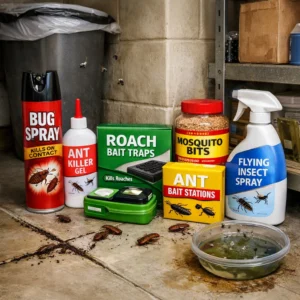
While DIY pest control methods like sprays, traps, and baits are common, they often fail to solve the root cause of an infestation. Electric pest control offers an alternative that is less toxic and can supplement DIY efforts or even professional treatments.
Here’s how electric pest control compares to traditional DIY methods:
- Electric Zappers vs. Chemical Sprays: Zappers kill flying pests on contact, while chemical sprays may kill pests temporarily but do not address nests or hidden infestations.
- Ultrasonic Repellers vs. Bait Traps: Ultrasonic repellers may deter pests from entering, while bait traps attract pests to a particular spot, which may not be effective for widespread infestations.
- Electromagnetic Devices vs. Rodent Traps: Electromagnetic devices disrupt the pests’ nervous system, while rodent traps physically capture pests.
In short, while DIY methods can provide temporary relief, electric pest control technologies offer long-term prevention and an eco-friendly alternative to harsh chemicals.
Bug-by-Bug Cheat Sheet: Which Devices Work Best for Specific Pests
Not all electric pest control devices are suitable for all pests. Here’s a quick reference to help you choose the right device for your pest control needs:
- Electric Zappers: Best for flies, mosquitoes, moths, and other flying insects. The zappers are especially effective outdoors.
- Ultrasonic Repellers: Best for mice, rats, cockroaches. They work best when there’s a clear line of sight.
- Electric Traps: Best for rats and mice. These traps are 100% effective in capturing rodents.
- Heated Bed Bug Wraps: Best for bed bugs. Effective at killing bugs by raising the temperature in infested areas.
- Ionic Devices: Best for ants, spiders, and moths, providing a non-toxic way to drive them out.
Layered Defense Strategy for Pest Control
While electric pest control devices are effective tools, they are most effective when used as part of a comprehensive, layered pest control strategy.
A layered defense strategy includes:
- Physical Barriers: Seal cracks around windows, doors, and pipes to prevent pests from entering your home.
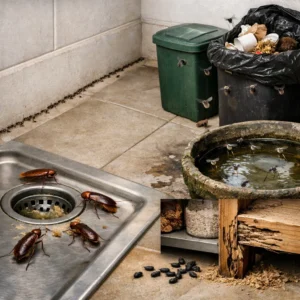
- Sanitation: Remove food crumbs, clutter, and standing water that attract pests.
- Electric Devices: Use zappers, ultrasonic repellers, and other electric devices to deter pests before they can establish an infestation.
This approach ensures that pests are kept at bay while reducing the chance of recurring problems.
Conclusion
Pest control electric technologies offer an effective, eco-friendly way to manage pest problems in homes and businesses. Whether you choose active killers like electric zappers or passive repellers like ultrasonic devices, these tools can help you stay ahead of pests and prevent infestations. However, it’s essential to understand the limitations of these devices, especially when dealing with active infestations. For lasting results, combine electric devices with other pest control methods, and remember that sometimes professional intervention is necessary for severe or widespread problems.