When pests invade your home or business, many people turn to pest control powders as a method of control. These powders are a popular and effective way to tackle insect infestations, and they work by desiccating pests—essentially drying them out. Common types of pest control powders include Diatomaceous Earth (DE), Silica Gel, Boric Acid, Pyrethrin Dust, and Delta Dust, each with its own specific benefits, application methods, and safety considerations. In this article, we’ll explore how these powders work, the different types available, the best ways to apply them, and when it’s time to transition from DIY methods to professional pest control.
Table of Contents
ToggleHow Pest Control Powders Work
Pest control powders are primarily designed to target the exoskeletons of insects. Many of these powders work by causing desiccation, which is the process of drying out the insect’s outer layer and ultimately causing it to dehydrate and die. This process is slow, so the powder acts as a residual treatment, providing ongoing protection against pests for days or even weeks after application.
The key ingredients in many pest control powders are substances like Diatomaceous Earth (DE) and Silica Gel. These substances are made up of fine, powdery particles that can penetrate the exoskeletons of insects, causing tiny abrasions and making them lose moisture. As the insect continues to move around, the powder continues to work, leading to dehydration and death over time. This slow action is often more effective than fast-acting poisons, especially for pests that are hard to reach or hide in hard-to-access places.
Common Types of Pest Control Powders
There are various types of pest control powders available, each with its unique properties and safety profiles. Here’s a breakdown of some of the most commonly used pest control powders:
Diatomaceous Earth (DE)
Diatomaceous Earth is a naturally occurring powder made from the fossilized remains of diatoms (microscopic algae). It is one of the most popular and eco-friendly pest control powders due to its low toxicity and effectiveness against a wide range of pests, including ants, cockroaches, bedbugs, fleas, and even some types of mites.
How it works: DE acts by physically damaging the exoskeleton of insects. It does not poison them but instead causes the insects to lose moisture from their body, ultimately leading to death from dehydration.
Safety: Diatomaceous Earth is generally considered safe for pets and children. However, it can cause respiratory irritation if inhaled, so it’s essential to apply it carefully and avoid creating dust clouds. For the safety of your pets and children, it’s recommended to apply DE in places where they are less likely to come into contact with it.
Boric Acid
Boric Acid is another common pest control powder that targets the digestive systems of insects. It is effective against cockroaches, ants, termites, and other crawling insects.
How it works: Boric Acid works by disrupting the digestive system of insects. When they ingest it, it affects their metabolism and causes them to die. It can also damage the exoskeleton, contributing to dehydration.
Safety: Boric Acid is considered to have low toxicity. It is safe for use around pets and children, but it is still important to apply it in areas where pets and children cannot access it easily. If ingested in large quantities, Boric Acid can be harmful, so always apply it cautiously.
Pyrethrin Dust
Pyrethrin Dust is made from the crushed flowers of the pyrethrum daisy. It is an effective insecticide that targets a broad range of pests, including fleas, mosquitoes, ants, and cockroaches. Pyrethrin is widely used because it works quickly to kill pests.
How it works: Pyrethrin works by disrupting the nervous system of insects. It paralyzes them and leads to death within a short period of time.
Safety: While Pyrethrin is highly effective, it does require caution during application. It is toxic to both insects and humans in large doses, and it can also be toxic to pets if they ingest it. Always apply it carefully, avoid breathing it in, and make sure it doesn’t come into contact with food or water sources.
Delta Dust
Delta Dust is a type of dust insecticide that is most effective in outdoor environments or areas that are difficult to reach. It’s commonly used for pests like termites and ants.
How it works: Delta Dust works similarly to other insecticidal powders by desiccating the exoskeleton of insects. It is slow-acting but very effective when applied correctly.
Safety: Delta Dust is designed primarily for outdoor use and should be applied with care, especially in areas that pets or children frequent. It is best used in hard-to-reach outdoor areas such as under siding, along foundation cracks, and in attics.
How to Apply Pest Control Powders Effectively
Proper application of pest control powders is crucial to ensure that they work effectively without making a mess or causing exposure to humans, pets, or food sources. Here’s a guide to help you apply pest control powders precisely:
1. Use the Right Tools
To apply pest control powders without making a mess, use specialized tools such as a bellows duster or powder puffer. These tools help distribute a fine, even layer of powder, which is essential for effectiveness. A bellows duster allows you to control the amount of powder released, ensuring that you apply a thin, barely visible dust in the target area.
2. Avoid Over-Application
One of the most common mistakes people make when using pest control powders is over-application. A heavy layer of powder is not necessary and can create a mess. Too much powder can also reduce its effectiveness, as pests may avoid or bypass it entirely. Apply just enough to cover the affected areas lightly.
3. Target the Right Hot Zones
Certain areas in your home or business are more likely to harbor pests. When applying pest control powders, focus on the following “hot zones”:
- Behind appliances such as fridges, ovens, and microwaves
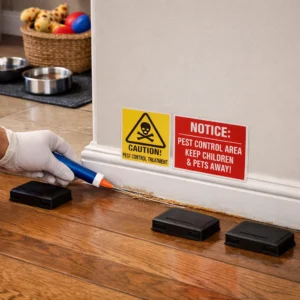
- Along baseboards and walls
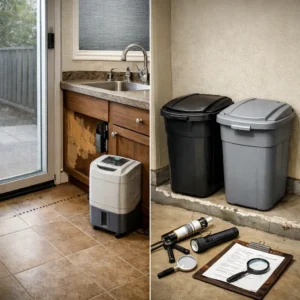
- In cracks and crevices around windows and doors
- In storage areas and under furniture
- At entry points like thresholds and window tracks
- Under sinks and in plumbing areas
These are common places where pests hide or travel, and they should be your primary focus when applying pest control powders.
4. Avoid Applying in High-Traffic Areas
Do not apply powders in areas with heavy foot traffic, especially in kitchens, dining areas, or places where pets may walk. Avoid applying powders directly on food prep surfaces or areas where children play.
When to Give Up on DIY Pest Control Powders
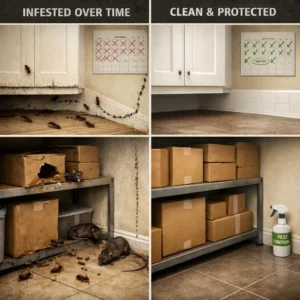
While pest control powders can be effective for minor infestations, there are times when they simply won’t be enough to solve the problem. If you find that DIY powders aren’t working or that the infestation is too large, it’s time to call in a professional pest control service.
Signs that it’s time to give up on DIY powders and hire an expert:
- Repeated sightings of pests despite powder application
- Infestation has spread to multiple areas of the house or business
- Pests are still active during the daytime
- You’ve applied the powder multiple times with no noticeable effect
- You notice that pests are avoiding the powdered areas
At this point, a professional pest control service will have the tools, expertise, and experience to eliminate the problem more effectively. They’ll also use targeted treatments that go beyond powders to control pests more comprehensively.
Safety First: Protect Yourself and Others
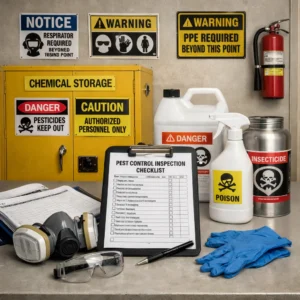
While pest control powders can be effective, it’s important to remember that safety comes first. Even natural powders like Diatomaceous Earth (DE) can irritate the lungs if inhaled. Always wear a mask when applying pest control powders, especially in enclosed areas. It’s also a good idea to wear gloves and eye protection.
For the safety of pets and children, avoid applying powders in places they frequent. Make sure all powdered areas are out of reach, and allow time for the powder to settle before re-entering the space.
Conclusion: Using Pest Control Powders Wisely
Pest control powders are an effective tool for managing insect infestations, but they require careful application to be both safe and effective. By choosing the right powder, using the correct tools, and applying it in the right places, you can address many pest problems yourself. However, if you encounter a larger infestation or if DIY methods aren’t yielding results, it’s time to call in the experts.
First Station Pest Control Services is ready to help with any pest problems in Sharjah. Whether you’re dealing with an ongoing infestation or want to prevent one, our team of experts is here to offer safe, professional, and municipality-approved pest control solutions. Don’t hesitate to reach out for advice, inspection, or treatment tailored to your specific needs.