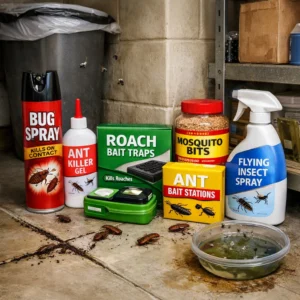
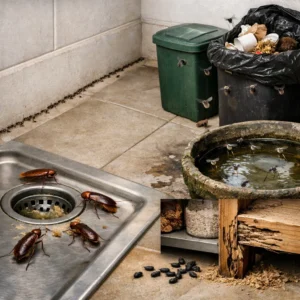
When pests invade your home or business, finding the right method to control and eliminate them can be tricky. While there are various methods available, many people turn to pest control traps as an effective solution. Whether it’s for mice, roaches, ants, or other pests, using the right trap for the job can make a huge difference in how quickly you can resolve the infestation. In this guide, we’ll walk you through everything you need to know about pest control traps, from diagnosing the problem to troubleshooting common issues.
Table of Contents
ToggleStep 1: Diagnosing Your Pest Problem
The first step in choosing the right pest control trap is identifying which pest you’re dealing with. Understanding your pest’s habits, habitat preferences, and behavior is key to selecting the most effective trap. Let’s break down a few common pests and how you can identify them:
- Roaches: Look for dark-colored droppings or smear marks on surfaces. Roaches tend to hide in dark, moist areas like under sinks, inside cabinets, or behind appliances.
- Mice: Mice are known for leaving droppings near baseboards, along walls, and inside cupboards. They may also chew through wires, insulation, and wooden structures.
- Ants: If you see a trail of ants marching in a line, they are likely foraging for food. Follow their trail to find their nest, which may be located outdoors or in hidden spaces inside your home.
- Rats: Rats often leave large droppings, gnaw marks, and trails along walls or edges. You might also hear scurrying or scratching noises at night.
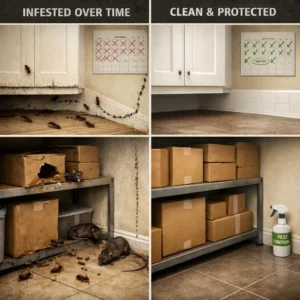
Using visual clues, such as droppings, chew marks, or nests, helps to narrow down which pest you’re dealing with and determine the best type of trap.
Step 2: Choosing the Right Trap for the Pest
Not all traps are created equal. Different pests have different preferences, and the trap that works best for one pest may not work for another. Let’s explore the most common types of pest control traps and how they work for specific pests:
Snap Traps
Snap traps are one of the most common traps used for rodents, especially mice. These traps work by using a spring-loaded mechanism to quickly snap shut when triggered, killing the pest instantly. They are effective for mice because they are quick and easy to set up.
Glue Boards
Glue boards are often used for smaller pests, such as ants, roaches, or mice. These boards are coated with a sticky substance that traps pests when they step onto it. However, they can be a bit controversial because they don’t kill pests immediately and may cause unnecessary suffering.
Bait Stations
Bait stations are commonly used for both mice and rats. These traps use a food source that attracts the pests, and when they eat the bait, they either get trapped inside or consume a slow-acting poison. The latter option should be used with caution, especially in homes with children or pets, as the poison could be harmful if ingested.
Comparison Matrix: Pros and Cons of Different Pest Control Traps
Here’s a quick comparison of the most commonly used pest control traps, including their effectiveness, ease of use, and the “ick factor”:
| Trap Type | Effectiveness | Effort Level | “Ick” Factor | Pros | Cons |
|---|---|---|---|---|---|
| Snap Traps | High (for mice and rats) | Low (easy to set) | High (blood and kill involved) | Instant kill, effective for rodents, easy setup | Requires proper placement, can be messy |
| Glue Boards | Moderate (works for small pests like ants and roaches) | Low (easy to place) | Moderate (pest is stuck, but alive) | Cheap, non-toxic, easy to use | Slow death, pests may suffer |
| Bait Stations | High (effective for larger rodents, but may take time) | Moderate (requires monitoring and refilling) | Low (no direct contact with pests) | Effective for large rodents, simple to set | Slow-acting poison, can be dangerous for pets or children |
Pro Tips for Using Pest Control Traps
Now that you’ve decided on the right trap, it’s important to optimize its effectiveness. Here are some high-value pro tips:
1. Optimal Bait Choices
The bait you choose is critical in attracting pests. Here are some bait suggestions based on the type of pest:
- Mice and Rats: Peanut butter, chocolate, seeds, or dried fruit.
- Cockroaches: A mixture of sugar and peanut butter, or store-bought bait made for cockroaches.
- Ants: Sugar water, honey, or peanut butter work well for attracting ants.
2. Placement Logic
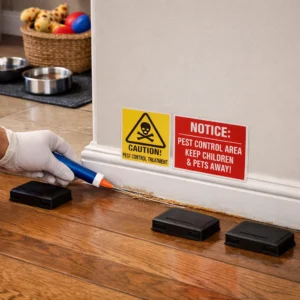
The placement of your traps plays a huge role in their success. For mice and rats, place traps along baseboards and near where you’ve seen droppings or gnaw marks. Cockroaches, on the other hand, prefer dark, hidden corners. For ants, place traps near their entry points.
3. Scent Masking
Pests can be scared off by human scents. To avoid this, wear gloves when setting up traps and avoid touching the bait directly. Additionally, consider using a scent mask (like essential oils) to make the area less human-scented.
4. Monitor and Refill
For bait stations, make sure to monitor the traps regularly and refill them as necessary. Bait that is exposed for too long can become stale and ineffective.
5. Trap Placement for Best Results
For snap traps, place them perpendicular to the walls, with the trigger facing the wall. Mice tend to follow walls, so this placement increases the likelihood of them triggering the trap.
Safety and Ethics: Child and Pet Safety
While traps are essential for pest control, safety is paramount, especially if you have children or pets in your home. Ensure that traps are placed in areas that are not accessible to children or animals. Tamper-resistant traps are available for safety, and many professional pest control companies offer child and pet-safe options.
If you’re concerned about using traditional traps, consider using humane alternatives like catch-and-release traps, which allow you to safely release the captured pests far from your home. These traps work best for smaller pests like mice and rats, though they require regular checking and releasing the pests within a reasonable time frame.
Troubleshooting Common Trap Issues
Sometimes traps don’t work as expected. Here are some troubleshooting tips:
- Traps Not Firing: If snap traps are not firing, check to ensure the spring mechanism is set properly. Clean the trap from any debris that may prevent it from functioning.
- Bait Is Taken Without Triggering: Make sure the bait is securely attached to the trap and that it’s fresh. Mice or rats may ignore old or stale bait.
- Traps Not Catching Anything: If you’re not catching pests, try adjusting the trap placement. Mice, for example, tend to follow walls, so ensure the trap is placed along their typical path.
When to Seek Professional Pest Control Help
Traps are great for smaller, manageable pest problems. However, if the infestation is widespread or if your traps are not catching anything, it’s time to call in the professionals. Professional pest control services can identify the source of the infestation and offer more effective solutions that are tailored to the size and complexity of the problem.
Conclusion
Using the right pest control traps can effectively address many common pest problems. By understanding which traps are best suited for your specific situation, optimizing trap placement and bait, and being mindful of safety, you can handle pest infestations effectively. However, when DIY solutions don’t cut it, don’t hesitate to call in a professional pest control service to ensure your home or business is pest-free for the long term.