When you’re faced with a pest problem in your home or business, one of the first steps is choosing the right pest control products. With the sheer variety available in the market, selecting the correct product can be overwhelming. This article will guide you through how to identify pests properly, understand the types of pest control products, assess safety concerns, and know when a product will actually solve your problem. We’ll cover the types of products that work for different infestations, safety standards, and why some DIY methods fail. By the end, you’ll be armed with the knowledge to select the right pest control products for your needs.
Table of Contents
ToggleIdentifying Pests Before Purchasing Pest Control Products
Before purchasing any pest control product, it’s crucial to identify the pest you’re dealing with. This helps ensure you choose a product that is both effective and appropriate for the problem at hand. A common mistake many people make is using the wrong product for the wrong pest, leading to wasted money, ineffective treatments, and ongoing frustration.
There are several ways to identify pests:
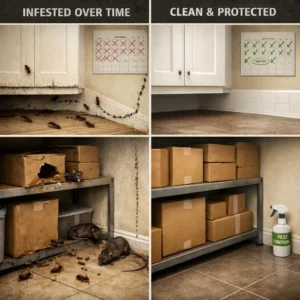
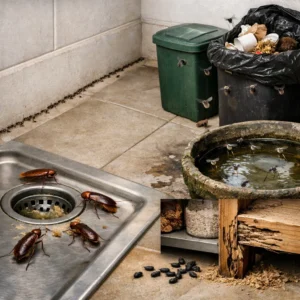
- Visual identification: The easiest way to identify pests is by sight. Different pests have unique physical characteristics. For example, cockroaches are brown or black, with long antennae and flat bodies, while bed bugs are small, reddish-brown, and oval-shaped.
- Signs of infestation: Many pests leave behind obvious clues that indicate their presence. For instance, cockroach droppings are small, dark, and cylindrical, while rodents leave behind droppings that resemble small pellets. Bed bugs leave blood spots on sheets and dark excrement.
- Exit holes and damage: Insect-infested wood (like termites) will often show tiny exit holes or visible tunnels within the wood. For rodents, chewed cables, gnawed furniture, and droppings are telltale signs.
Using these signs to properly identify the pest will save time, money, and ensure you purchase the correct pest control product.
Choosing the Right Pest Control Product
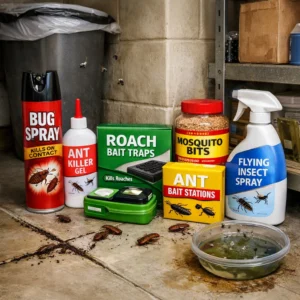
Once you have identified the pest, the next step is to select the correct product. Pest control products fall into different categories depending on their active ingredients, mode of action, and intended use.
Product Categories
Understanding the basic categories of pest control products helps you make informed decisions. Below are the primary categories of pest control products:
- Botanical (natural) products: These products use plant-based ingredients like neem oil, diatomaceous earth, or essential oils (e.g., peppermint, lavender) to repel or kill pests. They are typically safer for humans, pets, and the environment but may require more frequent applications.
- Synthetic products: Synthetic pesticides, like pyrethroids or organophosphates, are designed to kill pests quickly. These tend to be more effective on a wider range of pests but may have higher toxicity levels. Always check labels for safety and follow instructions precisely.
- Insect Growth Regulators (IGRs): These are a special category of pesticides that disrupt the development cycle of insects. They prevent pests from maturing or reproducing, offering long-term control. IGRs are commonly used for cockroaches, fleas, and ants.
- Contact sprays: These are chemical sprays that kill pests on contact. They’re typically fast-acting and used for immediate relief. However, they often don’t offer long-lasting protection, so they may need to be reapplied frequently.
- Residual products: These products leave a chemical barrier on surfaces that continue to kill pests long after application. Residual insecticides can be more effective for long-term control, as they work continuously until washed away or broken down by sunlight or moisture.
Safety Considerations
Safety should always be a top priority when selecting a pest control product. The safety of your family, pets, and even the environment depends on using the correct product and following instructions carefully.
Here are some key safety considerations:
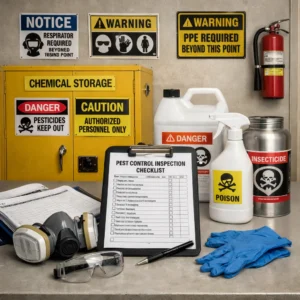
- Personal Protective Equipment (PPE): Many pest control products, especially synthetic chemicals, require you to wear protective clothing. This can include gloves, masks, goggles, and long sleeves to avoid skin contact and inhalation of fumes.
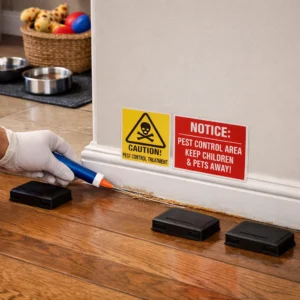
- Children and pets: If you have children or pets, consider opting for botanical or eco-friendly pest control products that are generally safer. Always follow the product label to determine if pets or children should be kept away during or after treatment.
- Ventilation: Always ensure the area is properly ventilated when using sprays, foggers, or other chemical treatments. Open windows, doors, and turn on fans to disperse fumes safely.
Mode of Action of Different Pest Control Products
The mode of action refers to how the product works to eliminate pests. Understanding the different modes of action will help you choose the right treatment for your specific pest problem.
Contact Sprays
Contact sprays are designed to kill pests on contact. These products are often fast-acting, making them ideal for immediate relief. However, contact sprays do not provide long-term protection, so they must be reapplied regularly. They are best for treating small infestations where the pests are visible and can be targeted directly.
Residual Products
Residual products leave a long-lasting chemical barrier on surfaces. After application, they continue to kill pests for days or weeks, depending on the product. These products are effective for controlling pests that may return, such as cockroaches and ants, or pests that move between hidden areas. While effective, they require careful application to ensure no harm to pets, children, or food-preparation areas.
Insect Growth Regulators (IGRs)
IGRs disrupt the development cycle of pests. Instead of killing them on contact, IGRs prevent pests from maturing or reproducing. These are ideal for pests like cockroaches, fleas, and ants, as they prevent the population from increasing over time. IGRs are often used in conjunction with other pest control methods for comprehensive long-term management.
Common DIY Pest Control Mistakes
While DIY pest control products can be effective, many people make common mistakes that reduce their effectiveness or even make the problem worse.
Here are some common mistakes to avoid:
Over-application
One of the most common DIY mistakes is over-applying pest control products. People may think that more product will solve the problem faster, but using too much can cause harm to the environment, pets, and humans. Over-application can also lead to the development of pest resistance, making future control more difficult.
Scent Contamination
Pest control sprays and baits often leave behind strong odors. Overusing products or using them in areas that are too close to food or air systems can lead to contamination. This can also make your home or office uncomfortable to be in, which is why it’s essential to follow application guidelines.
Inconsistent Re-application
Many DIY pest control methods fail because users do not reapply the products regularly. Pest control requires consistent effort, especially when dealing with long-term infestations. Products like residual insecticides may need reapplication after a set period to remain effective. Failing to do this can lead to pest resurgence.
Why Some DIY Methods Fail
While DIY pest control can be helpful for minor infestations or preventative measures, it often fails when the problem is more complex or widespread. Here are some reasons why DIY solutions sometimes fall short:
- Lack of proper pest identification: Incorrectly identifying the pest means using the wrong product, which leads to wasted time and money.
- Inadequate coverage: DIY products often do not address hidden areas like cracks, gaps, or hidden nests, which are prime areas for pests to hide.
- Resistance: Overuse of certain products can lead to resistance, making it more difficult to control pests with the same product in the future.
Comparing Pest Control Products: A Quick Guide
Choosing the right pest control product can be difficult. Here’s a quick comparison to help you make the best decision based on your needs:
| Product Type | Best Use | Speed of Results | Ease of Use |
|---|---|---|---|
| Contact Sprays | Visible pests (cockroaches, ants, etc.) | Fast | Very Easy |
| Residual Products | Long-term control (cockroaches, ants, termites) | Medium | Moderate |
| Insect Growth Regulators (IGRs) | Prevention (cockroaches, fleas) | Slow (long-term control) | Easy |
| Botanical (Natural) Products | Eco-friendly solution for minor infestations | Slow | Easy |
| Synthetic Products | Effective for severe infestations (cockroaches, bed bugs) | Fast | Moderate |
Conclusion
Choosing the right pest control products is crucial to solving your pest problem effectively. With the correct identification, product selection, and application, you can eliminate pests safely while maintaining the health and safety of your family, pets, and the environment. Remember, some DIY methods may fail to address the root cause of the problem, and overuse of products can result in damage or resistance. By carefully selecting and applying the appropriate products—and understanding when to seek professional help—you’ll be well on your way to a pest-free space.