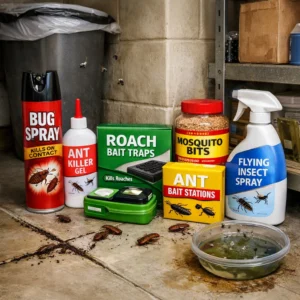
When searching for “green pest removal,” many readers are seeking a more natural, environmentally-friendly alternative to traditional pest control methods. The idea of eliminating pests without exposing their homes, businesses, and loved ones to harsh chemicals is an appealing one. However, while many people are interested in going green with pest control, there is a lot of confusion and misinformation surrounding the subject. This article aims to clear up that confusion, show you how green pest removal methods work, and why they are often a safer, more effective choice for your home or business.
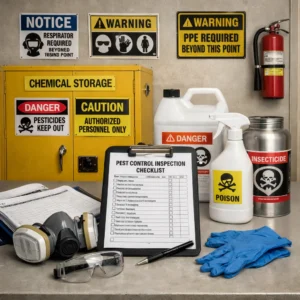
While chemical pesticides have been the go-to for pest control for decades, these harsh treatments pose serious risks to both human health and the environment. The volatile organic compounds (VOCs) present in many traditional pesticides can lead to respiratory issues, headaches, dizziness, and long-term health problems. Furthermore, these chemicals often harm pets, children, and beneficial insects, leaving families with a dangerous trade-off between pest control and their health.
Green pest removal methods are just as effective as traditional pesticides, but with far fewer risks. Using natural and eco-friendly solutions for pest control can be a game-changer when it comes to eliminating pests safely and sustainably.
Table of Contents
ToggleUnderstanding Green Pest Removal
Green pest removal refers to a set of strategies that rely on natural and non-toxic methods to eliminate or repel pests. These methods aim to minimize harm to the environment, pets, children, and beneficial species while still delivering the pest control results homeowners and businesses need. But it’s important to understand that not all “green” methods are created equal, and not every so-called natural remedy works as effectively as advertised. In this section, we’ll look at some of the most effective green pest control methods and explain the science behind them.
Effective Green Pest Control Methods
Diatomaceous Earth (DE)
Diatomaceous Earth (DE) is a natural powder made from the fossilized remains of tiny aquatic organisms called diatoms. The fine powder is abrasive to insects and causes them to dehydrate and die. It’s effective against a wide range of pests, including ants, cockroaches, fleas, bedbugs, and spiders. The best part? DE is non-toxic to humans and pets, making it a safe option for households. To use, simply sprinkle DE in areas where pests are active or in cracks and crevices where pests are likely to hide.
Essential Oils
Essential oils are one of the most popular green pest control methods. These oils, derived from plants, have natural insect-repelling properties that are effective against many common pests. For example, peppermint oil is known to repel ants and spiders, while citronella and eucalyptus oils are great for keeping mosquitoes at bay.
Essential oils work because they contain compounds that disrupt an insect’s sensory system or confuse them with overpowering scents. While they are highly effective at repelling pests, essential oils are best used in conjunction with other green pest control methods. These oils can be used in a diffuser or diluted in water and sprayed directly onto affected areas.
Boric Acid
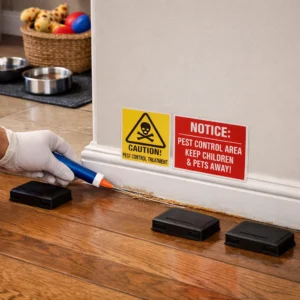
Boric acid is a naturally occurring substance that is highly effective against pests like cockroaches, termites, and ants. It works by interfering with the pest’s digestive system and causing dehydration. It is considered safe when used properly, but care must be taken to avoid ingesting it, particularly around pets and young children.
Boric acid is most commonly used as a powder or in bait traps. It is best placed in areas where pests are most active or near entry points.
The Science Behind Green Pest Control
To fully appreciate green pest control methods, it’s important to understand how they work. While traditional chemical pesticides generally target pests’ nervous systems or block essential functions, green solutions often work by physically disrupting pests or making the environment inhospitable to them. For example, Diatomaceous Earth dehydrates pests by causing their exoskeletons to break down, while essential oils and vinegar disrupt pests’ sensory systems and overwhelm their senses. Natural solutions often work by taking advantage of the pests’ biology, targeting weaknesses they cannot escape.
Integrated Pest Management (IPM)
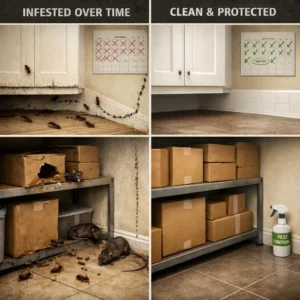
One of the most effective green pest control strategies is Integrated Pest Management (IPM), which takes a holistic, preventive approach to pest control. IPM involves using multiple tactics to manage pest populations and reduce the need for toxic chemicals. It focuses on preventing pests from entering the home, denying them food and shelter, and managing them with non-toxic treatments when necessary.
Key elements of IPM include:
- Exclusion: Seal cracks, gaps, and entry points to prevent pests from entering your home.
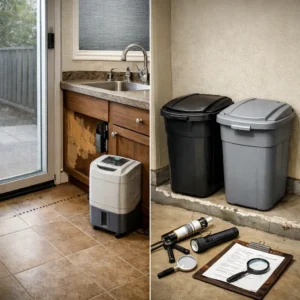
- Sanitation: Remove food and water sources that attract pests. Clean regularly to eliminate breeding grounds.
- Biological Controls: Introduce natural predators like ladybugs, nematodes, or predatory mites to reduce pest populations.
- Cultural Practices: Manage your lawn and garden by using resistant plants, crop rotation, and mulching to deter pests.
- Mechanical and Physical Controls: Use traps, barriers, and other devices to physically remove or repel pests.
Identifying Your Pest Problem
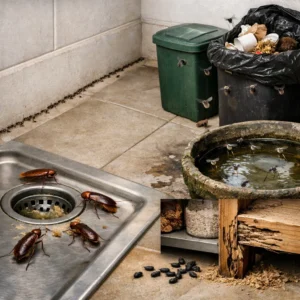
Before applying any pest control methods, it’s important to properly identify the pest. Each pest species has its own unique behaviors, nesting patterns, and vulnerabilities, so understanding your specific pest problem will help you choose the most effective treatment options.
Visual diagnostics, such as comparison galleries, can be extremely helpful in identifying pests. Look out for distinctive markings or patterns, droppings, nesting sites, and tracks. Common household pests like cockroaches, ants, and bed bugs have easily recognizable features and behaviors.
Eco-Friendly Pest Control Tools
There are a variety of natural tools available to help manage pests without resorting to harsh chemicals. Some popular eco-friendly pest control tools include:
- Vinegar: A highly effective cleaner that also acts as a repellent for ants, flies, and other pests.
- Cedar Chips: Known for repelling moths, ants, and termites, cedar can be placed in storage areas or along the perimeter of your home.
- Neem Oil: A natural pesticide that is derived from the seeds of the neem tree and is effective against a wide range of pests.
- Soapy Water: A simple yet effective solution for killing soft-bodied insects like aphids and mealybugs.
These tools are simple to use and safe for households with children and pets. However, they should be used in combination with other strategies to achieve the best results.
When DIY Green Pest Control is Not Enough
While DIY green pest control methods can be effective for minor issues, there are times when professional intervention is necessary. When pests have established a large infestation or are resistant to basic treatments, calling a professional is the best way to ensure safe and thorough removal. In many cases, professional pest control companies have access to stronger, yet still eco-friendly, treatments and more effective solutions.
Questions to Ask Pest Control Companies to Avoid “Greenwashing”
“Greenwashing” refers to companies that falsely advertise their services as environmentally friendly, often using it as a marketing tactic to increase sales without actually providing safe, effective solutions. To avoid falling for greenwashing, it’s important to ask pest control companies the right questions:
- Do you use EPA-approved, non-toxic products?
- What type of pest control treatments do you offer?
- Do you offer follow-up visits or maintenance services?
- Can you provide information on the safety of your products for children and pets?
- What experience do you have with green pest control methods?
Be wary of companies that make vague claims without giving clear answers or documentation on their green pest control methods.
Pro Tip: Non-Toxic Green Pest Removal Recipe
If you prefer DIY solutions but want something a little stronger than vinegar or cedar chips, here’s a simple, non-toxic pest removal recipe you can try right away. It works great for ants, spiders, and even cockroaches:
Ingredients:
- 1 cup of water
- 1 tablespoon of peppermint essential oil
- 1 teaspoon of dish soap

Directions:
1. Mix the ingredients in a spray bottle.
2. Shake well to combine.
3. Spray directly on visible pests and around areas where pests are entering your home.
4. Reapply every few days until the infestation is under control.

This solution is safe, non-toxic, and works well in conjunction with other preventive measures like sealing cracks and reducing food access.
When to Call in the Experts
While DIY methods are effective for light infestations or as preventive measures, some situations require expert intervention. If your pest problem is widespread, persistent, or involves a pest that is difficult to control, it’s best to call a professional pest control company. First Station Pest Control, for example, specializes in green pest removal methods and offers safe, non-toxic treatments that are just as effective as traditional methods. If you’re dealing with a large infestation or need a more comprehensive solution, professional help can provide long-lasting results and peace of mind.
Conclusion
Green pest removal is a smart, effective, and eco-friendly way to manage pests while keeping your home, family, and pets safe. Whether you choose to tackle the problem yourself or rely on professional services, it’s essential to understand your pest issues, the products being used, and the right treatment methods. If DIY isn’t enough, there are experts available to help with the tools and knowledge to control pests safely and effectively. By choosing the right approach and asking the right questions, you can keep your home or business pest-free without compromising your health or the environment.