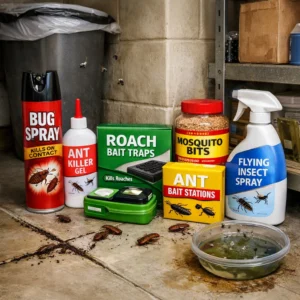
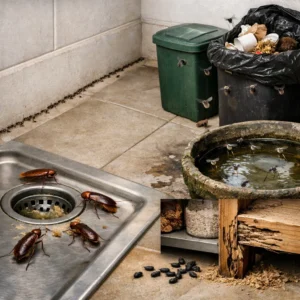
Commercial pest management is critical to maintaining the success and reputation of any business. Unlike residential pest control, where issues are often handled after pests are visible, commercial pest management demands a proactive approach to minimize risks and prevent issues from affecting operations. For businesses, pest problems can have severe consequences, ranging from damage to reputation, loss of revenue, and non-compliance with regulatory standards. This article discusses why pest management is so crucial in a commercial setting, the impact of pests on businesses, the importance of regulatory compliance, and the strategies businesses must implement to stay pest-free. It also includes practical advice on how to prepare for audits and health inspections, highlighting the significance of structured, tech-forward pest control practices in commercial settings.
Table of Contents
ToggleThe High Stakes of Commercial Pest Management
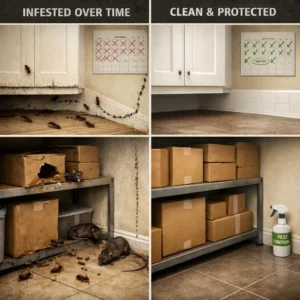
For businesses, pests aren’t just an inconvenience—they pose serious risks to revenue, reputation, and legal compliance. In a commercial environment, pests can cause contamination, property damage, and health risks that directly impact customers, staff, and overall operations.
The stakes are high in commercial pest management for several reasons:
- Reputation: One bad review or a health inspection failure can damage a brand’s reputation and turn customers away. In today’s digital age, a negative review citing pests can spread quickly.
- Revenue loss: A pest infestation in a foodservice business, hotel, or retail operation can lead to costly closures, lost business, and a decrease in repeat customers.
- Regulatory compliance: Many commercial sectors are legally required to adhere to pest control standards. Health inspections and audits often include checks for pest management practices, and failure to comply with these regulations can result in fines and business shutdowns.
Understanding the risks associated with pest problems is the first step toward minimizing them and maintaining a successful business. The key is a combination of proactive measures, regular monitoring, and keeping up with the latest pest control technologies and regulations.
Regulatory Compliance in Commercial Pest Management
Compliance with local and national pest control standards is mandatory for businesses in many industries. In Sharjah, Dubai, and the wider UAE, businesses must adhere to strict regulatory standards for pest management. These standards are in place to protect public health, safety, and the environment, and failing to comply can result in heavy fines, legal action, or business closure.
Several critical aspects of regulatory compliance include:
1. Digital Logs and Documentation
One of the most significant elements of commercial pest management is keeping detailed, accurate records. Digital logs are essential for tracking pest control efforts, including the treatments applied, the technicians involved, and the date of service. These records are vital during health inspections or audits.
Regulatory authorities often require businesses to maintain these logs for a specific period, usually up to one year. These logs should include:
- Inspection reports
- Treatment schedules
- Product usage details (e.g., types of chemicals used, application methods)
- Follow-up actions and recommendations
2. Adherence to Integrated Pest Management (IPM) Standards
Integrated Pest Management (IPM) is a holistic approach to pest control that emphasizes long-term prevention using a combination of techniques. It includes:
- Inspection: Regular and thorough inspections of the premises to identify pest risks and potential entry points.
- Exclusion: Physical barriers such as door seals, air curtains, and windows to prevent pests from entering.
- Biological control: Using natural predators or organic pesticides to control pest populations.
- Monitoring: Ongoing surveillance to detect pest activity before it becomes a problem.
- Record keeping: Documentation of all pest management activities to ensure transparency and accountability.
IPM standards are widely accepted across the globe and are often a requirement for businesses in food, hospitality, and health sectors to ensure pest management is both effective and environmentally responsible.
Comparing Commercial vs Residential Pest Control
While both residential and commercial pest control aim to eliminate pests, the approach to pest management differs in terms of the scope, intensity, and standards of operation.
Key differences between residential and commercial pest control include:
- Zero tolerance in commercial settings: In commercial spaces, there is zero tolerance for pests. Even a single pest sighting can lead to significant damage to reputation. On the other hand, residential pest control often deals with intermittent or isolated incidents.
- Frequent monitoring and inspections: Commercial properties require more frequent inspections and treatments due to the higher risk of pest infestations. These inspections may happen monthly or quarterly depending on the business type, whereas residential treatments are typically scheduled annually or bi-annually.
- Specific service needs: Commercial pest control often needs to deal with more complex issues, including food safety, employee safety, and customer satisfaction. Residential pest control is more straightforward and typically involves a smaller, more contained environment.
- Health and safety regulations: Commercial pest control must comply with health and safety regulations, including food handling and storage guidelines. Failure to comply with these regulations can result in legal consequences. Residential treatments don’t require this level of oversight.
Because of these differences, businesses must invest in pest control solutions that are specifically tailored to their industry’s needs and requirements. Having a specialized pest management service provider helps ensure compliance and operational continuity.
Proactive Exclusion Strategies for Commercial Properties
Proactive measures play a crucial role in preventing pest problems before they start. Rather than waiting for pests to appear and then responding, proactive exclusion strategies are designed to make the environment less inviting for pests in the first place.
Structural Integrity: Seals, Barriers, and Air Curtains
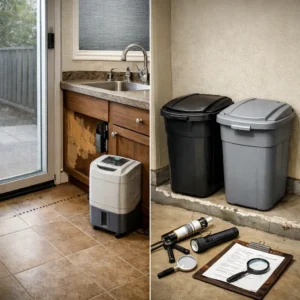
Maintaining a building’s structural integrity is essential for keeping pests out. Common exclusion measures include:
- Sealing cracks and gaps around doors, windows, and walls
- Installing air curtains at entrances, especially in food service or retail areas
- Covering vents and exhaust openings with mesh or fine screens
- Repairing broken windows, doors, or roofing that could provide access
Staff Training: The First Line of Defense
Properly training employees on how to spot signs of pest activity is crucial. Staff should be aware of common pests, such as cockroaches, ants, and rodents, and know what to do if they encounter any issues. Regular staff training also includes:
- Proper food handling and storage techniques
- Waste disposal procedures to avoid attracting pests
- Understanding the importance of reporting pest sightings immediately
Training employees not only helps prevent pest issues from escalating but also supports overall pest control compliance. By incorporating pest prevention into regular employee training, businesses can avoid relying on reactive measures alone.
Preparing for Health and Safety Inspections: A Pre-Audit Checklist
Health and safety audits are standard in commercial settings, particularly in industries like food service, healthcare, and hospitality. These audits often include a review of pest management practices to ensure compliance with local regulations.
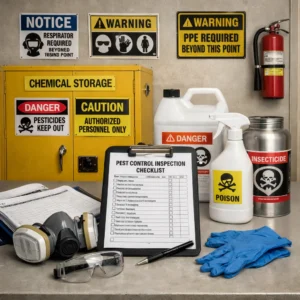
Preparing for these inspections is key to avoiding penalties or disruptions. Here’s a pre-audit checklist that businesses should follow:
- Ensure all pest control documentation is up to date: This includes inspection logs, treatment records, and chemical usage reports.
- Review Integrated Pest Management (IPM) practices: Confirm that IPM strategies have been followed, including exclusion methods, monitoring, and safe application of pesticides.
- Verify pest control provider certifications: Make sure the pest control service provider holds valid licenses and certifications from relevant regulatory bodies.
- Inspect the premises: Check for any visible signs of pests, such as droppings, nests, or gnaw marks, and ensure that no areas are overlooked during cleaning and treatment.
- Ensure that pest control treatments are scheduled and documented: Verify that treatments have been applied on time and that records are readily available for review during the audit.
By following this checklist, businesses can ensure they are prepared for health and safety inspections and remain compliant with pest control regulations.
Audit-Ready Pest Control: Ensuring Efficiency and Compliance
Effective pest control isn’t just about responding to infestations; it’s about managing a system that operates with ongoing efficiency and regulatory compliance. Using tech-forward tools and methods helps streamline pest control procedures while keeping operations audit-ready.
Many modern pest control companies use digital reporting and tracking systems to maintain accurate logs of pest activity, treatment histories, and compliance with regulations. This not only ensures that businesses are prepared for audits but also helps them maintain an effective pest management program year-round.
Pricing for Commercial Pest Control Services
When it comes to pricing commercial pest control, several factors influence the final cost:
- Property size: Larger properties or facilities require more extensive treatments and monitoring.
- Pest type and severity: Certain pests, such as termites or bed bugs, require specialized treatment.
- Frequency of service: Regular monitoring and prevention require a different pricing structure than one-time treatments.
- Accessibility: Difficult-to-reach areas may require more complex equipment and specialized techniques.
Typical pricing for commercial pest control varies based on property size, pest severity, and treatment complexity. For example, pest control for small commercial spaces may start at around AED 120 for up to 50 sqm. Larger commercial properties require customized pricing based on the area and the treatment plan needed.
Many pest control services also offer maintenance plans or ongoing monitoring at discounted rates, which helps businesses maintain pest-free environments without significant disruption.
Eco-Friendly Pest Control Options
As businesses become more environmentally conscious, eco-friendly pest control options are growing in popularity. These methods focus on minimizing the use of toxic chemicals while still providing effective pest management. Eco-friendly options include:
- Biological pest control methods, such as introducing natural predators
- Using low-toxicity pesticides that have minimal environmental impact
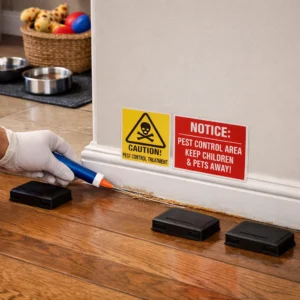
- Targeted treatments to avoid widespread pesticide use
- Encouraging habitat modification to prevent pest issues from arising in the first place
Choosing eco-friendly pest control methods is not just beneficial for the environment but also for maintaining a healthier environment for employees and customers.
Conclusion: The Importance of Proactive Commercial Pest Management
In commercial settings, pest problems cannot be ignored. They can harm business reputation, cause health risks, and lead to compliance issues. Proactive pest management strategies, including regular inspections, monitoring, exclusion methods, and safe treatment practices, help businesses maintain a pest-free environment and stay compliant with regulations.
First Station Pest Control Services is ready to help businesses in Sharjah, Dubai, and beyond maintain professional pest control practices tailored to the needs of commercial spaces. With licensed professionals and a comprehensive, proactive approach, First Station ensures that businesses are not only pest-free but also audit-ready and compliant with local health and safety regulations.