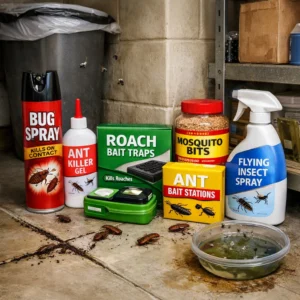
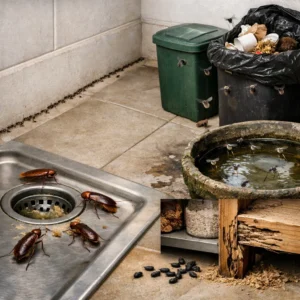
When you spot a pest in your home or business, it’s not just an inconvenience. It’s a sign that there could be a hidden problem lurking deeper within the structure, and it often brings stress and worry about health and property damage. A pest sighting can trigger a lot of concern, and understandably so. Pests like termites, ants, and rodents pose significant threats to your property, your family’s health, and your peace of mind. Whether you’ve spotted a few ants in the kitchen or seen a mouse scurrying across your living room floor, taking immediate action is crucial.
In this article, we’ll guide you through the essentials of professional pest management services, explain the steps involved in a pest control process, and help you identify the most common household pests. We’ll also compare DIY pest control methods with professional services, offering you a comprehensive understanding of what’s involved. In addition, we’ll provide valuable prevention tips, a detailed look at eco-friendly pest control, and trust signals that can help you make an informed decision when choosing a pest control provider.
Table of Contents
ToggleUnderstanding the Stress of Pest Sightings
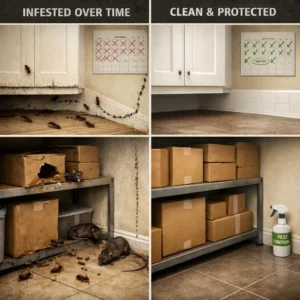
It’s completely normal to feel stressed when you spot pests in your home. Whether it’s a rodent, a colony of ants, or even something as insidious as termites, it’s not just the sight of the pest that can make you anxious but the realization that they might be hiding somewhere you can’t see. Even a small sighting can suggest a more serious infestation that could threaten your property and the health of everyone in your home.
Here’s why pests are more than just an unpleasant nuisance:
- Health risks: Pests such as rodents, cockroaches, and mosquitoes can spread diseases and trigger allergies.
- Structural damage: Termites and carpenter ants, for example, can cause long-term damage to your property.
- Food contamination: Certain pests can contaminate food and kitchen surfaces, leading to hygiene issues.
- Stress and anxiety: Having pests in your home can affect your mental well-being, causing worry and discomfort.
How to Identify Common Household Pests
When a pest appears, it’s important to quickly identify what you’re dealing with so you can take the right course of action. Understanding which pest you’re dealing with can make a huge difference in how you approach the problem. Below, we’ll explain how to distinguish between some of the most common pests that might be in your home, such as carpenter ants versus termites. We’ve also included a quick reference guide with visual cues to help you make a better identification.
Carpenter Ants vs. Termites
Carpenter ants and termites can both cause significant damage to your home, but they are very different pests in terms of behavior, appearance, and treatment. Here’s how to tell them apart:
- Carpenter Ants:
- Large size (1/4 to 1/2 inch)
- Black or red and black in color
- Exhibit a slow and steady movement
- Build nests inside wood but do not eat wood, they just hollow it out
- Can be seen foraging for food in the open during the day
- Termites:
- Smaller size (1/8 inch, pale or translucent color)
- Often mistaken for ants, but with straight antennae
- Feed on wood and can cause major structural damage
- Prefer to stay hidden, often found behind walls or in wood that appears hollowed out
- Cause damage over time, usually not noticed until significant harm is done
Rodents
Rodents are a serious concern, particularly in homes and businesses where food or waste is present. Rats and mice are known for spreading diseases like Hantavirus, Salmonella, and Leptospirosis. Signs of rodent infestation include droppings, gnaw marks, or the sound of scratching in the walls or ceilings.
Bed Bugs
Bed bugs are small, reddish-brown insects that feed on human blood. They can be found hiding in the seams of mattresses, cracks in the walls, or in furniture. Their bites are itchy and can cause skin irritation or allergic reactions. If you see blood spots on sheets or find live bugs, it’s time to call in the professionals.
Termites
Termites are often called “silent destroyers” because they feed on wood, and their damage is usually not seen until it’s too late. Signs of termites include hollowed-out wood, mud tubes, or discarded wings. If you have these symptoms, it’s essential to have your home inspected immediately.
The Professional Pest Management Process
When you hire a pest control service, there’s a standard process that professional technicians follow. Here’s what you can expect from a well-rounded pest management service:
Step 1: Inspection
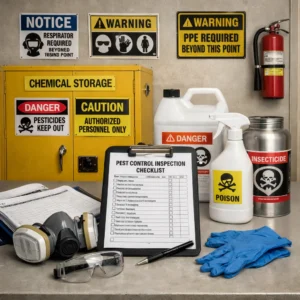
The first step is always an inspection. Pest control experts will visit your home or business to perform a thorough inspection. This includes looking for signs of infestation, determining entry points, and evaluating potential risk areas. This step is critical to understanding the severity of the problem and determining the most effective treatment plan.
Step 2: Identification
After the inspection, the technician will identify the type of pest(s) present and assess the scope of the infestation. This step is essential because different pests require different treatment methods. Proper identification ensures that the pest control plan is targeted and efficient.
Step 3: Treatment
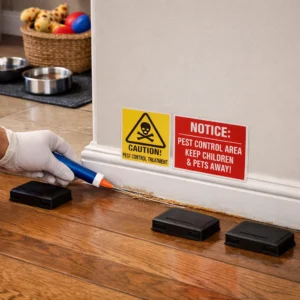
Once the pest is identified, treatment can begin. This may involve using chemical or eco-friendly pest control methods. In many cases, professional pest control services now offer low-toxicity or eco-friendly treatment options that are both effective and safe for pets and children.
Step 4: Monitoring
After treatment, pest control experts will monitor the area to ensure that the pests are gone and that no new infestations occur. This might involve follow-up visits to inspect areas that are more vulnerable to pest activity.
Value Comparison: DIY Pest Control vs. Professional Services
While DIY pest control may seem tempting, it often fails to resolve the problem long term. Let’s compare the pros and cons of DIY methods versus professional pest control services:
| Factor | DIY Methods | Professional Services |
|---|---|---|
| Safety | Risks from improper chemical use, exposure to harmful substances | Professionally applied methods, safe for families and pets |
| Success Rate | Lower success rate for severe infestations | Higher success rate with guaranteed results |
| Equipment Quality | Limited access to professional-grade tools and products | Use of professional equipment and industry-approved products |
| Follow-Up | None | Scheduled follow-up visits to monitor the situation |
| Cost | Low upfront cost, but higher long-term costs due to recurrence | Higher upfront cost, but long-term solution with a guarantee |
Prevention Tips: How to Avoid Future Pests
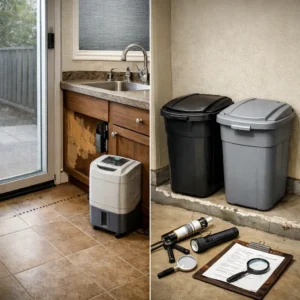
While professional pest control services are effective, you can take additional steps to prevent pests from returning:
Seal the Perimeter
- Close any cracks or gaps in windows and doors
- Seal gaps around pipes, vents, and electrical lines
- Install door sweeps on exterior doors
- Ensure that all vents and chimney openings are properly screened
Other Preventive Measures
- Regularly clean gutters and downspouts to prevent water buildup
- Store food in airtight containers
- Keep trash bins covered and remove waste regularly
- Maintain a dry environment by fixing leaks promptly
The Seasonal Nature of Pest Control
Pest activity in Sharjah and surrounding areas can vary with the seasons. Certain pests like mosquitoes, flies, and ants tend to be more active during warmer months, while rodents and termites may be active year-round.
Regular maintenance is essential to ensure pests do not return. Scheduling routine inspections every 6-12 months can help catch early signs of infestations and provide timely treatment before they escalate.
Trust Signals: Quality Certifications and Social Proof
When selecting a pest control service, it’s essential to choose a licensed and certified provider. Look for certifications such as:
- QualityPro: A symbol of excellence in pest management
- GreenPro: Certification for eco-friendly pest control practices
Additionally, positive social proof, such as customer testimonials or success stories, can indicate a provider’s reliability. Many providers, including First Station Pest Control, share their success stories to highlight their competence and customer satisfaction.
Conclusion
Pest management services are crucial for maintaining a safe, healthy, and comfortable environment in Sharjah. Whether you’re dealing with an active infestation or want to prevent one, understanding how professional pest control works, the value of hiring experts, and the cost implications of DIY versus professional treatments is vital for making the right decision.
Remember, the longer you wait, the more likely the problem will escalate. With the right pest management provider, your home or business can stay pest-free and protected. When in doubt, consulting with a trusted pest control service is always the smarter choice for your family, health, and property.