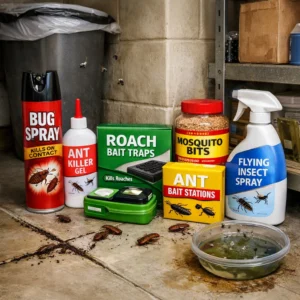
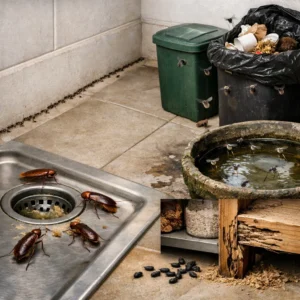
A thorough pest inspection checklist helps you spot early warning signs before small issues turn into expensive repairs or serious health risks. Whether you manage a home, rental property, or commercial space, inspections are the first line of defense against structural pests, rodents, and moisture-related problems that often stay hidden until damage is already done.
This guide provides a practical, zone-by-zone pest inspection checklist you can actually use. It starts with a high-level risk summary, explains why inspections matter, and then walks you through exterior areas, foundations, attics, kitchens, sleeping spaces, and storage zones. You’ll also find an evidence guide for common pests, seasonal considerations, and clear guidance on when a DIY inspection is enough versus when professional inspection is the safer choice. Pricing and inspection scope are discussed where relevant so expectations stay realistic.
Table of Contents
ToggleQuick high-level pest inspection checklist summary
If you need an immediate snapshot before diving into details, focus on these high-risk areas first. Missing these often leads to the biggest repair and health consequences.
- Structural pests: Signs of termites, wood damage, hollow-sounding wood, or mud tubes
- Rodents: Droppings, gnaw marks, scratching noises, or nesting materials
- Moisture issues: Leaks, condensation, mold patches, or damp smells
- Entry points: Gaps around doors, pipes, vents, and foundations
- Hidden spaces: Attics, crawlspaces, cabinets, and storage areas
These risks often overlap. Moisture attracts pests, pests cause damage, and damage creates more entry points.
Why pest inspections matter more than people think
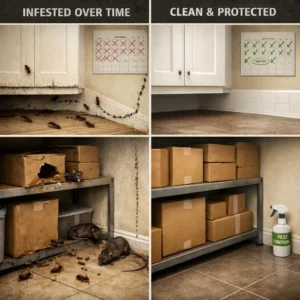
Pest problems rarely announce themselves loudly at the beginning. Many infestations develop quietly behind walls, under floors, or inside ceilings. By the time pests are clearly visible, the issue is often advanced.
Ignoring regular inspection increases the risk of:
- Structural damage to wood, walls, insulation, and wiring
- Costly repairs that far exceed inspection costs
- Health issues such as allergies, asthma, and disease exposure
- Food contamination and hygiene problems
- Business compliance issues or tenant disputes
A structured pest inspection checklist helps you catch problems early, when solutions are simpler, safer, and less expensive.
How to use this pest inspection checklist effectively
This checklist is organized by inspection zones so you can move logically through a property without missing critical areas. Start outside and work your way inward, finishing with hidden and low-traffic spaces.
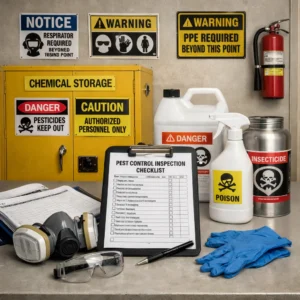
You do not need special tools to begin. A flashlight, gloves, and a notepad or phone camera are usually enough for a basic inspection.
Exterior and foundation inspection checklist
The exterior is where most pest problems begin. This area should always be inspected first.
What to check
- Cracks in walls, foundations, and exterior surfaces
- Gaps around doors, windows, vents, and utility pipes
- Soil or mulch touching exterior walls
- Standing water near the building
- Damaged screens or vents
Common pest signs
- Mud tubes along foundations (termite activity)
- Rodent burrows near walls
- Insect trails near entry points
- Wood debris or hollow-sounding wood
Exterior issues often allow pests to enter without being noticed.
Rooflines, attics, and crawlspaces
These areas are frequently skipped but are among the most important inspection zones.
What to check
- Roof gaps and damaged shingles
- Vent openings and seals
- Insulation condition
- Signs of moisture or leaks
- Stored materials or debris
Common pest signs
- Rodent droppings or nesting material
- Scratching noises or movement sounds
- Insect wings or carcasses
- Dark stains or mold patches
Attics and crawlspaces often hide problems that spread into living areas over time.
Kitchens and wet areas inspection checklist
Kitchens, bathrooms, and laundry areas attract pests due to food, water, and warmth.
What to check
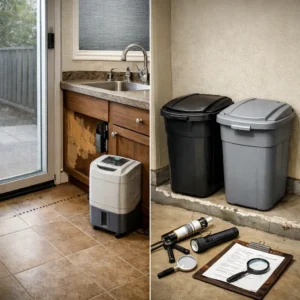
- Under sinks and behind appliances
- Cabinet corners and joints
- Drain openings and pipe connections
- Trash storage areas
- Signs of leaks or condensation
Common pest signs
- Cockroach droppings or egg cases
- Ant trails along walls or countertops
- Grease buildup attracting insects
- Persistent musty odors
Moisture-related issues here often worsen pest activity quickly.
Sleeping areas and living spaces
Bedrooms and living areas may show early signs of pests that originate elsewhere.
What to check
- Bed frames, mattresses, and headboards
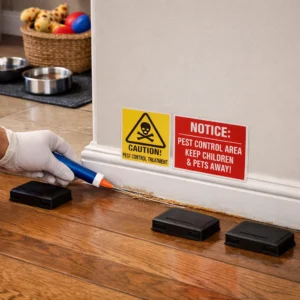
- Baseboards and wall edges
- Behind furniture
- Electrical outlets and wall openings
Common pest signs
- Bite marks or skin irritation
- Small blood stains on bedding
- Insect shells or skins
- Unusual nighttime activity
These signs often indicate pests have already moved beyond entry points.
Storage areas, garages, and utility rooms
Storage spaces are ideal hiding spots for pests because they are disturbed less often.
What to check
- Cardboard boxes and clutter
- Stored fabrics or paper products
- Utility connections and meters
- Floor corners and shelving units
Common pest signs
- Rodent gnaw marks
- Droppings behind stored items
- Insect nests or webs
- Damaged packaging
Reducing clutter here lowers pest risk significantly.
Evidence guide: what pest signs really mean
Understanding evidence helps you decide whether action is urgent.
- Droppings: Often indicate active rodent infestation
- Gnaw marks: Suggest rodents damaging structures or wiring
- Mud tubes: Strong termite indicator
- Wings or shells: Signs of insect reproduction cycles
- Mold or damp smells: Moisture problems that attract pests
Multiple signs in different zones usually mean the issue is established.
Seasonal and regional considerations
Pest activity changes with seasons and climate. In warmer regions, pests may remain active year-round, while seasonal shifts can influence breeding patterns.
Consider:
- Increased insect activity during warmer months
- Rodents seeking shelter during cooler periods
- Moisture buildup after heavy rains or humidity changes
- Higher risk near food businesses or waste areas
Adjust inspection frequency based on these factors.
DIY inspection versus professional inspection
A DIY pest inspection checklist is useful for early detection and routine monitoring.
DIY inspection is usually enough when:
- No active infestation signs are present
- You are performing routine checks
- The property is small and low-risk
Professional inspection is recommended when:
- Multiple signs appear across zones
- Structural pests are suspected
- Rodents are active
- Health or compliance risks exist
Professionals use specialized tools and experience to detect hidden issues.
Pricing and inspection scope expectations
Pest inspection pricing varies depending on property type, size, and findings. A basic inspection for residential properties may be included in treatment services or offered at a fixed fee, while detailed inspections for commercial or high-risk properties are usually quoted separately.
Inspection scope may include:
- Visual assessment of all accessible zones
- Identification of pest type and severity
- Moisture and structural risk evaluation
- Written findings or recommendations
Costs increase if advanced detection or extensive reporting is required.
Supporting tools to improve inspection accuracy
To improve retention and usability, many people find value in:
- Printable or downloadable pest inspection checklists
- Simple self-assessment risk scoring
- Visual diagrams showing entry points
- Photo references of pest evidence
These tools help ensure inspections are consistent and thorough.
When inspection findings should not be ignored
If your pest inspection checklist reveals ongoing activity, structural damage, or moisture issues, delaying action increases risk.
Consequences of ignoring findings include:
- Escalating repair costs
- Health risks for occupants
- Property value reduction
- Operational disruptions
Early intervention is always the safer and more cost-effective choice.
Conclusion
A structured pest inspection checklist helps protect health, property, and long-term costs. By inspecting zone by zone, understanding evidence, and knowing when to involve professionals, you can catch problems early and prevent minor issues from becoming major ones.