Pest problems in apartments often behave differently from those in standalone houses. Limited space, shared walls, and connected building systems mean pests can move between units without being seen. Because of this, a pest inspection for apartment settings is not just about checking one room or reacting to visible insects, but about understanding how pests travel, hide, and survive within a multi-unit environment.
This article explains how pest inspections for apartments differ from houses, why shared-wall risks matter, how tenant and landlord responsibilities are usually divided, what residents should prepare before an inspection, why inspecting only one unit is often ineffective, which areas inspectors focus on for different pests, and what warning signs professionals look for. It also covers how to evaluate an inspector’s credibility and tools, safety considerations in small or poorly ventilated apartments, general pricing factors without exact figures, guidance for pre-move-in inspections, key questions to ask property managers, and simple preventive actions tenants can take to reduce future pest risks.
Table of Contents
ToggleWhy pest inspection for apartment units is different from houses
Apartment buildings function as connected ecosystems. Unlike houses, where pest activity is usually confined within one structure, apartments share walls, ceilings, floors, plumbing lines, electrical conduits, and ventilation systems. These shared elements create pathways that pests can use to move freely between units.
In a house, a pest inspection often focuses on external entry points such as doors, windows, rooflines, and gardens. In an apartment, inspectors must think vertically and laterally, considering how pests may enter from neighboring units or common areas.
Key differences include:
- Shared walls that allow insects to move through cracks and voids
- Common plumbing and drainage lines that attract cockroaches and rodents
- Centralized garbage rooms or chutes
- Shared corridors, stairwells, and service shafts
- Limited ventilation that can trap moisture
Because of these factors, a pest inspection for apartment living requires a broader perspective than a typical house inspection.
Shared-wall risks and hidden pest pathways
One of the biggest challenges in apartment pest inspections is identifying hidden pathways. Pests rarely enter directly through the front door. Instead, they move through areas that residents never see.
Common hidden pathways include:
- Gaps behind kitchen cabinets and bathroom vanities
- Openings around plumbing pipes under sinks
- Electrical outlets and switch boxes
- Ceiling voids and false ceilings
- Floor gaps near skirting boards
Cockroaches, ants, and rodents are especially skilled at using these routes. During a pest inspection for apartment units, inspectors often remove access panels or use tools to see inside these concealed spaces.
Why inspecting only one apartment unit may be ineffective
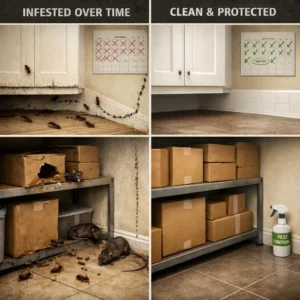
One of the most common frustrations for apartment residents is repeated pest activity even after treatment. This often happens because only one unit was inspected or treated.
Inspecting only a single unit may be ineffective because:
- The pest source may be in a neighboring apartment
- Breeding sites may exist in shared areas
- Pests may retreat temporarily and return later
- Structural gaps may remain untreated
A thorough pest inspection for apartment buildings often includes recommendations for inspecting adjacent units, common areas, or service spaces when pest movement is suspected.
Tenant versus landlord responsibilities during pest inspections
Responsibility for pest inspections in apartments often depends on local regulations, lease agreements, and the type of pest involved.
In general:
- Landlords are usually responsible for building-wide issues and structural defects
- Tenants are often responsible for hygiene and reporting issues early
- Common area infestations are typically managed by property management
- Recurring infestations may require joint action
A pest inspection for apartment units typically results in a report that documents findings, affected areas, and possible sources. This documentation is often used to clarify responsibility and plan next steps.
How inspection findings are typically documented
Professional pest inspections usually include written documentation. This is especially important in apartment settings where multiple parties may be involved.
Inspection reports often include:
- Identified pest types
- Areas of activity or damage
- Possible entry points or breeding zones
- Contributing conditions such as moisture or clutter
- Recommended actions or treatments
For tenants, these reports can help communicate issues clearly with landlords or property managers.
What residents should prepare before a pest inspection
Preparation helps inspectors work efficiently and improves inspection accuracy.
Before a pest inspection for apartment units, residents should:
- Clear access to kitchens, bathrooms, and storage areas
- Remove items blocking sinks, drains, and corners
- Note recent pest sightings and locations
- Inform inspectors of past treatments if any
- Secure pets if required
Proper preparation allows inspectors to focus on problem areas without obstruction.
Common inspection focus areas for different pests
Different pests leave different signs, and inspectors adjust their focus accordingly.
Cockroaches
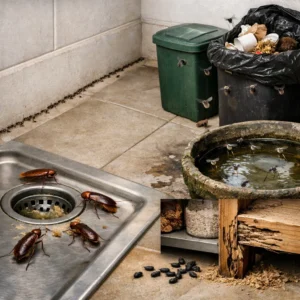
Inspectors focus on kitchens, bathrooms, drains, and warm appliances. Signs include droppings, egg cases, and greasy smear marks.
Bed bugs
Inspection focuses on mattresses, bed frames, furniture seams, and wall cracks. Inspectors look for live bugs, shed skins, and small blood stains.
Ants
Ant inspections track trails back to entry points and nesting areas, often behind walls or under flooring.
Rodents
Inspectors look for droppings, gnaw marks, noises, and rub marks along walls and baseboards.
Termites
Inspection targets wooden structures, door frames, and skirting boards, checking for hollow sounds or mud tubes.
Warning signs inspectors look for
During a pest inspection for apartment units, inspectors look beyond visible pests.
Common warning signs include:
- Unusual odors
- Moisture buildup or leaks
- Cracks and gaps in walls or flooring
- Damaged wood or insulation
- Evidence of previous infestations
These indicators help determine the severity and origin of the problem.
How to evaluate an inspector’s credibility and tools
Not all pest inspections are equal. A credible inspector should demonstrate professionalism and transparency.
Key credibility indicators include:
- Clear explanation of inspection steps
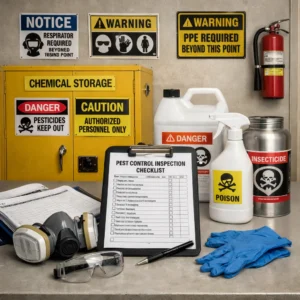
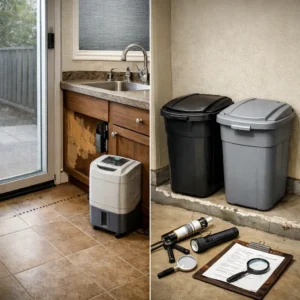
- Use of proper inspection tools such as flashlights or monitoring devices
- Willingness to answer questions
- Written findings or reports
- Focus on identification before treatment
An inspector who rushes or avoids explanation may not provide a thorough assessment.
Safety considerations in small or poorly ventilated apartments
Apartment inspections must account for limited space and ventilation.
Safety considerations include:
- Minimizing chemical exposure
- Ensuring proper airflow during treatment
- Using targeted methods instead of broad spraying
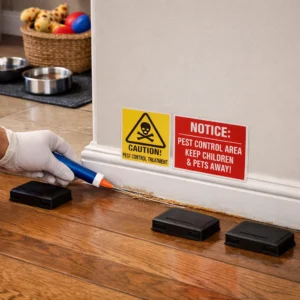
- Clear guidance on re-entry and ventilation
These considerations are especially important for children, pets, and individuals with respiratory sensitivities.
General pricing factors without exact amounts
The cost of a pest inspection for apartment units varies depending on several factors.
Pricing is usually influenced by:
- Apartment size and layout
- Type of pest suspected
- Inspection depth and tools used
- Whether follow-up inspection is needed
- Building complexity and access
Inspections are often priced separately from treatment, especially when detailed reporting is required.
Pre-move-in pest inspection guidance
Pre-move-in inspections help identify potential problems before furniture and belongings are brought in.
During a walkthrough, look for:
- Signs of previous pest treatment
- Cracks around baseboards and pipes
- Moisture damage or leaks
- Unusual smells
- Evidence of pest activity
Requesting a pest inspection for apartment units before moving in can prevent unexpected issues later.
Key questions to ask property managers
Clear communication with property management helps reduce risk.
Important questions include:
- When was the last building-wide pest inspection?
- How are pest issues usually handled?
- Are neighboring units inspected when needed?
- Who is responsible for follow-up treatment?
Simple preventive actions tenants can take
Prevention plays a major role in reducing pest risks.
Tenants can help by:
- Keeping food sealed and areas clean
- Reporting leaks promptly
- Reducing clutter
- Sealing small gaps where possible
- Reporting pest activity early
A practical next step if pest activity continues
Pest problems in apartments rarely resolve without proper assessment. When signs persist, a professional pest inspection for apartment settings helps identify the source and prevent escalation.
First Station Pest Control Services conducts structured apartment inspections that account for shared-wall risks, building pathways, and safety considerations. If you are unsure whether an inspection is needed or how to proceed with management or landlords, using the WhatsApp or Call button at the top of the page allows you to discuss the situation calmly and understand the next steps.
Conclusion
A pest inspection for apartment units is about understanding how pests move, where they hide, and why they appear. By recognizing shared-wall risks, preparing properly, evaluating inspectors carefully, and taking preventive steps, tenants and property managers can reduce pest problems and protect living conditions over the long term.