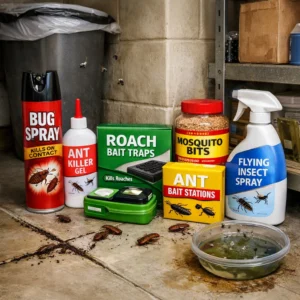
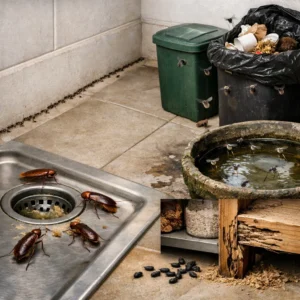
Pest problems often trigger immediate concern, especially when they appear in living spaces where families, pets, and food are present. The idea of insects, rodents, or other unwanted organisms sharing the same environment can be unsettling and stressful. This is why effective pest elimination is not only about removing pests, but also about restoring a sense of safety, comfort, and peace of mind inside the home or workplace.
This article explains pest elimination in a clear and practical way. It covers safety considerations from the very beginning, the impact of proper elimination on health and daily comfort, basic pest biology to help you understand why infestations happen, identification of common pests and the risks they pose, a structured approach to elimination, an honest comparison between DIY methods and professional services, general pricing considerations without exact numbers, long-term prevention strategies, and common myths that often lead to ineffective or repeated infestations.
Table of Contents
ToggleImmediate reassurance and safety considerations
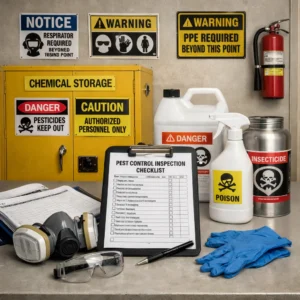
When pests are discovered, the first concern for most people is safety. Families worry about children touching contaminated surfaces, pets being exposed to chemicals, and food becoming unsafe. These concerns are valid and should always be addressed before any elimination steps are taken.
Effective pest elimination always starts with safety-first thinking:
- Identifying areas where children and pets spend the most time
- Protecting food preparation and storage areas
- Understanding which products or methods are safe for indoor use
- Avoiding overuse or mixing of household chemicals
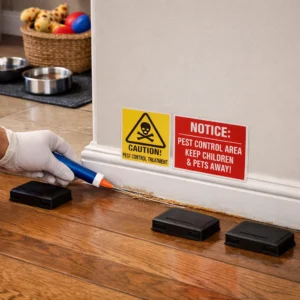
Professional pest elimination methods are designed to minimize risk by using targeted applications and controlled techniques. Even when non-professional steps are taken, safety should never be compromised for speed or convenience.
The health, comfort, and peace-of-mind impact of pest elimination
Pests affect more than just cleanliness. Their presence can directly and indirectly impact health and well-being. Cockroaches and rodents can carry bacteria, bed bugs can cause skin reactions and sleep disruption, and dust mites or mold-related pests can aggravate respiratory issues.
Beyond physical health, there is also a psychological impact. Constant worry, loss of sleep, embarrassment, and stress are common when pest problems persist. Effective pest elimination helps restore:
- A sense of cleanliness and control
- Better sleep and daily comfort
- Confidence in food and surface safety
- Peace of mind for families and occupants
This emotional and mental relief is often overlooked but is one of the most important benefits of proper pest elimination.
Basic pest biology: why infestations grow quickly
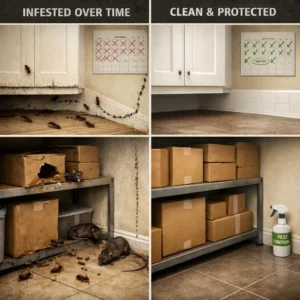
Understanding basic pest biology helps explain why infestations can escalate faster than expected. Many pests have short life cycles and reproduce rapidly under favorable conditions.
Key biological factors include:
- Fast breeding cycles: Some insects can reproduce within weeks, leading to exponential population growth.
- Hidden nesting behavior: Pests often nest in walls, ceilings, drains, furniture, or soil.
- Nocturnal activity: Many pests are active at night, making them harder to detect early.
- Adaptability: Pests quickly adapt to changes and may avoid ineffective treatments.
Because of these biological traits, eliminating only visible pests rarely solves the problem. Successful pest elimination must address the entire life cycle, not just adult pests.
Hidden entry points and how pests get inside
Pests rarely enter homes or buildings through obvious openings. They use small, often overlooked access points that allow them to move freely between spaces.
Common hidden entry points include:
- Cracks around doors and windows
- Gaps around pipes and cables
- Drainage systems and floor traps
- Roof edges and ventilation openings
- Shared walls and ceilings in multi-unit buildings
Identifying and sealing these entry points is a critical part of pest elimination and long-term prevention.
Common pests and the risks they pose
Cockroaches
Cockroaches are known for spreading bacteria and contaminating food surfaces. They can trigger allergies and asthma, particularly in children.
Rodents
Rats and mice pose serious health risks through contamination and can cause structural damage by chewing wires, insulation, and building materials.
Bed bugs
Bed bugs affect sleep and mental health. While they are not known to transmit disease, their bites and persistent presence cause significant distress.
Ants
Ants contaminate food and indicate larger hidden colonies. Some species can damage structures or cause painful bites.
Termites
Termites cause silent but severe structural damage. Their activity often goes unnoticed until significant harm has already occurred.
Mosquitoes and flies
Mosquitoes affect comfort and can transmit disease, while flies compromise hygiene, especially in food-related environments.
Dust mites and mold-related pests
These pests impact indoor air quality and respiratory health, particularly for individuals with allergies or asthma.
A structured pest elimination approach
Effective pest elimination follows a structured process rather than random or repeated treatments.
Inspection
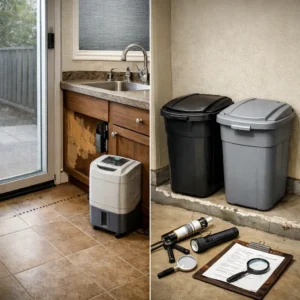
The first step is a thorough inspection to identify the pest species, infestation level, nesting areas, and entry points.
Treatment
Treatment is tailored to the specific pest and environment. This may involve targeted applications, traps, exclusion methods, or environmental adjustments.
Follow-up
Follow-up ensures that treatment has worked and addresses any remaining activity. Some pests require multiple stages of elimination due to their life cycles.
This structured approach increases effectiveness and reduces the chance of recurrence.
DIY methods versus professional pest elimination
DIY pest elimination methods can be useful in very early stages or for minor issues. Cleaning, sealing entry points, and removing attractants can reduce pest activity.
DIY methods may be sufficient when:
- The infestation is small and recently noticed
- The source of the problem is clear and easy to address
- No vulnerable occupants are at risk
However, professional pest elimination becomes necessary when:
- Pests return repeatedly after DIY treatment
- Multiple rooms or units are affected
- Nests are hidden or inaccessible
- Health or safety risks are present
Professionals bring experience, proper equipment, and knowledge of pest behavior that DIY methods often lack.
General pricing considerations and cost factors
Pest elimination costs vary depending on several factors. Understanding these factors helps set realistic expectations.
Common cost considerations include:
- Type of pest involved
- Size and layout of the property
- Severity and duration of the infestation
- Indoor versus outdoor treatment needs
- Number of treatment stages required
Basic treatments for common pests typically cost less than specialized or structural pest elimination. In many cases, early intervention reduces overall cost by limiting spread and damage.
Prevention and maintenance after pest elimination
Successful pest elimination does not end with treatment. Prevention and maintenance are essential to keep pests from returning.
Effective prevention strategies include:
- Sealing cracks, gaps, and entry points
- Maintaining proper sanitation and waste management
- Reducing moisture through repairs and ventilation
- Storing food properly and cleaning spills promptly
- Monitoring seasonal pest activity
Natural deterrents and environmental adjustments can also support long-term control when used correctly.
Myth-busting common pest elimination mistakes
Many pest elimination myths lead to frustration and repeated infestations.
- Myth: One treatment is always enough.
Reality: Many pests require follow-up due to life cycles. - Myth: Stronger chemicals work better.
Reality: Incorrect use increases risk without improving results. - Myth: No pests visible means the problem is gone.
Reality: Hidden nests may still be active.
Using checklists, diagrams, or visual inspections helps ensure that no critical steps are missed during elimination.
Conclusion
Effective pest elimination is about more than removing pests. It is about protecting health, restoring comfort, and preventing future problems. By understanding pest behavior, choosing the right elimination approach, knowing when DIY is enough and when professional help is necessary, and maintaining good prevention habits, pest problems can be managed responsibly and effectively.