Pest problems often leave more behind than what is immediately visible. Even after insects or rodents are removed, questions remain about safety, hygiene, lingering odors, and the risk of pests returning. This is where pest clean solutions become an essential part of recovery, not just an optional follow-up. Proper cleaning helps confirm that a space is safe to use again, removes hidden triggers that attract pests, and restores a sense of comfort and control.
This article explains how pest clean solutions work in real situations, starting from immediate safety checks and pest identification, moving through the difference between surface cleaning and deep cleaning, comparing eco-friendly and professional-grade approaches, and ending with long-term prevention strategies. The goal is to help you move from post-infestation stress to a clean, safe, and pest-resistant environment.
Table of Contents
ToggleImmediate safety and hygiene concerns after a pest issue
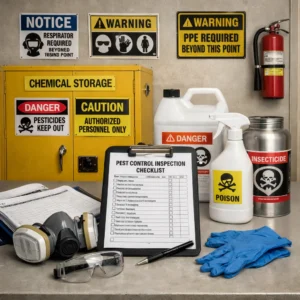
After a pest problem is discovered or treated, the first concern is usually whether the space is safe to use. This applies to homes, offices, shops, restaurants, and storage areas alike. Safety is not only about the absence of live pests, but also about contamination, waste, and residual traces left behind.
Key safety questions to address immediately include:
- Are food preparation and storage areas contaminated?
- Are there droppings, shed skins, or nesting materials present?
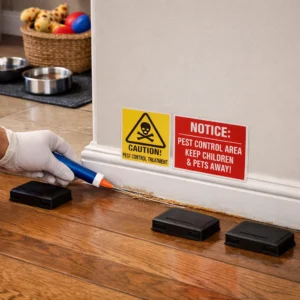
- Were chemicals or treatments applied that require ventilation or waiting time?
- Are children, pets, or sensitive individuals at risk?
Effective pest clean solutions start by isolating affected areas, removing obvious waste, and ensuring proper ventilation. Only after these steps should normal use of the space resume.
Confirming the type of pest through clear identification
Before cleaning begins in full, it is important to confirm what type of pest was involved. Different pests leave different traces, and misidentification can lead to incomplete cleaning and higher risk of reinfestation.
Basic identification clues include:
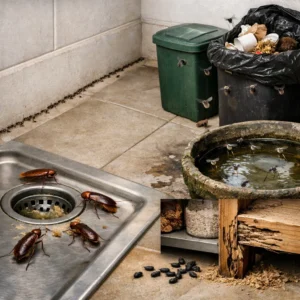
- Cockroaches: Greasy smear marks, droppings resembling coffee grounds, strong musty odor
- Rodents: Pellet-shaped droppings, gnaw marks, shredded materials
- Bed bugs: Small dark spots on mattresses, shed skins, sweet or musty odor
- Ants: Visible trails, fine soil near entry points
- Flies: Maggots near waste, spotting on walls and surfaces
Correct identification ensures that pest clean solutions target the right areas and address the specific biological markers left behind.
Surface cleaning versus deep cleaning
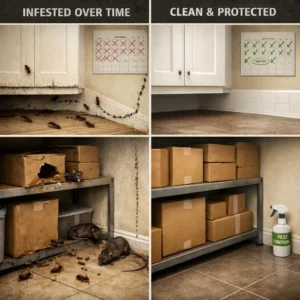
One of the most common mistakes after a pest issue is relying only on surface cleaning. While wiping visible surfaces may improve appearance, it rarely removes the underlying triggers that attract pests.
What surface cleaning usually covers
Surface cleaning focuses on visible areas such as:
- Countertops and tables
- Floors and accessible wall areas
- Open shelves and cabinets
- Trash bins
This level of cleaning is helpful for hygiene but insufficient for pest prevention on its own.
What deep cleaning addresses
Deep cleaning goes beyond what is immediately visible and is a core component of effective pest clean solutions. It targets areas pests use to travel, hide, or communicate.
Commonly overlooked areas include:
- Behind appliances such as refrigerators and ovens
- Inside cabinet hinges and drawer tracks
- Under sinks and plumbing access points
- Baseboards, corners, and wall-floor junctions
- Vent covers, drains, and ceiling fixtures
Deep cleaning is essential for breaking pest behavior cycles, not just improving appearance.
The importance of removing pheromone trails
Many pests, especially insects like ants and cockroaches, rely on pheromone trails to communicate. These invisible chemical signals guide other pests to food, water, and shelter.
If pheromone trails are not removed, pests can return even after treatment. This is why pest clean solutions focus on:
- Using appropriate cleaning agents to break chemical trails
- Cleaning along common movement paths, not just nesting areas
- Repeating cleaning in high-traffic pest zones
Removing pheromone trails is one of the most overlooked yet critical steps in preventing reinfestation.
Eco-friendly cleaning approaches
Eco-friendly pest clean solutions are often preferred in homes with children, pets, or sensitive occupants. These approaches focus on reducing chemical exposure while maintaining hygiene.
General characteristics of eco-friendly cleaning include:
- Low-toxicity or non-toxic cleaning agents
- Emphasis on mechanical removal such as scrubbing and vacuuming
- Use of steam or heat where appropriate
- Odor control through natural neutralization rather than masking
Eco-friendly methods are suitable for light to moderate contamination and as part of ongoing maintenance.
Professional and industrial-grade cleaning approaches
In cases of heavy infestation, commercial environments, or health-sensitive spaces, professional-grade pest clean solutions may be necessary. These methods are designed for deeper penetration and higher contamination levels.
Professional approaches may involve:
- Specialized equipment for deep extraction and sanitation
- Targeted disinfectants approved for pest-related contamination
- Odor neutralization systems for persistent smells
- Structured cleaning protocols based on pest type
These solutions are typically chosen when hygiene standards must meet regulatory or operational requirements.
Cost considerations without focusing on products
While specific prices vary, understanding cost considerations helps set expectations. Pest clean solutions are usually influenced by:
- Size of the affected area
- Type of pest involved
- Level of contamination
- Required depth of cleaning
- Residential versus commercial setting
Light cleaning after a minor issue generally costs less than deep sanitation after a severe infestation. Investing in thorough cleaning early often reduces long-term costs by preventing repeat problems.
Psychological reassurance and restoring peace of mind
Even after pests are removed and cleaning is complete, many people experience lingering anxiety. This psychological aspect is often underestimated but is a key part of pest clean solutions.
The “all-clear” checklist
An all-clear checklist helps confirm that the space is safe and ready for normal use:
- No visible pest activity for a defined period
- No droppings, skins, or nesting materials
- Surfaces cleaned and disinfected
- Odors neutralized, not masked
- Entry points identified and addressed
Checking these items provides reassurance and confidence.
Odor neutralization
Odors left by pests or treatments can trigger stress and discomfort. Effective pest clean solutions focus on neutralizing odors at the source rather than covering them up.
This may involve:
- Deep cleaning of absorbent materials
- Ventilation and air circulation
- Targeted odor-neutralizing methods
A neutral-smelling space signals closure and recovery.
Preventative measures to avoid future infestations
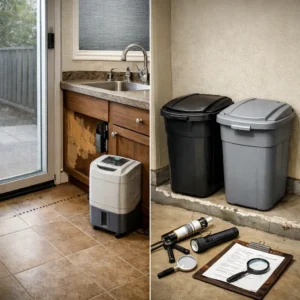
Cleaning alone is not enough to prevent pests from returning. Prevention must follow an inside-out approach, starting with immediate cleanup and extending to long-term pest-proofing.
Entry-point sealing
Common entry points include:
- Cracks around doors and windows
- Gaps around pipes and cables
- Damaged screens or vents
Sealing these areas reduces access and supports pest clean solutions.
Sanitation habits
Consistent sanitation is critical:
- Regular waste removal
- Prompt cleanup of spills
- Proper food storage
Seasonal awareness
Pest activity often changes with seasons. Increased vigilance during warmer months or rainy periods helps catch issues early.
Long-term pest-proofing
Long-term strategies include:
- Routine inspections
- Periodic deep cleaning in high-risk areas
- Monitoring for early warning signs
This layered approach turns pest clean solutions into a sustainable system rather than a one-time reaction.
From cleanup to control
Pest clean solutions are not just about removing mess after an infestation. They play a critical role in confirming safety, restoring hygiene, breaking pest behavior patterns, and preventing future problems. By combining proper identification, deep cleaning, appropriate treatment methods, psychological reassurance, and long-term prevention, it is possible to regain both physical and mental comfort.
A clean space is not only one that looks good, but one that no longer supports pest activity. When cleanup and prevention work together, pest problems are far less likely to return.
Conclusion
Pest clean solutions bridge the gap between pest removal and long-term protection. Addressing safety, hygiene, deep cleaning, odor control, and prevention creates an environment that is truly pest-resistant. With the right approach, it is possible to move confidently from post-infestation stress to lasting peace of mind.