Pest problems often come with uncertainty, and one of the biggest questions people have is cost. When looking for a pest control prices list, most people are not just searching for numbers. They want to understand what they are paying for, why prices can vary so much, and how to avoid unexpected charges later. Clear pricing information helps homeowners and business owners plan better, compare options fairly, and make decisions with confidence.
This article explains how pest control pricing is usually structured, what types of services are commonly included, which factors influence price differences, how DIY approaches compare with professional services, how regional conditions can affect costs, and what pricing red flags to watch out for. The goal is to help you understand pest control pricing in a practical and realistic way, even without relying on a simple list of figures.
Table of Contents
ToggleHow pest control pricing is usually structured
Pest control pricing is rarely based on a single flat rate. Instead, it is typically structured around the type of service, the frequency of treatment, and the level of risk involved. Understanding these structures makes a pest control prices list easier to interpret.
Most pest control services fall into a few common categories:
- One-time treatments: Designed to address a specific, limited infestation.
- Initial or first-visit treatments: More comprehensive services aimed at stopping active infestations.
- Ongoing maintenance plans: Regular visits to prevent pests from returning.
Each category serves a different purpose, and the pricing reflects the scope of work involved.
One-time pest control treatments
One-time treatments are usually chosen when the pest issue appears small or isolated. These services focus on addressing visible activity and applying basic control measures.
In a typical pest control prices list, one-time treatments usually include:
- A basic inspection of the affected area
- Identification of the pest type
- Targeted treatment in specific locations
- General advice on prevention
Because one-time treatments are limited in scope, they are often priced lower than other options. However, they may not be suitable for recurring or hidden infestations, and follow-up services may still be needed.
Initial visits and comprehensive treatments
Initial or comprehensive treatments are designed for active infestations that require more than a surface-level solution. These services are more detailed and are commonly the main reference point in a pest control prices list.
An initial visit usually includes:
- Thorough inspection of the property
- Identification of entry points and nesting areas
- Assessment of infestation severity
- Application of targeted treatment methods
- Clear guidance on preparation and aftercare
Pricing for these services is generally higher than one-time treatments because of the time, materials, and expertise involved. The goal is not only to reduce current pest activity but also to lower the risk of reinfestation.
Ongoing maintenance and preventive plans
Ongoing maintenance plans are often chosen by businesses, property managers, and homeowners who want long-term protection. In a pest control prices list, these plans are usually presented as periodic services rather than single visits.
Maintenance plans typically include:
- Scheduled inspections at regular intervals
- Preventive treatments before infestations grow
- Monitoring of high-risk areas
- Priority response if pest activity is detected
While the cost is spread over time, maintenance plans often provide better overall value because they reduce the likelihood of major infestations and unexpected expenses.
What factors influence pest control pricing
No two properties are exactly the same, which is why pest control pricing varies. A pest control prices list usually reflects base expectations, but the final cost depends on several key factors.
Property size and layout
Larger properties require more time, materials, and coverage. Apartments, villas, offices, and warehouses all present different challenges. Complex layouts, multiple floors, or hard-to-access areas can increase the scope of work.
Severity of infestation
A light infestation caught early is usually easier and less costly to manage than a widespread problem. Severe infestations often require repeated treatments, specialized methods, or follow-up visits.
Type of pest
Different pests require different treatment approaches. For example, insects that nest inside walls, rodents that damage wiring, or pests that pose health risks often require more specialized handling. This affects both the time and resources needed.
Indoor versus outdoor treatment
Outdoor treatments, such as gardens or surrounding areas, may involve larger coverage zones and environmental considerations. These factors can influence pricing compared to indoor-only services.
What is generally included in professional pest control pricing
Understanding what is included helps you evaluate whether a pest control prices list represents good value or not.
Professional pest control pricing usually covers:
- Inspection and assessment
- Use of approved treatment products
- Application by trained technicians
- Basic safety guidance
- Post-treatment recommendations
Some services also include limited follow-up visits or monitoring, depending on the agreement.
DIY pest control versus professional services
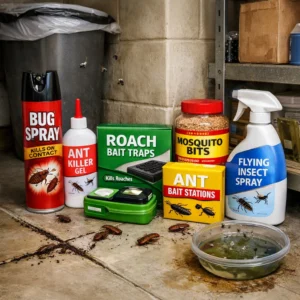
DIY pest control products are widely available and often appear cheaper at first glance. However, cost comparisons in a pest control prices list should consider long-term value, not just upfront expense.
Cost considerations for DIY approaches
DIY methods may involve purchasing sprays, traps, or repellents multiple times. If the infestation persists, repeated purchases can add up. There is also the risk of incorrect application, which may worsen the problem.
Value considerations for professional services
Professional services offer:
- Accurate pest identification
- Targeted treatment methods
- Safer application practices
- Reduced risk of reinfestation
- Clear accountability
While professional services may cost more initially, they often save money over time by preventing repeat infestations and property damage.
How location and regional conditions affect pricing
Regional factors play a significant role in pest control pricing. A pest control prices list can vary depending on local conditions.
Factors influenced by location include:
- Climate and seasonal pest activity
- Local labor and operational costs
- Municipality regulations and compliance requirements
- Availability of licensed technicians
In regions with year-round pest activity, pricing may reflect the need for continuous prevention rather than seasonal treatment.
Understanding follow-ups and warranties
Some pest control services include follow-ups or limited warranties. These are often misunderstood when reviewing a pest control prices list.
Common follow-up practices include:
- Re-inspection after a set period
- Additional treatment if activity persists
- Optional maintenance upgrades
Warranties usually depend on pest type, treatment method, and compliance with preparation guidelines.
Common pricing red flags to watch out for
Not all pest control pricing is transparent. Being aware of red flags helps you avoid unexpected costs.
Common warning signs include:
- Prices quoted without inspection
- Unclear contract terms
- Extra charges added after treatment
- Pressure to sign long-term contracts
- Use of unlicensed or unapproved services
A reliable provider explains pricing clearly before any work begins and answers questions openly.
Hidden fees and how to avoid them
Hidden fees can appear in the form of additional visits, specialized treatments, or contract clauses. To avoid surprises, always ask what is included and what may cost extra.
Clear communication before treatment is key to avoiding misunderstandings.
A practical way to use a pest control prices list
A pest control prices list should be treated as a guide, not a final contract. It helps you understand typical structures, compare service levels, and prepare questions before booking.
For the most accurate and current pricing, it is always best to review the official pricing page and confirm details directly with the service provider, as conditions and requirements can change.
Conclusion
Understanding a pest control prices list is about more than numbers. By knowing how pricing is structured, what factors influence cost, how DIY compares to professional services, and what red flags to avoid, you can make informed decisions with confidence. Clear expectations and transparent communication are the foundation of effective and responsible pest control.