When pest problems appear, one of the first things many people look for is pest control quotes. This is usually not a casual search. It often happens when pests are already active, stress levels are high, and there is uncertainty about how serious the problem might become. At this stage, understanding how pest control quotes are formed can make a significant difference between choosing a service that truly solves the issue and one that only provides short-term relief.
This article explains what typically influences pest control quotes, how pricing structures are usually presented, why quotes can vary widely even for similar problems, and how service frequency affects overall cost. It also highlights common red flags to watch out for, offers reassurance with simple steps you can take while waiting for service, and explains why professional pest control quotes may reflect better long-term value compared to DIY solutions.
Table of Contents
ToggleWhy pest control quotes can vary so much
One of the most confusing aspects of pest control is that quotes can differ significantly from one provider to another. This does not always mean one company is overcharging or another is undercharging. In many cases, the difference reflects what is included in the service and how thoroughly the problem is being addressed.
Pest control quotes are rarely based on a single factor. Instead, they are usually built around a combination of conditions that affect the scope and complexity of the work.
The type of pest involved
The type of pest is one of the biggest factors influencing pest control quotes. Different pests require different treatment methods, equipment, and levels of expertise.
For example:
- Insects such as cockroaches or ants often require targeted treatments and monitoring of entry points.
- Bed bugs usually need more intensive, room-by-room treatment and careful follow-up.
- Rodents may involve trapping, baiting, and exclusion work.
- Termites require specialized inspection and treatment due to the risk of structural damage.
- Mold-related pest issues often involve area-based treatment rather than spot application.
Because each pest behaves differently, pest control quotes reflect the level of effort required to control the infestation properly rather than simply removing visible pests.
Property size and layout
The size and layout of the property play a major role in pest control quotes. Larger properties generally require more time, materials, and coverage.
However, size alone is not the only consideration. Layout also matters. A smaller property with multiple rooms, storage areas, or hidden spaces can require more work than a larger but open-plan space.
Factors related to property size and layout include:
- Total area that needs treatment
- Number of rooms or units
- Presence of false ceilings or wall cavities
- Indoor versus outdoor treatment areas
- Accessibility of affected zones
This is why many professional pest control quotes are provided after inspection rather than over the phone.
Severity of the infestation
Not all infestations are equal. Two homes with the same type of pest may receive very different pest control quotes depending on how severe the problem is.
Severity is usually assessed based on:
- Frequency of pest sightings
- Extent of spread across rooms or areas
- Presence of nests, eggs, or breeding sites
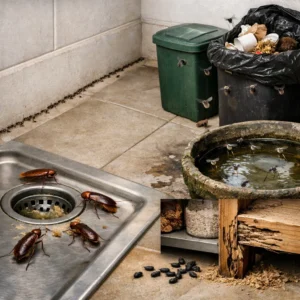
- Signs of long-term activity such as damage or droppings
- Previous failed treatments
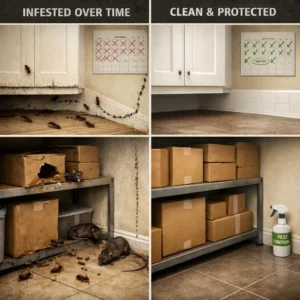
A mild, early-stage infestation often requires less intensive treatment than one that has been active for weeks or months. Pest control quotes reflect this difference in effort and resources.
One-time service versus recurring treatment
Another major factor that influences pest control quotes is whether the service is a one-time treatment or part of a recurring plan.
One-time services are usually designed to address a specific, immediate problem. They may be suitable for isolated or early-stage infestations.
Recurring services, on the other hand, focus on long-term prevention and control. These plans often include scheduled inspections, follow-up treatments, and monitoring over time.
When comparing pest control quotes, it is important to understand:
- How many visits are included
- Whether follow-up treatments are covered
- The duration of the service period
- What happens if pests return between visits
While recurring services may appear more expensive upfront, they often provide better value by reducing the likelihood of reinfestation.
How pest control pricing is usually presented
Most professional pest control quotes are presented in a structured way rather than as a single unexplained number. Understanding this structure helps avoid confusion.
Typical pricing structures include:
- Base treatment cost depending on pest type
- Adjustments based on property size or area
- Additional charges for specialized treatments
- Optional add-ons such as monitoring or exclusion work
- Discounted rates for recurring plans
Rather than listing exact figures, many providers explain the range or factors that influence the final cost. This approach allows pricing to remain fair and accurate after inspection.
How service frequency affects overall cost
Frequency plays a key role in how pest control quotes are calculated. A single visit may address visible activity, but pests often return if underlying conditions remain.
With recurring services:
- Initial treatment may be more comprehensive
- Follow-up visits reinforce control
- Early signs of reinfestation are addressed quickly
- Long-term costs may be lower due to prevention
When reviewing pest control quotes, it is helpful to consider the total cost over time rather than focusing only on the first visit.
Common red flags to watch for in pest control quotes
Not all pest control quotes are created with the customer’s best interest in mind. Some warning signs suggest that a quote may not reflect quality or transparency.
Common red flags include:
- Vague descriptions of what the service includes
- No mention of inspection or assessment
- Unclear follow-up or retreatment policies
- Hidden charges for additional visits
- Lack of proper licensing or certification
A trustworthy pest control quote clearly explains the scope of work and sets realistic expectations.
Licensing and professionalism matter more than price alone
It can be tempting to choose the lowest pest control quote, especially when stress levels are high. However, price alone does not reflect quality, safety, or effectiveness.
Licensed and professional services ensure:
- Approved treatment methods are used
- Technicians are trained and accountable
- Safety standards are followed
- Regulatory compliance is maintained
Unlicensed or unclear services may cost less initially but often lead to repeated infestations and higher long-term expenses.
Simple steps you can take while waiting for service
Waiting for pest control service can be stressful. While professional treatment is essential for active infestations, there are basic steps you can take to reduce risk in the meantime.
Helpful actions include:
- Keeping food sealed and surfaces clean
- Reducing clutter and hiding places
- Fixing leaks and removing standing water
- Vacuuming affected areas where appropriate
- Avoiding overuse of household chemicals
These steps do not replace professional treatment, but they can help limit pest activity temporarily.
DIY solutions versus professional services
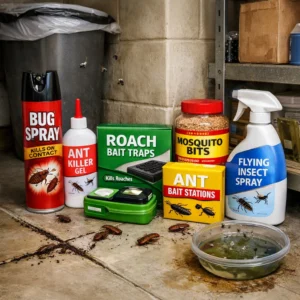
DIY pest control products are widely available and often appear cheaper. However, they usually address symptoms rather than root causes.
DIY approaches may work when:
- The infestation is very mild
- The pest source is obvious and accessible
- No health risks are involved
Professional pest control becomes the better option when:
- Pests return repeatedly
- Multiple areas are affected
- The pest type requires specialized treatment
- Safety and compliance are concerns
In these cases, pest control quotes that seem higher upfront often reflect better long-term value by preventing repeated treatments.
When a higher quote can mean better value
A higher pest control quote does not always mean overpricing. In many cases, it reflects a more comprehensive approach.
Better-value quotes often include:
- Detailed inspection and assessment
- Targeted treatment plans
- Follow-up visits or monitoring
- Clear safety protocols
- Professional accountability
Comparing pest control quotes based on what is included rather than just the number helps avoid disappointment.
A calm next step when reviewing pest control quotes
Feeling overwhelmed by pest control quotes is common, especially when pests are already causing disruption. Taking time to understand what influences pricing and what each quote includes helps reduce stress and leads to better decisions.
Professional services such as First Station Pest Control Services focus on inspection-led treatment, transparent communication, and realistic pricing explanations. If you are unsure how to compare pest control quotes or what level of service is appropriate, discussing your situation directly with a professional can clarify options before committing.
Conclusion
Pest control quotes are more than just numbers. They reflect the type of pest, property conditions, infestation severity, and service quality. By understanding how quotes are formed, recognizing red flags, and considering long-term value over short-term cost, you can choose pest control services that provide effective and lasting results.