pest eradication is a process that goes far beyond simply getting rid of what you can see. Whether you are dealing with insects, rodents, or other unwanted pests, true eradication means identifying the problem correctly, understanding why it happened, choosing the right treatment approach, and putting long-term prevention measures in place. When done properly, pest eradication restores comfort, protects health, and reduces the risk of the same issue returning in the future.
This guide walks you step by step through how pest eradication works in real situations. It starts with clear pest identification using visible signs, addresses common fears and myths around infestations, explains different levels of eradication from DIY to professional intervention, discusses pricing considerations without focusing on exact figures, and ends with practical prevention strategies so you feel informed, confident, and prepared to act.
Table of Contents
ToggleUnderstanding pest identification before eradication
Effective pest eradication always begins with correct identification. Treating the wrong pest wastes time, money, and often makes the situation worse. Many pests look similar at a glance, but their behavior, hiding places, and treatment methods differ significantly.
Identifying pests through visual cues
The most obvious sign is the pest itself. Seeing insects or rodents, especially repeatedly or during daytime hours, usually indicates an established problem. However, pests are often hidden, so indirect signs are just as important.
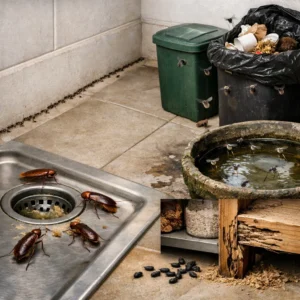
Common visual cues include:
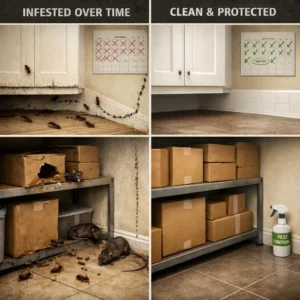
- Droppings along walls, under sinks, or inside cabinets
- Grease marks or smear trails near baseboards
- Chewed packaging, wires, or wood
- Holes, tunnels, or damaged furniture
- Shed skins, wings, or egg casings
These signs help narrow down the type of pest involved, which is critical for choosing the right eradication method.
Damage patterns and what they indicate
Different pests leave different damage patterns. Rodents often chew irregular holes and leave droppings shaped like grains of rice. Termites typically damage wood from the inside, leaving thin outer layers intact. Cockroaches leave dark droppings that resemble coffee grounds and may cause a persistent musty odor.
Understanding these patterns helps avoid misidentification and ineffective treatment.
Look-alike pests and common misidentification
Some pests are frequently confused with others. For example, ants are sometimes mistaken for termites, and small beetles can be confused with bed bugs. Misidentification often leads to using the wrong treatment, which allows the real infestation to grow.
When signs are unclear or conflicting, professional inspection can confirm the pest type before eradication begins.
Emotional reassurance and myth-busting
Discovering pests often causes stress, embarrassment, or panic. Many people assume an infestation means poor hygiene or neglect, but this is one of the most common myths around pest eradication.
Why infestations happen
Pests enter homes and businesses for simple reasons: food, water, and shelter. Even clean and well-maintained spaces can attract pests if conditions are favorable. Shared walls, drainage systems, deliveries, and surrounding environments all play a role.
Infestations are not a personal failure; they are an environmental issue.
Common myths about pests
Several myths make pest eradication more stressful than necessary:
- “Only dirty places get pests”
- “One spray will solve the problem”
- “If I don’t see them, they are gone”
- “Natural remedies always work”
In reality, pests are resilient, adaptive, and often hidden. Effective pest eradication requires understanding their behavior, not blaming yourself.
A tiered approach to pest eradication
Pest eradication is most effective when approached in levels. Not every situation requires the same intensity of treatment, but each level has clear limits.
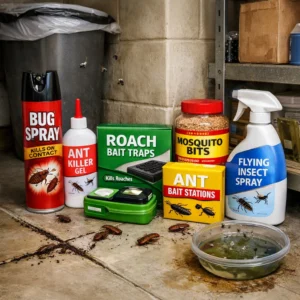
Level one: DIY and natural options
DIY or natural methods can be useful in very early stages or as supportive measures. These approaches focus on reducing attraction and disrupting pest activity.
Common DIY actions include:
- Sealing food in airtight containers
- Cleaning spills, crumbs, and grease promptly
- Fixing leaks and reducing moisture
- Using traps or barriers in limited areas
- Applying natural deterrents where appropriate
These steps can slow pest activity but rarely achieve full pest eradication when an infestation is established.
Level two: Chemical or professional-grade methods
When pests persist, stronger methods may be required. This includes professional-grade products, targeted application, and controlled use of chemicals.
At this level, treatment focuses on:
- Reaching hidden nests or breeding zones
- Breaking reproductive cycles
- Targeting specific pest behavior
Improper use of chemicals at this stage can increase health risks and cause pests to spread or become resistant.
Level three: When professional intervention is necessary
Professional pest eradication becomes necessary when:
- Pests return repeatedly after treatment
- Multiple rooms or units are affected
- Pests appear during daylight hours
- Health symptoms such as bites or allergies occur
- Structural damage is visible
Professionals combine inspection, targeted treatment, and prevention to achieve long-term results.
General pricing considerations in pest eradication
The cost of pest eradication varies widely depending on several factors. Understanding these factors helps set realistic expectations without focusing on exact numbers.
Common factors influencing cost include:
- Type of pest involved
- Size and layout of the property
- Severity and duration of the infestation
- Indoor versus outdoor treatment needs
- Follow-up visits or monitoring requirements
Early intervention is usually less costly, while advanced infestations often require more time, materials, and expertise.
Safety considerations during pest eradication
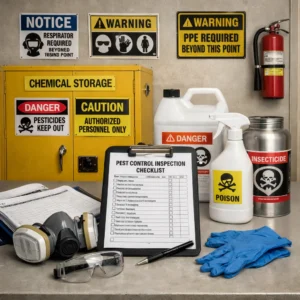
Safety is a critical part of pest eradication, especially in homes with children, pets, or sensitive occupants.
Key safety considerations include:
- Following preparation instructions before treatment
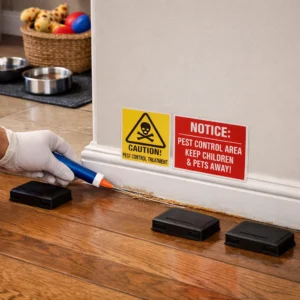
- Keeping children and pets away from treated areas
- Using traps and chemicals according to guidelines
- Ventilating spaces if required
- Storing products securely
Professional services are trained to balance effective eradication with minimal risk.
Seasonal patterns and preventive strategies
Pest activity often changes with the seasons. Understanding these patterns helps prevent reinfestation.
Seasonal awareness
Some pests become more active during warmer months, while others seek shelter indoors during cooler periods. Moisture levels, rainfall, and human activity also influence pest behavior.
Preventive measures after eradication
Long-term pest eradication depends on prevention. Effective strategies include:
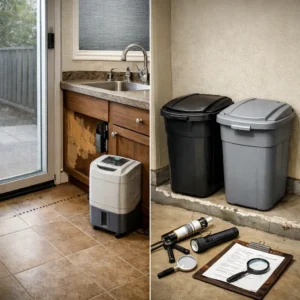
- Sealing cracks, gaps, and entry points
- Maintaining clean storage and waste areas
- Monitoring moisture and ventilation
- Scheduling periodic inspections
- Addressing early signs promptly
Prevention reduces the likelihood of reinfestation and protects the investment made in eradication.
From identification to eradication to long-term control
Successful pest eradication follows a clear progression. Identification ensures the right approach. Eradication removes the active problem. Prevention keeps it from coming back.
Skipping any step often leads to repeat infestations and frustration. By understanding the process and acting at the right time, pest problems become manageable rather than overwhelming.
When to move forward with confidence
Pest issues can feel intimidating, but they are solvable. Knowing how to identify pests, understanding why infestations happen, choosing the appropriate eradication level, and prioritizing safety allows you to take control of the situation calmly and effectively.
Whether you start with basic prevention or require professional pest eradication, informed decisions lead to better outcomes and long-term peace of mind.
Conclusion
pest eradication is not a single action but a thoughtful process. With clear identification, realistic expectations, appropriate treatment methods, and strong preventive habits, pests can be eliminated and kept from returning. Understanding this progression helps you act confidently and protect your space for the long term.