Dealing with a pest problem does not truly end when the insects or rodents are gone. After an infestation, many homes and businesses still face hidden health risks from bacteria, viruses, allergens, and contamination left behind by pests. This is where a pest control disinfection service becomes an essential part of recovery. It addresses not only physical cleanliness, but also the sense of safety and reassurance that people need after a pest issue has been resolved.
This article explains why disinfection is necessary after pest control, clearly separates pest elimination from disinfection as two different but connected phases, describes how professional disinfection is carried out in a transparent and easy-to-understand way, compares professional services with DIY approaches, outlines general pricing expectations without focusing on exact figures, explains what happens after the service through a post-treatment checklist, and shares practical prevention tips to reduce the risk of re-infestation.
Table of Contents
ToggleWhy disinfection is necessary after pest control
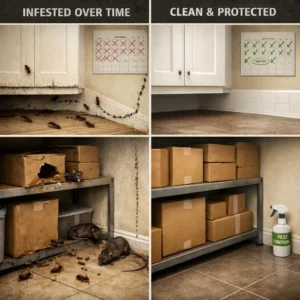
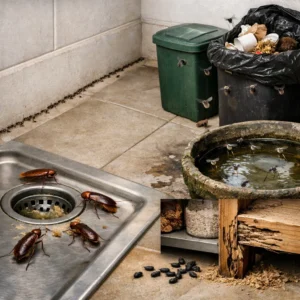
Pests do more than cause visible damage or discomfort. During an infestation, insects and rodents leave behind biological contaminants that are not always obvious to the naked eye. Even after pest control treatment successfully eliminates the pests themselves, these invisible risks can remain.
Common health risks left behind after an infestation include:
- Bacteria carried on pest bodies and droppings
- Viruses transmitted through contact with contaminated surfaces
- Allergens from shed skin, feces, and nesting materials
- Odors and residues that affect indoor air quality
- Contamination of food preparation and storage areas
For families, employees, or customers, these risks can cause lingering concerns even after pests are no longer visible. A pest control disinfection service helps restore hygiene and provides confidence that the environment is safe to occupy again.
Pest control versus disinfection: two different phases
It is important to understand that pest control and disinfection are not the same service. They serve different purposes and address different stages of the problem.
Pest control is the elimination phase. Its goal is to remove or neutralize pests through inspection, targeted treatment, and preventive measures. Once pests are controlled, the immediate threat is reduced, but the environment may still be contaminated.
Disinfection is the remediation phase. Its goal is to clean, sanitize, and neutralize harmful microorganisms and residues left behind by pests. This phase focuses on health protection, cleanliness, and restoring a safe living or working environment.
For a complete solution, both phases are required. Pest control without disinfection may leave health risks behind, while disinfection without pest control fails to address the source of contamination.
Situations where pest control disinfection service is strongly recommended
Not every pest issue requires the same level of remediation, but there are situations where professional disinfection becomes particularly important.
These situations include:
- Rodent infestations with visible droppings or nesting materials
- Heavy cockroach infestations in kitchens or bathrooms
- Bed bug infestations in bedrooms or accommodation facilities
- Pest activity in food preparation or storage areas
- Infestations in healthcare, childcare, or hospitality environments
In these cases, disinfection helps reduce health risks and supports compliance with hygiene expectations.
What a professional disinfection process usually involves
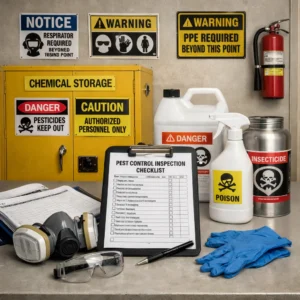
A professional pest control disinfection service follows a structured and controlled process designed to sanitize affected areas without causing unnecessary disruption.
Although methods may vary depending on the property and level of contamination, the general process includes:
- Assessment of affected areas after pest control treatment
- Selection of appropriate disinfectants based on risk and environment
- Preparation of spaces to ensure safe and effective application
- Professional application using controlled methods
- Post-treatment guidance for safe re-entry and use of the space
The goal is thorough coverage while maintaining safety for occupants and materials.
Professional application methods explained simply
Professional disinfection uses application methods that provide better coverage than manual cleaning alone. These methods are chosen based on the size of the space, level of contamination, and safety considerations.
Fogging
Fogging disperses disinfectant as a fine mist that can reach surfaces and corners that are difficult to clean manually. It is commonly used for rooms, apartments, and enclosed spaces.
Electrostatic spraying
Electrostatic spraying applies a charged disinfectant that evenly coats surfaces, including irregular shapes and hidden areas. This method improves coverage while using controlled amounts of disinfectant.
These methods are applied by trained professionals to ensure effectiveness and minimize exposure risks.
Eco-friendly and non-toxic disinfection options
Many modern pest control disinfection service providers offer eco-friendly or low-toxicity disinfectant options. These are designed to reduce health risks while still achieving effective sanitation.
Eco-conscious disinfection approaches may include:
- Low-odor or reduced-toxicity disinfectants
- Targeted application instead of excessive spraying
- Products approved for use in residential and sensitive environments
- Methods that minimize residue and chemical exposure
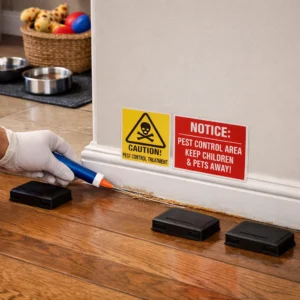
These options are especially important in homes with children or pets, as well as in offices, schools, and healthcare facilities.
Professional disinfection versus DIY approaches
Many people consider DIY disinfection after pest control, especially for small or mild infestations. While basic cleaning is always helpful, there are key differences between professional and DIY approaches.
Coverage
DIY cleaning usually focuses on visible surfaces. Professional disinfection reaches hidden areas such as corners, gaps, and high-touch surfaces that may be overlooked.
Safety
Professional services use controlled application and approved products. DIY methods risk overuse or misuse of chemicals, which can be harmful.
Effectiveness
Professional disinfection methods are designed to neutralize microorganisms effectively, while DIY solutions may only provide surface-level cleaning.
For severe infestations or sensitive environments, professional handling is often required to achieve meaningful results.
General pricing guidance for disinfection services
The cost of a pest control disinfection service depends on several factors rather than a fixed price. Understanding these factors helps set realistic expectations.
Common factors that affect pricing include:
- Size of the treated area
- Level of contamination
- Type of property (residential or commercial)
- Disinfection method used
- Type of disinfectant selected
In general, disinfection services are priced as an add-on to pest control treatment or as a separate service following pest elimination. Larger areas, heavier contamination, and specialized application methods typically require higher investment.
Professional providers usually offer an inspection or assessment before confirming the scope and cost, ensuring transparency and avoiding unnecessary treatment.
What happens after the disinfection service
After a pest control disinfection service is completed, there are simple steps that help ensure safety and effectiveness.
A typical post-treatment checklist includes:
- Following re-entry time guidelines provided by the service team
- Ventilating the space if recommended
- Avoiding unnecessary wiping of treated surfaces for a short period
- Resuming normal cleaning routines after guidance is given
- Monitoring for any unusual odors or reactions
Professionals also provide aftercare advice to help maintain hygiene and comfort.
Prevention tips to reduce the risk of re-infestation
Disinfection restores cleanliness, but prevention is key to long-term protection. Simple habits can reduce the risk of pests returning.
Practical prevention tips include:
- Keeping food stored in sealed containers
- Cleaning spills and waste promptly
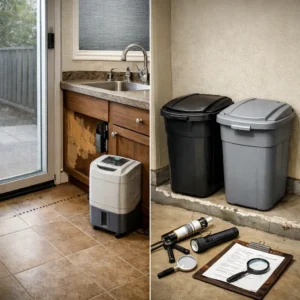
- Fixing leaks and reducing moisture
- Sealing cracks and entry points
- Scheduling periodic inspections for high-risk areas
These steps support both pest control and disinfection efforts.
A practical next step after pest control
After an infestation, it is natural to want reassurance that the space is truly safe and clean. A pest control disinfection service provides that final layer of protection by addressing invisible risks and restoring confidence in the environment.
First Station Pest Control Services offers integrated solutions that combine pest control with professional disinfection, using responsible methods and clear communication. If you are unsure whether disinfection is needed after pest control, discussing your situation with the team via WhatsApp or Call allows you to understand the risks, options, and appropriate next steps without pressure.
Conclusion
A complete response to a pest problem does not end with elimination alone. Disinfection plays a critical role in protecting health, restoring hygiene, and ensuring peace of mind. By understanding the role of a pest control disinfection service, knowing when professional handling is required, and taking preventive steps afterward, homes and businesses can recover fully and reduce the risk of future issues.