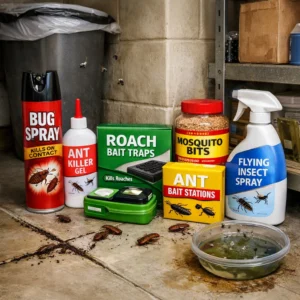
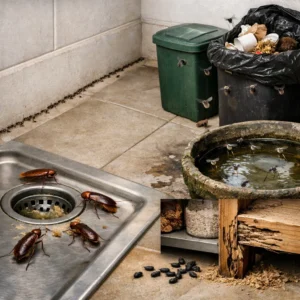
Pest problems rarely have a single cause, and they are almost never solved with a single action. That is why understanding pest control technique is far more important than simply choosing a product or calling a service without knowing what actually works. Effective pest control today focuses on strategy, timing, and prevention, not just elimination. This article explains modern pest control technique through the lens of Integrated Pest Management (IPM), practical exclusion methods, natural control options, zone-based control inside and outside the home, common technical mistakes, and how ongoing monitoring helps keep pest problems under control long term.
Whether pests are already active or you are trying to prevent future infestations, knowing how different pest control technique approaches work will help you make smarter decisions and avoid wasted effort, unnecessary exposure, and recurring problems.
Table of Contents
ToggleUnderstanding Integrated Pest Management (IPM)
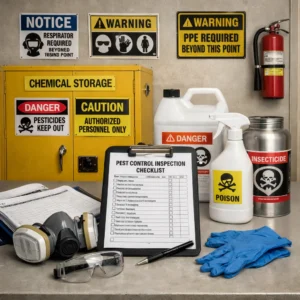
Integrated Pest Management, often called IPM, is the foundation of modern pest control technique. Instead of relying on repeated chemical treatments, IPM focuses on understanding pest behavior and addressing the conditions that allow pests to survive.
IPM is built around four core principles:
- Inspection: Identifying what pests are present and where they are active
- Identification: Confirming the exact pest species to avoid incorrect treatment
- Exclusion: Blocking entry points and removing access routes
- Treatment: Applying targeted control methods only where needed
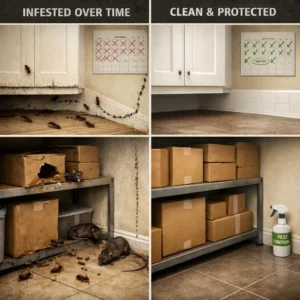
This approach shifts pest control from reactive spraying to long-term management. By reducing pest access to food, water, and shelter, IPM lowers reliance on chemicals and reduces the chance of reinfestation.
Why inspection and identification matter
One of the most common failures in pest control technique is treating pests without proper identification. Different pests behave differently, nest in different locations, and respond to different control methods.
For example:
- Cockroaches often hide near moisture and require targeted gel or bait placement
- Rodents follow consistent travel paths and respond best to exclusion and trapping
- Ants rely on scent trails, making colony-based control essential
- Stored-product insects require removal of contaminated food sources
Without correct identification, treatments may temporarily reduce visible pests but fail to address the underlying cause.
Exclusion as a core pest control technique
Exclusion is one of the most effective and underused pest control technique strategies. It focuses on physically preventing pests from entering or moving through a structure.
Copper mesh for rodent-proofing
Copper mesh is commonly used to block small gaps around pipes, vents, and utility penetrations. Rodents cannot chew through copper, making it an effective long-term barrier.
When installed correctly, copper mesh:
- Blocks mice and rats from entering wall cavities
- Allows airflow while preventing access
- Does not rust or degrade quickly
This pest control technique is especially effective when combined with sealing compounds to secure the mesh in place.
Weatherizing homes and buildings
Weatherization improves energy efficiency while also serving as a pest control technique. Sealing gaps, installing door sweeps, and repairing damaged window frames reduce entry points for insects and rodents.
Key weatherization steps include:
- Sealing cracks in foundations and walls
- Installing door sweeps on exterior doors
- Repairing torn window screens
- Sealing gaps around utility lines
These steps reduce pest entry without relying on chemical treatments.
Reducing pest attraction with lighting choices
Lighting is an often-overlooked pest control technique. Standard white bulbs attract many flying insects, especially around entry doors and outdoor areas.
Switching to yellow or “bug” bulbs:
- Reduces insect attraction near doors and windows
- Lowers the number of pests entering indoor spaces
- Supports perimeter-focused pest control strategies
While not a complete solution, lighting adjustments reduce pressure on other control methods.
Natural pest control techniques
Natural pest control technique options are often used as part of an IPM strategy. These methods focus on reducing pest populations with minimal chemical exposure.
Diatomaceous Earth
Diatomaceous Earth (DE) is a fine powder made from fossilized algae. It works by damaging the exoskeleton of insects, causing dehydration.
DE is commonly used for:
- Ants
- Cockroaches
- Fleas
- Stored-product insects
As a pest control technique, DE is most effective when applied lightly in dry areas where insects travel. Over-application reduces effectiveness.
Beneficial insects
In gardens and outdoor spaces, beneficial insects such as ladybugs play an important role in pest control technique.
Ladybugs feed on:
- Aphids
- Scale insects
- Spider mites
Encouraging beneficial insects reduces reliance on chemical sprays and supports natural balance.
Habitat modification
Removing food and water sources is one of the most powerful pest control technique principles.
Habitat modification includes:
- Fixing leaks and eliminating standing water
- Storing food in sealed containers
- Reducing clutter and storage areas
- Managing waste properly
Without access to resources, pests struggle to survive.
Comparing modern pest control techniques
Different pest control technique methods vary in effort, effectiveness, and long-term benefit. Understanding these differences helps you choose the right approach.
| Technique | Effort Level | Primary Benefit |
|---|---|---|
| Exclusion | High (initial) | Long-term prevention |
| Baiting | Medium | Colony-level control |
| Trapping | Medium | Immediate population reduction |
| Repellents | Low | Temporary deterrence |
No single pest control technique works best in every situation. Effective control often combines multiple methods.
Zone-based pest control technique
One of the most practical ways to apply pest control technique is by thinking in zones. Pests move from outside to inside, and each zone requires a different strategy.
Perimeter zone
The perimeter is the first line of defense. Pest control technique here focuses on:
- Sealing exterior cracks
- Managing vegetation near walls
- Reducing outdoor lighting attraction
- Proper waste placement
Entry zone
Doors, windows, and vents are critical transition points.
Effective techniques include:
- Door sweeps
- Screen maintenance
- Weather stripping
Interior zone
Inside the home, pest control technique focuses on sanitation, monitoring, and targeted treatment.
This includes:
- Sealing food
- Reducing moisture
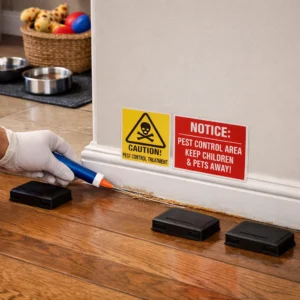
- Using traps or baits strategically
Common technical failures in pest control technique
Even well-intended pest control efforts fail when basic principles are ignored.
Over-application of treatments
More is not better. Excessive use of sprays or powders can:
- Reduce effectiveness
- Increase health risks
- Cause pests to avoid treated areas
Wrong timing
Treating at the wrong time of day or season reduces impact. Many pests are nocturnal or seasonal.
Ignoring pest behavior
Applying treatments without understanding travel paths, nesting habits, or food sources leads to short-lived results.
Monitoring pests like a detective
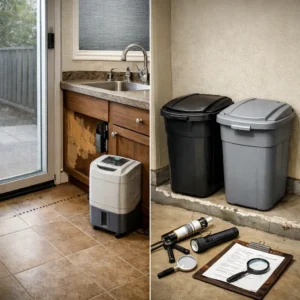
Effective pest control technique relies on monitoring rather than guesswork.
Simple monitoring practices include:
- Using sticky traps to track activity
- Checking entry points regularly
- Watching for droppings or damage
- Noting seasonal patterns
Monitoring helps identify early signs before infestations grow.
When professional help becomes necessary
While many pest control technique principles can be applied by homeowners, professional support becomes essential when infestations persist, spread, or pose health and safety risks.
Professional services combine:
- Advanced inspection tools
- Accurate identification
- Controlled application methods
- Structured follow-up
Conclusion
Pest control technique is about strategy, not shortcuts. By understanding IPM principles, applying exclusion methods, using natural controls wisely, targeting zones effectively, avoiding common mistakes, and monitoring activity consistently, pest problems can be managed safely and sustainably. The most effective results come from combining knowledge, timing, and prevention into a balanced approach.