Getting bitten by insects is an experience almost everyone goes through, yet the reaction, discomfort, and concern can feel very different from one person to another. For some, it is a mild itch that disappears within hours. For others, it becomes swelling, pain, anxiety, or even a medical concern. Looking for an insect bite solution is usually driven by one simple need: fast relief now, and confidence that the bite will not turn into something worse later.
This guide is written to help you calmly and clearly understand what to do after an insect bite. It starts with immediate actions you can take within seconds, continues with guidance on identifying common bite patterns, explains different solution categories and when each is appropriate, highlights warning signs that need medical attention, and ends with practical prevention strategies to reduce future bites. The goal is to give you reassurance, clarity, and control—without panic or unnecessary treatments.
Table of Contents
ToggleImmediate relief actions you can take within seconds
The first few minutes after an insect bite are important. Quick action can significantly reduce itching, swelling, and discomfort. These steps are safe for most people and can be done almost anywhere.
- Wash the area gently: Use clean water and mild soap to remove saliva, venom, or bacteria left by the insect.
- Apply a cold compress: A cold pack, ice wrapped in cloth, or even a cold bottle can help reduce swelling and numb itching.
- Avoid scratching: Scratching breaks the skin and increases the risk of infection, even if the itch feels intense.
- Elevate the area if possible: Raising the bitten limb can help reduce swelling.
- Remove tight items: Rings, bracelets, or tight clothing near the bite should be removed before swelling increases.
These immediate steps are often the most effective insect bite solution for mild reactions and should always be done before applying any creams or remedies.
Why insect bites itch and swell
Understanding what happens in your body after a bite helps explain why certain solutions work better than others. When an insect bites or stings, it injects saliva or venom into the skin. Your immune system reacts by releasing histamine and other chemicals.
This reaction causes:
- Redness due to increased blood flow
- Swelling from fluid accumulation
- Itching caused by nerve stimulation
- Warmth or mild pain in some cases
Most insect bite solution methods aim to calm this immune response or protect the skin while the body heals.
Visual identification guidance for common insect bites
Not all insect bites look the same. Recognizing patterns can help you understand whether you are dealing with a single bite or a larger environmental issue.
Mosquito bites
Mosquito bites usually appear as small, round, raised bumps that itch intensely. They often occur on exposed skin such as arms, legs, neck, and face. Bites are usually isolated but can appear in clusters after prolonged exposure.
Bed bug bites
Bed bug bites often appear in lines or clusters, sometimes described as a “breakfast, lunch, dinner” pattern. They are commonly found on arms, shoulders, neck, or legs and may itch more intensely over time.
Flea bites
Flea bites are small, red, and usually clustered around ankles, feet, or lower legs. They often have a central red spot and can itch severely.
Ant bites or stings
Ant bites can cause small red bumps, while some species cause painful stings that develop into white-tipped blisters. These are often found on feet or legs.
Spider bites
Most spider bites are harmless and resemble mosquito bites. However, some may cause localized pain, redness, or swelling. Severe reactions are rare but require medical evaluation.
Visual identification helps guide the right insect bite solution and alerts you when repeated bites suggest a larger pest issue.
When bite patterns indicate a bigger problem
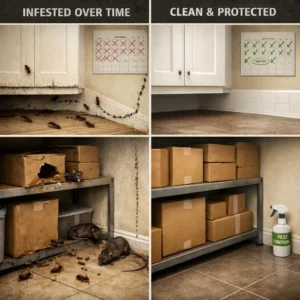
Occasional bites happen, but repeated bites may signal an underlying issue in your environment. This is especially important if bites appear daily or overnight.
Signs of a larger issue include:
- New bites appearing every morning
- Bites concentrated in specific areas of the body
- Multiple people in the same space getting bitten
- Bites occurring even when windows are closed
In these cases, an insect bite solution alone may not be enough, and environmental control becomes important.
Medical treatment options and when they are appropriate
Medical treatments focus on reducing inflammation, itching, and preventing infection. They are suitable when symptoms are moderate, persistent, or interfering with daily activities.
- Topical antihistamines: Help reduce itching caused by histamine release.
- Hydrocortisone creams: Reduce inflammation and redness.
- Oral antihistamines: Useful when itching is widespread or disrupting sleep.
- Antibiotic ointments: Applied if the skin is broken to prevent infection.
Medical insect bite solution options should be used as directed and are generally safe for short-term relief.
Natural and home-based remedies
Many people prefer natural remedies for mild bites. These options can be effective when symptoms are light and skin is intact.
- Aloe vera: Soothes irritation and reduces redness.
- Baking soda paste: Can help neutralize itching.
- Oatmeal: Known for calming irritated skin.
- Cold tea compress: Some teas contain compounds that reduce inflammation.
Natural remedies are best used as a gentle insect bite solution rather than a replacement for medical care when symptoms worsen.
Modern tools and devices for bite relief
Modern insect bite relief tools focus on heat, suction, or vibration to alter nerve signals or remove irritants from the skin.
These tools may be helpful when:
- You want non-chemical relief
- Bites occur frequently
- You are sensitive to creams or ointments
They are not a cure but can be part of a broader insect bite solution strategy.
Red-flag symptoms that require medical attention
Most insect bites are harmless, but some reactions need immediate medical care.
Seek medical attention if you experience:
- Difficulty breathing or swallowing
- Swelling of lips, tongue, or throat
- Dizziness or fainting
- Rapid heartbeat
- Severe pain or spreading redness
- Pus, fever, or signs of infection
These symptoms may indicate an allergic reaction or infection and go beyond standard insect bite solution measures.
Simple monitoring tips to track symptoms
Monitoring helps you decide whether a bite is healing normally or getting worse.
- Mark the edge of redness with a pen to track spreading
- Note changes in size, color, or pain
- Track itch intensity daily
- Take photos to compare progression
If symptoms worsen after 48 hours, reassessment is recommended.
Quick comparison overview for fast decision-making
| Symptom | Likely Cause | Recommended Solution Type |
|---|---|---|
| Mild itch, small bump | Mosquito or minor insect | Cold compress, topical relief |
| Clustered bites | Bed bugs or fleas | Medical relief + environmental control |
| Swelling and redness | Immune response | Antihistamines or hydrocortisone |
| Severe pain or infection | Complication | Medical evaluation |
Prevention strategies to avoid future bites
Prevention is the most effective long-term insect bite solution.
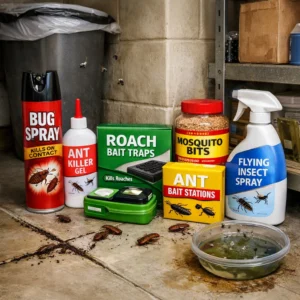
- Use repellents appropriate for your environment
- Wear long sleeves in high-risk areas
- Eliminate standing water
- Wash bedding regularly
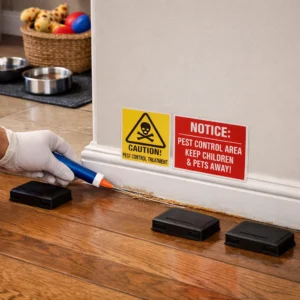
- Seal cracks and entry points
Common myths to avoid
- Scratching helps the bite heal faster
- Heat always works better than cold
- Natural remedies are always safe
- One bite means no infestation
Understanding these myths helps you choose the right insect bite solution without unnecessary risk.
Conclusion
An insect bite can be uncomfortable, but most are manageable with calm and informed action. By applying immediate relief, identifying bite patterns, choosing the right solution type, watching for warning signs, and focusing on prevention, you can protect both your comfort and health. The right insect bite solution is not about overreacting, but about responding wisely and early.