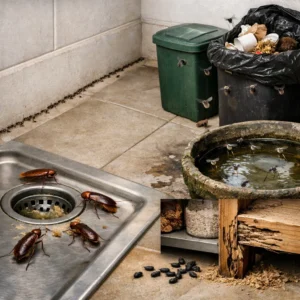
Woodlice are often an unexpected sight indoors. They usually appear in bathrooms, kitchens, basements, storage rooms, or near doors and windows, especially after rain or during humid periods. When people look for pest control for woodlice, the concern is rarely about bites or disease, but about why these creatures are entering the home and how to stop it from happening again. Understanding woodlice behavior is essential, because their presence almost always points to a moisture issue rather than a hygiene or food-related problem.
This article explains why woodlice appear indoors, how moisture and damp conditions are the real root cause, what immediate low-risk actions can reduce visible numbers, and how to manage humidity long term. It also provides a clear damp-proofing checklist, addresses common myths about woodlice and structural damage, compares DIY solutions with professional pest control, and explains when expert help becomes necessary.
Table of Contents
ToggleWhat woodlice are and why they come indoors
Woodlice are not insects. They are crustaceans, closely related to crabs and shrimp, and they depend on moisture to survive. Because of this biology, woodlice are naturally found outdoors in damp environments such as under stones, logs, leaf litter, garden soil, and decaying wood.
Indoors, woodlice do not come looking for food in the way ants or cockroaches do. Instead, they enter buildings because conditions inside resemble their natural habitat. Excess moisture, high humidity, and dark, undisturbed spaces attract them.
Common reasons woodlice appear indoors include:
- High indoor humidity
- Water leaks from plumbing or roofs
- Condensation in poorly ventilated rooms
- Damp basements or ground floors
- Entry points near damp exterior walls
Seeing woodlice inside is usually a sign that moisture is present somewhere it should not be.
Moisture as the real root cause
Unlike many household pests, woodlice cannot survive long in dry conditions. They lose moisture quickly and must stay in damp environments to avoid dehydration. This makes moisture management the most important factor in effective pest control for woodlice.
Indoor moisture problems that encourage woodlice include:
- Leaking pipes under sinks or behind walls
- Bathrooms with poor ventilation
- Condensation on walls, windows, or floors
- Damp laundry areas or utility rooms
- Water seepage from foundations
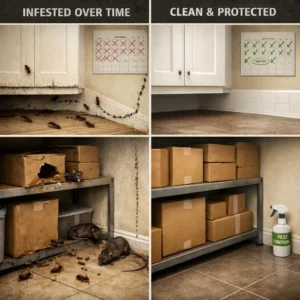
Until these moisture sources are addressed, woodlice are likely to keep returning even if visible individuals are removed.
Why woodlice are not attracted by food
A common misunderstanding is that woodlice enter homes because of food scraps or poor cleanliness. In reality, woodlice feed mainly on decaying organic matter such as rotting wood, leaves, and plant debris.
Indoors, they do not infest pantries, contaminate food, or seek out human leftovers. This means that intensive kitchen cleaning alone will not solve a woodlice problem if damp conditions remain.
Instead of focusing on food sources, effective pest control for woodlice focuses on:
- Reducing moisture
- Improving ventilation
- Blocking entry points
- Managing damp outdoor areas near the building
Immediate stop-gap actions to reduce visible woodlice
When woodlice appear indoors, many people want quick relief. While long-term control depends on moisture management, there are immediate steps that can safely reduce visible numbers.
Low-risk and non-toxic actions include:
- Manually removing woodlice using a vacuum
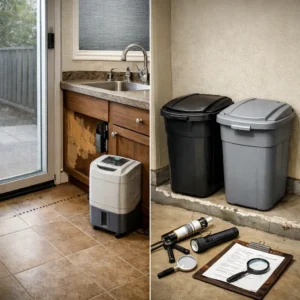
- Drying damp areas with dehumidifiers or fans
- Wiping condensation from walls and floors
- Using natural desiccants such as silica gel in enclosed spaces
- Keeping rooms well ventilated
These actions do not eliminate the root cause, but they help reduce activity while moisture issues are being addressed.
Damp-proofing checklist for long-term control
Long-term pest control for woodlice relies on creating an environment where they cannot survive. This involves addressing moisture both outside and inside the building.
Exterior damp-proofing checklist
- Remove leaf litter, mulch, and rotting wood near walls
- Ensure proper drainage away from foundations
- Fix leaking gutters and downpipes
- Seal cracks in exterior walls
- Keep garden soil and plants away from building edges
Interior moisture control checklist
- Repair plumbing leaks promptly
- Improve bathroom and kitchen ventilation
- Use exhaust fans or dehumidifiers where needed
- Dry wet floors and surfaces quickly
- Avoid storing damp items indoors
Common entry points to seal
- Gaps under doors
- Cracks around windows
- Pipe entry points
- Floor-wall junctions
- Utility and cable openings
Addressing these areas significantly reduces the chance of recurring woodlice problems.
Common myths about woodlice
Misunderstanding woodlice often leads to unnecessary worry or ineffective control methods. Clearing up common myths helps focus attention on the real solution.
Myth: Woodlice damage wooden structures
Woodlice do not damage sound wood. They feed on decaying organic matter, not healthy structural timber. If rotting wood is present, the underlying issue is moisture, not woodlice.
Myth: Woodlice infest homes like termites
Woodlice do not form destructive colonies inside buildings. They wander indoors by accident or in search of damp conditions.
Myth: Chemical sprays are the best solution
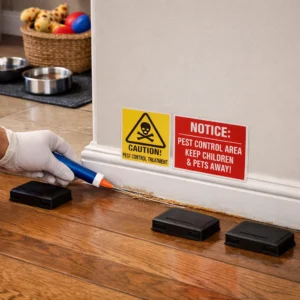
Chemical sprays may kill visible woodlice but do not address moisture. Without moisture control, new woodlice will continue to enter.
DIY approaches versus professional pest control
Deciding between DIY methods and professional pest control for woodlice depends on the severity of the problem and the underlying moisture issues.
DIY approaches
DIY control focuses on moisture reduction, sealing entry points, and basic environmental management. It can be effective when:
- The problem is minor and recent
- Moisture sources are obvious and easy to fix
- Woodlice appear only occasionally
DIY efforts require time, consistency, and attention to building maintenance.
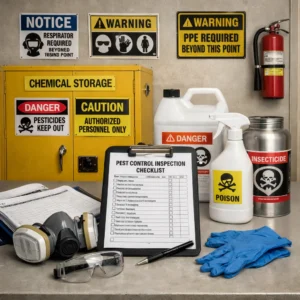
Professional pest control
Professional pest control becomes valuable when moisture issues are hidden or widespread. Professionals can:
- Identify hidden damp areas
- Assess structural moisture problems
- Recommend targeted treatment where needed
- Provide guidance on long-term prevention
In professional services, pricing, inspection scope, and treatment plans should be explained clearly in advance. Costs depend on property size, moisture severity, and required interventions rather than a single fixed rate.
Cost, effort, effectiveness, and safety comparison
Comparing DIY and professional pest control for woodlice helps set realistic expectations.
| Aspect | DIY Approach | Professional Control |
|---|---|---|
| Cost | Lower upfront, ongoing effort | Higher upfront, clearer scope |
| Effort | Requires continuous monitoring | Handled by specialists |
| Effectiveness | Good for minor issues | Better for persistent problems |
| Safety | Low risk if non-toxic methods used | Controlled application and guidance |
When professional help becomes necessary
Professional pest control for woodlice is usually needed when:
- Woodlice appear daily despite drying efforts
- Moisture sources are hidden or structural
- Damp problems affect multiple rooms
- DIY measures fail to reduce activity
At this stage, professional inspection helps identify the root cause rather than repeatedly treating symptoms.
Focusing on moisture management, not just pests
Successful pest control for woodlice is ultimately about moisture management. Woodlice are indicators, not the main problem. By reducing humidity, fixing leaks, improving ventilation, and sealing entry points, homes become unsuitable for woodlice survival.
This approach not only resolves woodlice issues but also improves indoor air quality and protects building materials from long-term damp damage.
Conclusion
Pest control for woodlice is most effective when it addresses moisture rather than focusing solely on killing visible pests. Woodlice presence indoors usually signals excess humidity or damp conditions. Immediate low-risk actions can reduce visible numbers, but long-term success depends on proper damp-proofing and moisture control. By understanding woodlice behavior, correcting common myths, and knowing when professional support is appropriate, homeowners can resolve woodlice problems safely, effectively, and sustainably.