Bathrooms are one of the most common areas in a home where pest activity quietly begins. Even in well-maintained houses, bathrooms provide the exact conditions many pests need to survive. This is why bathroom pest control becomes an important topic for homeowners and tenants who notice recurring insects, strange smells, or mold-like residue that does not fully disappear with regular cleaning.
Bathroom pest control is not about poor hygiene. In most cases, pests are attracted by moisture, humidity, and hidden water sources rather than dirt. This article explains how to visually identify common bathroom pests, why bathrooms attract them, what health and hygiene concerns are realistic, what practical DIY actions you can take immediately, when professional treatment becomes necessary, how pricing is usually considered without surprises, and how to prevent future infestations with simple long-term habits.
Table of Contents
ToggleCommon bathroom pests and how to identify them
Bathroom pests are often small, fast-moving, or active at night, making them easy to misidentify. Knowing what you are dealing with is the first step in bathroom pest control.
| Pest | Appearance | Where They Are Commonly Found | Main Attraction |
|---|---|---|---|
| Silverfish | Small, wingless, silver-gray, carrot-shaped | Under sinks, behind tiles, near drains | Humidity, paper, soap residue |
| Drain flies | Tiny, fuzzy, moth-like flies | Drain openings, shower floors, sinks | Organic buildup inside drains |
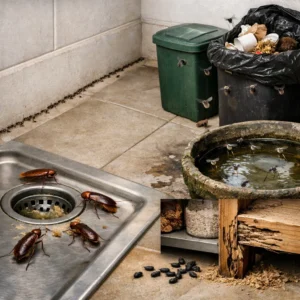
| Cockroaches | Brown or dark, flat-bodied insects | Behind toilets, under cabinets, floor drains | Water, warmth, hidden spaces |
| Mold mites | Very small, white or translucent | Grout lines, damp corners, silicone seals | Mold growth and moisture |
While these pests look different, they share one thing in common: moisture-driven survival.
Why bathrooms attract pests even when clean
A common misconception in bathroom pest control is that pests appear only because a bathroom is dirty. In reality, bathrooms attract pests primarily due to environmental conditions.
Key reasons bathrooms attract pests include:
- Constant humidity from showers and baths
- Hidden standing water in drains and traps
- Condensation behind tiles and walls
- Warmth from plumbing lines
- Cracks, gaps, and aging sealants
Even daily cleaning does not remove moisture trapped behind walls or inside drains. This is why bathroom pest control often requires moisture management rather than just surface cleaning.
Health and hygiene concerns without panic
Seeing pests in the bathroom can feel alarming, but not all bathroom pests pose the same level of health risk. It is important to understand the realistic concerns without unnecessary fear.
Potential issues include:
- Cockroaches can carry bacteria from drains and waste areas
- Mold mites indicate ongoing mold growth that may affect air quality
- Drain flies suggest organic buildup that can worsen odors
- Silverfish are mostly nuisance pests but indicate high humidity
Most bathroom pests do not directly harm people, but they signal conditions that should be addressed. Bathroom pest control focuses on reducing these conditions to protect long-term hygiene and comfort.
Immediate DIY actions you can take today
Early-stage bathroom pest control can often be supported with simple DIY actions. These steps help reduce pest activity and prevent conditions from worsening.
Deep clean drains properly
Pouring hot water alone is usually not enough. Use a drain brush or enzymatic cleaner to remove organic buildup inside pipes.
Reduce moisture after every use
Wipe wet surfaces, leave the door open after showers, and use exhaust fans to reduce lingering humidity.
Fix leaks immediately
Even small drips under sinks or behind toilets create constant water sources for pests.
Use natural repellents safely
Vinegar solutions, baking soda, and diluted essential oils like tea tree or eucalyptus can help deter pests without harsh chemicals.
Seal visible gaps
Replace cracked silicone, repair grout gaps, and seal pipe entry points.
These steps support bathroom pest control but may not fully eliminate established infestations.
Why recurring bathroom pests mean DIY is no longer enough
If pests return despite consistent DIY efforts, it usually means the source is hidden deeper within the bathroom structure.
Signs professional bathroom pest control is needed include:
- Pests appearing daily or during daylight hours
- Activity spreading to nearby rooms
- Strong drain odors that return quickly
- Visible mold growth that keeps coming back
- Pests emerging from wall gaps or floor drains
At this stage, professional inspection helps identify hidden moisture pockets, drain system issues, or wall void infestations that DIY methods cannot reach.
What professional bathroom pest control usually includes
Professional bathroom pest control focuses on identifying the root cause rather than just removing visible pests.
Typical professional steps include:
- Inspection of drains, plumbing, and moisture-prone areas
- Identification of pest type and breeding source
- Targeted treatment specific to bathroom pests
- Moisture and ventilation assessment
- Prevention recommendations for long-term control
Treatments are applied carefully in bathroom environments to avoid unnecessary exposure and protect daily use areas.
Pricing expectations for bathroom pest control
Bathroom pest control pricing varies based on several factors rather than a single fixed rate.
Common factors that influence cost include:
- Type of pest involved
- Severity and recurrence of infestation
- Number of bathrooms affected
- Drain system complexity
- Extent of moisture or mold involvement
Basic bathroom pest control treatments are usually priced similarly to general residential pest services. More complex cases involving mold remediation, drain system treatment, or structural moisture issues may require additional work.
Professional providers typically inspect the bathroom first, explain the treatment plan clearly, and confirm pricing before any work begins.
Preventative checklist for long-term bathroom pest control
Prevention is the most effective form of bathroom pest control. Small habits and design choices can significantly reduce future risk.
- Install and use proper ventilation fans
- Choose moisture-resistant grout and sealants
- Seal gaps around pipes and fixtures
- Avoid storing cardboard or paper in bathrooms
- Clean drains regularly before odors appear
- Dry wet mats and towels daily
- Check under sinks monthly for leaks
These steps help keep bathrooms dry, less attractive to pests, and easier to maintain.
Keeping bathroom pest control calm and manageable
Finding pests in the bathroom can be unsettling, but it does not mean your home is unsafe or unclean. In most cases, pests are responding to moisture conditions rather than hygiene failures.
Bathroom pest control works best when approached calmly, starting with moisture reduction, followed by targeted treatment if needed, and supported by simple preventive habits.
When professional help is the right choice
If bathroom pests persist, spread, or return quickly after treatment, professional bathroom pest control becomes the safest and most efficient solution.
Professional services help prevent:
- Hidden infestations inside walls or drains
- Worsening mold and moisture damage
- Repeated DIY expenses without results
- Long-term hygiene and comfort issues
Addressing the issue early often reduces overall cost and disruption.
Conclusion
Bathroom pest control is about managing moisture, understanding pest behavior, and acting early before small issues become persistent problems. With proper identification, simple DIY steps, and professional support when needed, bathrooms can remain clean, comfortable, and pest-free without unnecessary stress.