Types of pest control services vary widely depending on the nature of the problem, how urgent the situation is, and the level of risk involved for people, property, and daily operations. Some pest issues require immediate action because the infestation is already active and spreading, while others are better handled through planned, long-term prevention. Understanding the different types of pest control services helps homeowners and businesses choose the right approach, avoid unnecessary costs, and respond at the right time before problems escalate.
This article explains the main types of pest control services based on urgency and purpose, what usually happens during a professional service visit, how different control methods work, what safety measures are expected for children and pets, and when DIY solutions may be enough versus when professional intervention becomes necessary. It also highlights the risks of delaying treatment, helping readers make informed and timely decisions.
Table of Contents
ToggleEmergency or reactive pest control services
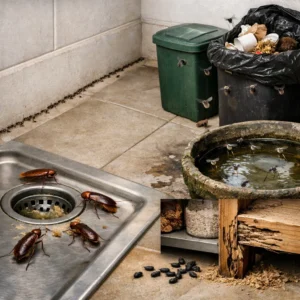
Emergency or reactive pest control services are designed for situations where pest activity is already visible, disruptive, or potentially dangerous. These services are typically requested when pests are actively moving through living or working spaces, causing discomfort, contamination, or structural concerns.
Common situations that require emergency pest control include:
- Heavy cockroach activity in kitchens or bathrooms
- Bed bugs causing frequent bites and sleep disruption
- Rodents seen during the day or heard inside walls
- Wasps or aggressive insects posing a direct safety risk
- Sudden infestations affecting business operations
Emergency services focus on rapid inspection, immediate risk reduction, and containment of the infestation. While fast response is important, professional providers still begin with an inspection to identify the pest type, severity, and source of the problem.
In most cases, reactive services aim to stabilize the situation first, followed by additional treatment or follow-up visits if needed to fully resolve the infestation.
Preventative and maintenance pest control programs
Preventative or maintenance programs are designed to stop pest problems before they become visible or disruptive. These services are commonly used by homeowners who want ongoing protection and by businesses that must maintain hygiene and compliance standards.
Preventative pest control services typically include:
- Scheduled inspections at regular intervals
- Targeted treatments in high-risk areas
- Monitoring for early signs of pest activity
- Advice on sanitation, storage, and exclusion
- Documentation for compliance or internal records
The purpose of maintenance programs is long-term protection rather than immediate elimination. Treatments are usually lighter and more targeted compared to emergency services, focusing on deterrence and early intervention.
These programs are especially common in restaurants, offices, warehouses, schools, and residential communities where pest activity can spread quickly if left unchecked.
Specialized pest control services for wood-destroying pests
Some pests require highly specialized treatment due to the type of damage they cause. Wood-destroying pests, such as termites, are a clear example. These pests often remain hidden while causing significant structural damage over time.
Specialized termite and wood-destroying pest control services typically involve:
- Detailed inspection of wooden structures and foundations
- Assessment of damage extent and risk areas
- Use of targeted treatment methods specific to termites
- Longer treatment timelines compared to common insects
- Monitoring and follow-up to ensure effectiveness
Unlike general pest control, these services often cannot be rushed. Proper diagnosis and treatment planning are critical to prevent long-term structural damage.
Because of the complexity involved, specialized services usually follow a different pricing structure and timeline compared to standard pest control treatments.
Green and organic pest control options
Green or organic pest control services are designed for households and businesses that prioritize reduced chemical exposure. These services aim to balance safety and effectiveness by using lower-toxicity products and integrated pest management strategies.
Green pest control approaches may include:
- Targeted application instead of broad spraying
- Use of approved low-odor or reduced-toxicity products
- Physical exclusion and sealing of entry points
- Environmental modifications to reduce pest attraction
- Ongoing monitoring rather than one-time treatment
While organic options can be very effective for certain pests, they may require more frequent visits or stronger cooperation from occupants to maintain results.
These services are often chosen for homes with children or pets, healthcare facilities, schools, and environmentally sensitive workplaces.
What to expect during a professional pest control visit
Regardless of the type of pest control service, a professional visit follows a structured process. Understanding what to expect helps clients prepare and reduces uncertainty.
Inspection
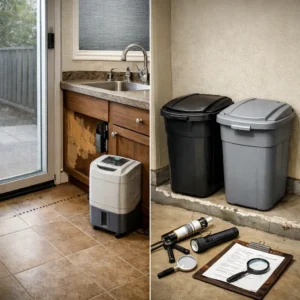
The visit usually begins with an inspection. The technician identifies the pest species, evaluates the level of activity, and determines how pests are entering or spreading within the property.
Treatment planning
Based on the inspection, the technician explains the recommended treatment approach. This includes which areas will be treated, what methods will be used, and what results to expect.
Treatment application
Treatment is applied only to necessary areas, focusing on pest pathways, nesting sites, and high-risk zones. Professional services avoid unnecessary exposure by using targeted application methods.
Post-treatment guidance
After treatment, clients receive instructions on cleaning, re-entry timing, and preventive steps to support long-term control.
Realistic timelines for pest control results
Pest control is rarely an instant solution. Timelines vary depending on the pest type, infestation severity, and treatment method used.
In general:
- Some pests show reduced activity within days
- Others may take one to two weeks for full results
- Severe infestations may require multiple visits
- Preventative programs focus on long-term stability
Professional providers set realistic expectations and explain what post-treatment activity is normal.
Comparing pest control service approaches
Understanding the differences between service types helps clarify which approach is appropriate.
| Service Type | Main Purpose | Frequency | General Cost Range |
|---|---|---|---|
| Emergency / Reactive | Stop active infestation | As needed | Higher due to urgency |
| Preventative / Maintenance | Long-term protection | Scheduled | Moderate and predictable |
| Specialized (Termites) | Structural protection | Case-specific | Higher due to complexity |
| Green / Organic | Safety-focused control | Often ongoing | Moderate to higher |
Safety considerations for children and pets
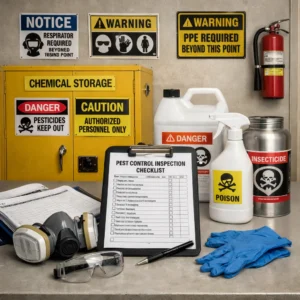
Safety is a key concern across all types of pest control services. Professional providers are trained to minimize risk while maintaining effectiveness.
Clients should expect:
- Clear preparation instructions before treatment
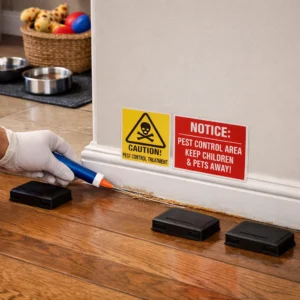
- Information on which areas to avoid temporarily
- Guidance on re-entry times
- Pet-specific precautions
- Use of appropriate treatment types for sensitive environments
When safety requirements are explained clearly, families and businesses can plan accordingly without unnecessary disruption.
Understanding control methods: liquid barriers vs baiting systems
Different pest control methods serve different purposes. Two commonly used approaches are liquid treatments and baiting systems.
Liquid barriers
Liquid treatments are often used to create protective zones along pest entry points, walls, and foundations. They work by targeting pests as they move through treated areas.
Baiting systems
Baiting systems attract pests to a controlled food source containing an active ingredient. This method is often used for ants, termites, and rodents, allowing pests to carry the treatment back to the colony.
Professionals choose the method based on pest behavior, infestation size, and safety considerations.
DIY pest control: when it may be enough
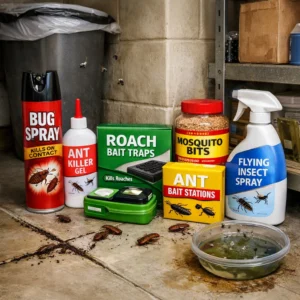
DIY methods can be effective in limited situations, particularly during very early stages of pest activity.
DIY may be sufficient when:
- Pest activity is minimal and recently noticed
- The source is obvious and easily removed
- No health or safety risks are present
Basic cleaning, sealing entry points, and removing attractants can help prevent minor issues from developing.
When professional intervention becomes necessary
Professional pest control becomes necessary when DIY methods fail or when risks increase.
Signs professional help is needed include:
- Recurring infestations
- Pests spreading across multiple areas
- Visible damage or contamination
- Bites, allergic reactions, or health concerns
- Business hygiene or compliance requirements
Risks of delaying pest control treatment
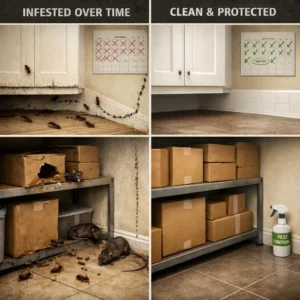
Delaying pest control often leads to greater problems.
Potential risks include:
- Structural damage to wood and wiring
- Increased health risks
- Higher treatment costs later
- Business disruptions or reputational damage
Early action helps limit damage and reduces overall impact.
Conclusion
Understanding the types of pest control services allows homeowners and businesses to respond appropriately to different pest situations. By recognizing the purpose of emergency, preventative, specialized, and green services, knowing what to expect during treatment, and understanding when professional intervention is necessary, pest problems can be managed effectively before they cause serious damage or health concerns.