Living with cats brings unique responsibilities, especially when pest problems appear inside the home. Many pet owners worry that pest control treatments may harm their cats, while others assume their cat’s presence alone is enough to keep pests away. In reality, pest control with cats requires careful planning, clear communication, and an understanding of how different treatment methods interact with feline behavior and health.
This article explains how pest control with cats can be done safely, what protocols are important in cat-friendly homes, the difference between wet and dry treatments, how pet-safe approaches actually work, why cats are not reliable pest controllers, and what cat owners should ask professional pest control providers before any treatment begins. It also covers post-treatment vigilance, common warning signs to watch for, and practical steps to reduce risks while maintaining effective pest control.
Table of Contents
ToggleWhy pest control with cats needs special attention
Cats are not just small dogs with different personalities. Their biology and behavior make them more sensitive to environmental changes, including pest control treatments. Cats groom themselves frequently, walk close to the floor, and often explore hidden or tight spaces where treatments may be applied.
These traits increase risk because:
- Cats lick their fur and paws, increasing ingestion exposure
- They sit or sleep on floors, rugs, and baseboards
- They explore corners, cabinets, and under furniture
- Their liver processes chemicals differently than other animals
Because of this, pest control with cats must always consider both direct and indirect exposure.
Understanding wet treatments versus dry treatments
One of the most important distinctions in pest control with cats is the difference between wet and dry treatments. Knowing this helps pet owners understand when isolation is required and how long precautions should remain in place.
Wet treatments
Wet treatments involve liquid applications such as sprays or solutions applied to surfaces like floors, baseboards, cracks, or entry points. These treatments require drying time before the area is safe for pets.
Key considerations for wet treatments:
- Cats must be removed from treated areas until fully dry
- Drying time can vary depending on ventilation and humidity
- Wet residues are the highest risk for grooming exposure
- Access to treated zones must be physically blocked
For pest control with cats, wet treatments require strict adherence to re-entry guidelines provided by the pest control professional.
Dry treatments
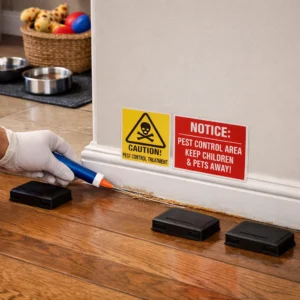
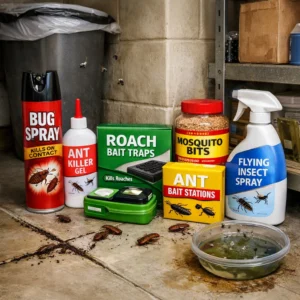
Dry treatments include methods such as gels, baits, dusts placed inside wall voids, or enclosed bait stations. These methods generally pose lower surface exposure risk when applied correctly.
Important points about dry treatments:
- They are usually placed in inaccessible locations
- They reduce contact risk when cats roam freely
- They are often preferred in homes with pets
- Proper placement is critical to safety
Dry treatments are often favored for pest control with cats, but they still require professional handling to ensure safe placement.
What “pet-safe” really means in pest control
The term “pet-safe” can be misleading if not explained clearly. Pet-safe does not mean harmless or edible. It means that when products are applied correctly, allowed to dry, and used according to guidelines, they present minimal risk to pets.
In pest control with cats, pet-safe practices usually involve:
- Targeted application instead of broad spraying
- Controlled dosages appropriate for indoor use
- Use of formulations designed for residential environments
- Clear isolation and re-entry instructions
No pest control method is safe if misused, overapplied, or accessed directly by a cat.
How to prepare your cat before pest control treatment
Preparation is one of the most effective ways to reduce risk during pest control with cats. A calm, planned approach helps avoid accidental exposure.
Before treatment, pet owners should:
- Move cats to a separate room or carrier
- Remove food bowls, water bowls, and toys
- Clean litter boxes and relocate them temporarily
- Seal off treated rooms if possible
Using a quiet, familiar space helps reduce stress for cats during treatment.
Why cats are not reliable pest controllers
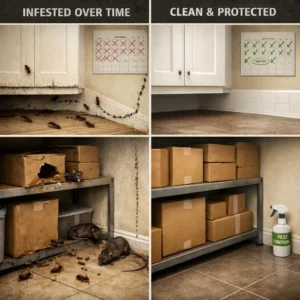
There is a common belief that cats naturally control pests such as rodents or insects. While cats may occasionally catch small prey, this behavior does not eliminate infestations.
Relying on cats for pest control is risky because:
- Pests reproduce faster than cats can hunt
- Rodents and insects often remain hidden
- Cats can be exposed to parasites and diseases
- Ingesting pests can cause illness or poisoning
In pest control with cats, the cat’s presence rarely addresses the root cause of the infestation and may increase health risks.
Health risks when cats interact with pests
Allowing cats to interact with pests exposes them to additional dangers beyond chemicals.
Health risks include:
- Parasites carried by rodents or insects
- Bacterial infections from bites or scratches
- Secondary poisoning from consuming treated pests
- Allergic reactions to insect remains
This is another reason professional pest control with cats must focus on safe elimination rather than relying on hunting behavior.
Comparing pest control methods by risk and effectiveness
Different pest control approaches carry different levels of risk for cats.
General comparison:
- Surface sprays: Effective but higher exposure risk if not dried fully
- Gels and baits: Effective with lower surface exposure when placed correctly
- Dusts in wall voids: Low contact risk when professionally applied
- Traps and physical barriers: No chemical exposure but limited effectiveness alone
The safest pest control with cats usually combines targeted treatments with prevention and exclusion strategies.
Protecting cats during and after treatment
Isolation during treatment is essential, but protection does not end once technicians leave.
After treatment, pet owners should:
- Wait for full drying before allowing access
- Ventilate treated areas
- Wipe exposed surfaces if advised
- Monitor cat behavior closely
Gradual reintroduction to treated areas helps reduce stress and risk.
Post-treatment vigilance and warning signs
Because cats groom themselves, they are more vulnerable after treatment if residues remain accessible.
Possible warning signs of exposure include:
- Excessive drooling
- Vomiting or diarrhea
- Lethargy or weakness
- Tremors or unusual behavior
If any of these symptoms appear, immediate veterinary attention is critical.
Why grooming behavior increases risk
Unlike many pets, cats spend a significant portion of their day grooming. Any substance on their fur or paws can be ingested.
This is why pest control with cats emphasizes:
- Dry-only access to treated areas
- Avoiding overapplication
- Professional placement of products
What to ask pest control providers if you have cats
Clear communication with pest control professionals is essential.
Cat owners should ask:
- Which treatment methods will be used
- Whether treatments are wet or dry
- How long cats must be isolated
- What preparation is required
- What follow-up care is recommended
General pricing expectations for pet-safe pest control
Pest control with cats does not usually require entirely different pricing, but it may involve more careful planning and targeted methods.
Pricing expectations typically depend on:
- Type of pest
- Size of the home
- Severity of infestation
- Number of visits required
- Follow-up and monitoring needs
Professional providers explain costs clearly after inspection, especially when additional precautions are needed for pet safety.
Prevention strategies for long-term safety
Prevention plays a major role in pest control with cats.
Helpful prevention steps include:
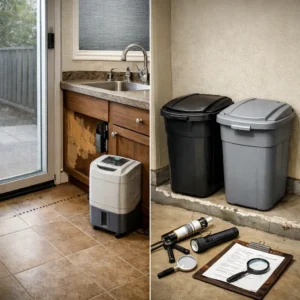
- Sealing cracks and entry points
- Keeping food sealed and surfaces clean
- Managing moisture and leaks
- Scheduling periodic inspections
Preventive care reduces the need for repeated treatments and lowers exposure risks.
A practical next step for cat owners
Pest problems rarely disappear without proper control, and cats should never be used as the primary solution. With the right planning, pest control with cats can be done safely and effectively.
Professional pest control services that understand cat behavior, treatment methods, and safety protocols help ensure both pest elimination and pet well-being. If there is uncertainty about treatment safety, preparation, or post-care, discussing these details in advance allows cat owners to make informed decisions and protect their pets.
Conclusion
Pest control with cats requires a balance between effective pest elimination and careful protection of feline health. By understanding treatment types, asking the right questions, preparing properly, and monitoring cats after treatment, pet owners can maintain a safe home while addressing pest problems responsibly.