Pest problems often develop gradually, making them easy to underestimate in the early stages. What begins as a few insects, small noises, or subtle signs of activity can slowly turn into health risks, property damage, and costly repairs. This is why many homeowners and business operators look for ways to protect pest control efforts long before an infestation becomes obvious. Effective protection is not about reacting once pests are visible, but about understanding risks, closing vulnerabilities, and knowing when professional support is needed.
The concept behind protect pest control is simple: reduce the chances of pests entering, surviving, and spreading in a property, while having a clear plan in place if activity is detected. This article explains how to identify and assess pest risks based on season and environment, the hidden damage pests can cause, layered protection strategies that combine sanitation and exclusion, practical tools such as vulnerability checklists and seasonal pest awareness, long-term maintenance planning, eco-friendly and safety considerations, and clear guidance on when professional pest control support becomes necessary.
Table of Contents
ToggleUnderstanding pest risks by season and environment
Pest activity is influenced heavily by environmental conditions and seasonal changes. Even in regions where temperatures remain relatively warm throughout the year, pest behavior still shifts based on moisture levels, food availability, and shelter conditions.
Seasonal and environmental factors that affect pest risk include:
- Warmer periods that accelerate insect breeding cycles
- Rainy or humid conditions that attract moisture-loving pests
- Dry seasons that push pests indoors in search of water
- Construction or renovation that disturbs nests
- Changes in waste management or food storage habits
Understanding these patterns helps property owners anticipate problems rather than react to them. A protect pest control mindset focuses on prevention during high-risk periods instead of emergency treatment after damage occurs.
Identifying early signs and hidden pest damage
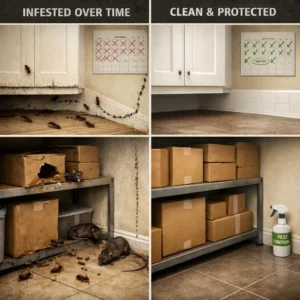
One of the biggest challenges with pest issues is that damage often occurs out of sight. Many pests remain hidden in walls, ceilings, crawl spaces, or storage areas, causing harm long before they are noticed.
Hidden or indirect signs of pest activity include:
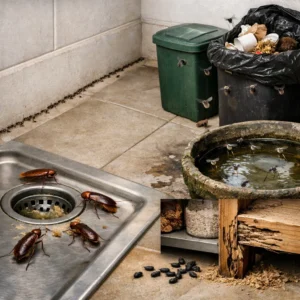
- Droppings in corners, cabinets, or behind appliances
- Unexplained musty or oily odors
- Scratching or movement sounds at night
- Warped wood, hollow sounds, or damaged furniture
- Frequent allergic reactions or respiratory irritation
Ignoring these signs allows pests to multiply and increases the cost and complexity of future treatment. Protect pest control strategies aim to detect and address these risks before visible infestation occurs.
The hidden structural and health risks pests can cause
Pests are more than a nuisance. Over time, they can create serious structural and health problems that extend far beyond the initial infestation.
Common risks include:
- Damage to electrical wiring, increasing fire hazards
- Weakening of wooden structures through termite activity
- Contamination of food and surfaces
- Spread of bacteria and allergens
- Worsening of asthma and respiratory conditions
These risks highlight why a long-term protection approach is often more cost-effective than repeated reactive treatments.
Layered protection strategies for effective pest prevention
Effective pest protection rarely relies on a single method. Instead, it combines multiple layers that work together to reduce risk and maintain control.
Sanitation as the first line of defense
Cleanliness plays a critical role in pest prevention. Pests are attracted to food, moisture, and clutter.
Key sanitation practices include:
- Storing food in sealed containers
- Cleaning spills and crumbs promptly
- Managing waste with sealed bins
- Reducing clutter in storage areas
- Regularly cleaning drains and sinks
While sanitation alone does not eliminate pests, it significantly reduces attraction and supports other control measures.
Physical exclusion and structural protection
Physical barriers are a core part of protect pest control strategies. Closing entry points prevents pests from accessing indoor spaces.
Effective exclusion measures include:
- Sealing cracks and gaps around doors and windows
- Repairing damaged screens and vents
- Fixing leaks that create moisture buildup
- Ensuring proper drainage around the property
- Maintaining roofs, walls, and foundations
These measures reduce reliance on chemical treatments and provide long-term protection.
The limits of DIY pest control methods
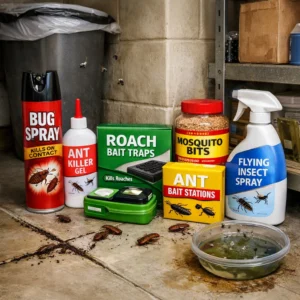
DIY pest control methods can be useful for minor or early-stage issues, but they have clear limitations. Most household sprays and traps focus on visible pests rather than the source of the problem.
DIY approaches are generally suitable when:
- Pest activity is minimal and recently noticed
- The source is obvious and easily addressed
- No sensitive occupants are affected
However, DIY methods often fail when infestations are established, hidden, or recurring. Overuse or misuse of products can also pose health risks.
When professional pest control becomes necessary
Professional support is essential when pests persist despite preventive efforts or when the risk level increases.
Clear indicators that professional help is needed include:
- Repeated pest sightings after DIY treatment
- Pests appearing during daylight hours
- Evidence of nesting or breeding
- Structural or electrical damage
- Health symptoms linked to pest exposure
At this stage, professional pest control provides inspection, targeted treatment, and guidance that DIY methods cannot achieve.
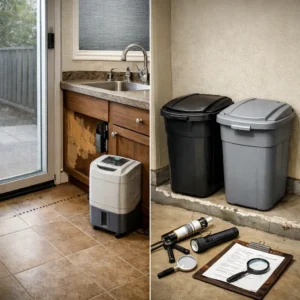
Using practical tools to assess vulnerability
Simple tools can help property owners evaluate their risk level and prioritize prevention.
Home and workplace vulnerability checklist
- Are food and waste stored securely?
- Are there visible gaps or cracks in walls or doors?
- Is there standing water or moisture buildup?
- Are storage areas cluttered or poorly ventilated?
- Have pests been seen recently or repeatedly?
Regularly reviewing this checklist helps identify weaknesses before pests take advantage of them.
Seasonal pest awareness planning
Different pests become more active during certain times of the year. Planning inspections and preventive measures around these periods reduces risk and cost.
Seasonal planning may include:
- Pre-summer checks for insects and mosquitoes
- Pre-rainy season moisture inspections
- Routine monitoring in food-handling areas
Ongoing maintenance and prevention planning
Pest protection is not a one-time task. Conditions change over time as buildings age, usage patterns shift, and environments evolve.
Ongoing maintenance planning helps ensure:
- Early detection of new risks
- Reduced need for emergency treatments
- Lower long-term costs
- Consistent safety for occupants
Regular inspections and preventive treatments are often more economical than repeated reactive services.
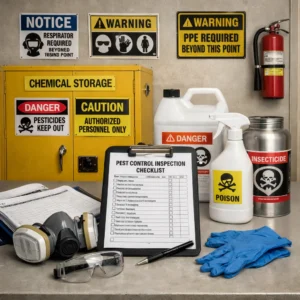
Eco-friendly and safety considerations
Modern protect pest control strategies prioritize safety and environmental responsibility. Eco-friendly and low-toxicity options reduce health risks while maintaining effectiveness.
These approaches may include:
- Targeted application instead of broad spraying
- Use of approved low-toxicity products
- Integrated pest management techniques
- Emphasis on exclusion and sanitation
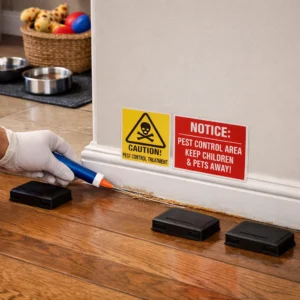
Such methods are especially important in homes with children and pets, as well as workplaces with employees and customers.
Understanding pricing considerations and long-term value
Professional pest control pricing varies based on property size, pest type, infestation severity, and treatment scope. While costs may seem higher than DIY products initially, professional services often provide better long-term value.
Early professional intervention typically results in:
- Less extensive treatment
- Lower risk of property damage
- Reduced repeat service costs
- Improved safety and peace of mind
Viewing pest control as an investment in protection rather than a one-time expense helps property owners make more informed decisions.
A practical approach to long-term pest protection
Pest problems rarely resolve without a plan. Left untreated, they can escalate, causing health concerns, property damage, and rising costs. A protect pest control approach focuses on early detection, layered prevention, and timely professional support.
First Station Pest Control Services supports long-term pest protection through inspection-led treatment, preventive planning, and responsible methods. For those unsure whether professional assistance is needed yet, using the WhatsApp or Call option allows a calm discussion to assess risks, understand options, and decide on the most appropriate next step.
Conclusion
Effective pest protection is about awareness, preparation, and informed action. By understanding risks, applying layered prevention strategies, respecting the limits of DIY methods, and engaging professional support when needed, homes and businesses can reduce pest activity and protect health and property over time.