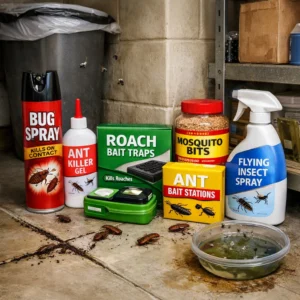
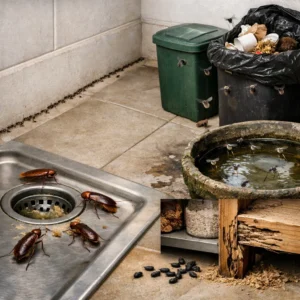
Pest problems raise an important and very natural question for many households and businesses: pest control is it safe. This concern usually comes from a good place—people want to protect their children, pets, plants, and living environment while also dealing with pests that threaten hygiene, health, and property. Understanding how pest control works in real-world conditions helps separate fear from facts and allows informed decisions to be made with confidence.
This article explains safety in pest control from a practical perspective. It covers how treatments are made safe through correct application, drying time, and protective measures; the difference between chemical toxicity and real-world exposure risk; the health and property risks of leaving pest problems untreated; how DIY methods compare with professional pest control from a safety standpoint; and clear, actionable safety guidance before and after treatment. The goal is not to oversimplify, but to give reassurance based on how pest control is actually practiced.
Table of Contents
ToggleWhy the question “pest control is it safe” comes up so often
Pest control involves substances designed to affect insects or rodents, so it is reasonable for people to worry about safety. Parents think about children crawling on floors, pet owners worry about cats and dogs, and plant lovers worry about gardens and indoor greenery. These concerns are amplified by stories about chemical exposure, misuse of insecticides, or unsafe DIY applications.
What is often missing from these conversations is context. Safety in pest control is not just about what substance is used, but how it is used, where it is applied, in what amount, and under what controls. Modern pest control focuses on minimizing exposure while maximizing effectiveness.
Chemical toxicity versus real-world risk
One of the most misunderstood aspects of pest control safety is the difference between chemical toxicity and real-world risk. Toxicity describes the inherent ability of a substance to cause harm under certain conditions. Risk, on the other hand, depends on exposure—how much of the substance comes into contact with people, pets, or plants, and for how long.
Professional pest control reduces real-world risk by controlling exposure in several ways:
- Using the lowest effective dose rather than excessive application
- Applying products only in targeted areas where pests are active
- Avoiding open spraying in living or sleeping spaces
- Following strict dilution and application guidelines
- Allowing adequate drying time before re-entry
This is why a substance that sounds concerning on a label may pose very little real-world risk when used correctly by trained professionals.
How professional pest control is designed to be safe
Professional pest control is not random spraying. It follows controlled procedures designed to protect occupants while addressing pest activity effectively.
Key safety-focused practices include:
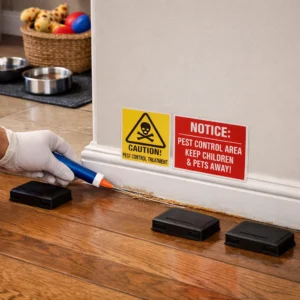
- Targeted application: Products are applied only where pests live, travel, or nest, such as cracks, crevices, and hidden voids.
- Dry application methods: Many treatments are designed to dry quickly, reducing contact risk.
- Protective barriers: Baits and traps are often placed inside tamper-resistant stations.
- Label compliance: All applications follow manufacturer safety instructions.
- Post-treatment guidance: Clear instructions are provided on when and how spaces can be used again.
These controls significantly reduce the likelihood of accidental exposure.
Safety for children in pest control treatments
Children are naturally more sensitive to environmental factors because they spend time closer to floors, touch surfaces frequently, and may put objects in their mouths. This makes child safety a priority in pest control planning.
Professional treatments account for this by:
- Applying treatments to inaccessible areas such as behind appliances or inside wall voids
- Using crack-and-crevice methods instead of open-area spraying
- Recommending temporary removal of toys or items from treated areas
- Advising waiting periods before children re-enter treated rooms
When these steps are followed, pest control is considered safe for households with children.
Safety for pets: dogs, cats, and small animals
Pets have different behaviors than humans. Dogs may sniff treated areas, cats may groom themselves after walking on surfaces, and small animals may be closer to floors and corners. This makes pet safety an important part of any pest control plan.
Professional pest control addresses pet safety by:
- Using pet-safe application zones and avoiding feeding areas
- Installing tamper-resistant bait stations that pets cannot access
- Providing clear instructions on temporary pet relocation if needed
- Allowing treatments to dry fully before pets return
In many cases, pets can safely remain in the home as long as guidance is followed.
Are plants and gardens affected by pest control
Another common concern linked to “pest control is it safe” is the effect on plants, gardens, and landscaping. The answer depends on how and where treatment is applied.
Professional services protect plants by:
- Avoiding unnecessary application on foliage
- Using targeted soil or perimeter treatments when required
- Selecting products suitable for outdoor use near vegetation
- Adjusting treatment methods for edible plants or gardens
When pest control is applied responsibly, damage to plants is uncommon.
The risks of leaving pest problems untreated
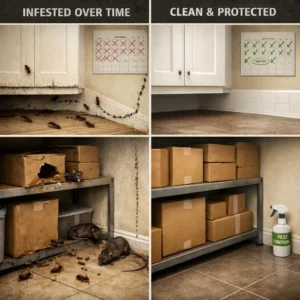
Safety discussions around pest control often focus on treatment risks while overlooking the risks of doing nothing. Untreated pest problems can create serious health and property issues over time.
Health risks of untreated pest infestations include:
- Spread of bacteria and pathogens
- Allergic reactions and asthma triggers
- Bites and skin irritation
- Contamination of food and surfaces
Property risks include:
- Damage to wiring and fire hazards from rodents
- Structural damage from termites
- Contaminated insulation and storage areas
- Higher long-term repair costs
When viewed in this context, professional pest control is often the safer option compared to allowing infestations to grow.
DIY pest control versus professional pest control: safety comparison
DIY pest control is often perceived as safer because it feels more controlled. In reality, DIY approaches can introduce significant safety risks if not handled correctly.
Common safety risks with DIY pest control
- Over-application of products
- Mixing incompatible chemicals
- Improper storage of insecticides
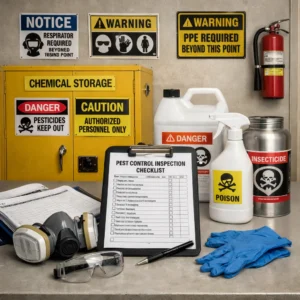
- Lack of protective equipment
- Treating visible pests instead of hidden sources
These mistakes increase exposure risk for occupants and pets.
How professional pest control reduces these risks
Professionals use integrated pest management principles, which focus on inspection, monitoring, targeted treatment, and prevention rather than repeated chemical use.
This approach emphasizes:
- Correct product selection
- Minimal effective application
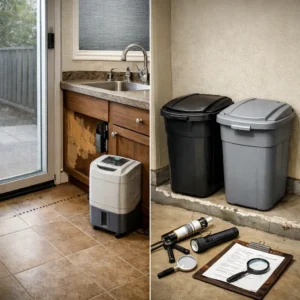
- Environmental controls such as sealing entry points
- Education on prevention
From a safety perspective, professional pest control is often safer than repeated DIY attempts.
Pre-treatment safety checklist
Following simple preparation steps helps ensure safe and effective treatment:
- Store food and utensils properly
- Cover or remove exposed items
- Move pets or pet items if advised
- Follow technician instructions carefully
- Ask questions if anything is unclear
Post-treatment safety checklist
After treatment, safety is maintained by:
- Allowing treated areas to dry fully
- Ventilating rooms if recommended
- Cleaning only where advised, not immediately everywhere
- Monitoring pets and children as they return
- Following follow-up instructions
Typical waiting times before re-entry
Waiting times depend on the treatment method used. In many cases, re-entry is possible once treated surfaces are dry. Some treatments may require a few hours of waiting, especially in enclosed spaces.
Professionals always provide clear guidance on re-entry times to ensure safety.
Traditional versus eco-friendly pest control methods
Eco-friendly pest control focuses on reducing chemical use while maintaining effectiveness.
| Traditional Methods | Eco-Friendly Methods |
|---|---|
| May use broader-spectrum products | Uses targeted and reduced-toxicity products |
| Effective for heavy infestations | Effective for prevention and sensitive environments |
| Requires controlled application | Focuses on exclusion and monitoring |
Both approaches can be safe when applied correctly. The choice depends on pest type, infestation level, and occupant needs.
Short answers to common safety questions
Is pest control safe for babies?
Yes, when treatments are applied professionally and re-entry guidance is followed.
Is pest control safe for pets?
Yes, especially when tamper-resistant stations and proper drying times are used.
Is it safer to avoid pest control completely?
No. Untreated infestations often pose greater health and safety risks.
Can eco-friendly pest control still work?
Yes, especially when combined with prevention and monitoring.
Making a safe and informed decision
The question “pest control is it safe” does not have a simple yes or no answer. Safety depends on how pest control is done, who does it, and whether instructions are followed. Professional pest control focuses on minimizing exposure, protecting occupants, and addressing pest problems at their source.
When pests are active, delaying action often increases risk rather than reducing it. A calm discussion with a professional service helps clarify which methods are appropriate, what precautions are needed, and how safety will be maintained throughout the process.
Conclusion
Pest control, when done correctly, is designed to protect health and property rather than threaten it. Understanding the difference between toxicity and exposure, following preparation and aftercare guidance, and choosing professional treatment over repeated DIY attempts allows pest problems to be handled safely and effectively.