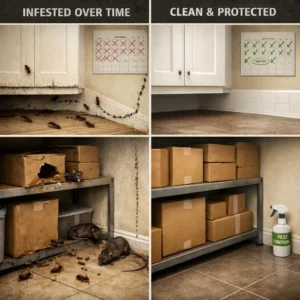
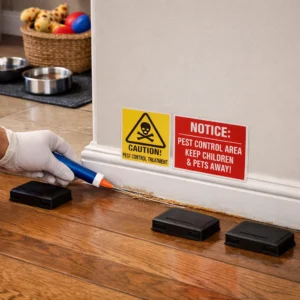
Pest problems rarely appear as a single event. In many homes and businesses, pest activity develops gradually and becomes more noticeable over time. This is why many property owners start looking into monthly pest control cost when they realize that one-time treatments are not enough to keep pests away in the long run. Understanding how monthly pest control pricing works, what it usually includes, and why it often provides better value than reactive treatments can help you make a more informed decision.
This article provides a clear and practical explanation of monthly pest control cost, including typical service tiers, key pricing factors, the difference between DIY and professional services, warning signs to avoid in pest control contracts, what to expect from warranties or follow-up visits, and why ongoing pest control is often more cost-effective than dealing with repeated infestations.
Table of Contents
ToggleA quick overview of monthly pest control service tiers
Monthly pest control services are usually structured into service tiers. These tiers are designed to match different property sizes, risk levels, and pest pressures. While exact pricing varies by region and provider, the structure is often similar.
At a high level, monthly pest control cost typically falls into the following tiers:
- Basic monthly service: Focuses on common pests such as cockroaches, ants, flies, and mosquitoes. It usually includes inspection, targeted treatment, and basic prevention advice.
- Standard monthly service: Covers a wider range of pests, includes more frequent monitoring, and may involve outdoor treatment or baiting systems.
- Comprehensive monthly service: Designed for high-risk environments or commercial properties, including detailed inspections, multiple treatment methods, and scheduled follow-ups.
In residential settings, basic monthly pest control cost is often lower and focuses on maintaining control after an initial treatment. For commercial properties, monthly services are usually more comprehensive due to hygiene, safety, and compliance requirements.
What is usually included in monthly pest control cost
One of the main advantages of monthly pest control is consistency. Instead of reacting to problems as they appear, the service focuses on prevention and early detection.
Most monthly pest control plans include:
- Regular inspection of key pest-prone areas
- Monitoring for new pest activity
- Targeted treatment when activity is detected
- Preventive measures to reduce attraction and entry points
- Basic reporting or feedback after each visit
Depending on the provider, monthly pest control cost may also cover follow-up visits at no additional charge if pest activity continues within the service scope.
Main factors that influence monthly pest control cost
There is no single flat rate for monthly pest control. Several factors influence how much you pay and what level of service you receive.
Property size and layout
Larger properties require more time, materials, and coverage. A small apartment typically has a lower monthly pest control cost compared to a villa, warehouse, or multi-floor commercial space.
Pest type
Different pests require different control strategies. Monthly pest control for insects such as cockroaches and ants is usually less complex than ongoing control for rodents, termites, or mosquitoes.
Treatment frequency
Some properties require monthly visits, while others may need bi-weekly or even weekly attention during high-risk periods. Increased frequency raises the monthly pest control cost but also improves effectiveness.
Local conditions and environment
Climate, surrounding buildings, waste areas, and nearby construction all affect pest pressure. Properties in high-risk environments often require more intensive monitoring and treatment.
Residential versus commercial use
Commercial properties often face stricter hygiene standards and higher pest risks. As a result, their monthly pest control cost is usually higher than residential services.
Typical monthly pest control cost ranges
While prices vary by region and provider, monthly pest control cost often falls within predictable ranges when averaged over time.
For residential properties, monthly pest control cost commonly ranges from the equivalent of:
- Small apartments: low to mid monthly fees focused on maintenance
- Medium to large homes: moderate monthly fees reflecting wider coverage
- Villas or compounds: higher monthly fees due to outdoor and structural exposure
For commercial properties, monthly pest control cost is usually calculated based on:
- Total floor area
- Business type (restaurant, office, warehouse, healthcare)
- Risk level and compliance requirements
- Frequency of service visits
Although monthly fees may appear higher at first glance, they often reduce overall spending by preventing repeated infestations and emergency treatments.
Why monthly pest control often provides better value than one-time treatments
One-time pest control treatments are reactive. They address the problem only after pests are already present. Monthly pest control, on the other hand, focuses on prevention and early intervention.
Monthly pest control cost often provides better value because:
- Pests are detected early before infestations grow
- Less chemical use is needed over time
- Damage to property is minimized
- Emergency call-outs are reduced
- Long-term hygiene and comfort are maintained
In many cases, the total annual cost of monthly service is lower than the combined cost of multiple one-time treatments.
DIY expenses versus professional monthly pest control
DIY pest control often seems cheaper at the beginning. Store-bought sprays, traps, and repellents are easy to access and appear affordable.
However, DIY expenses add up over time:
- Repeated purchase of ineffective products
- Time spent applying treatments and cleaning
- Health risks from improper chemical use
- Damage caused by untreated infestations
Professional monthly pest control cost includes expertise, monitoring, and prevention. While the upfront cost may be higher than DIY, the long-term cost is often lower due to improved effectiveness and reduced recurrence.
Effectiveness and time considerations
DIY pest control relies heavily on trial and error. Professional monthly pest control uses structured methods based on pest behavior and environmental conditions.
With professional service:
- Less time is spent dealing with pests
- Treatments are targeted and efficient
- Results are monitored consistently
- Problems are addressed before becoming severe
This efficiency is a major factor in the value of monthly pest control cost.
Common industry red flags to watch out for
Not all pest control providers offer the same level of transparency or quality. Being aware of common red flags can help you avoid unnecessary costs.
Unclear contracts
Monthly pest control agreements should clearly state what is included, how often visits occur, and how cancellations work. Vague terms often lead to disputes.
Misleading free inspections
Some providers advertise free inspections but then pressure customers into immediate contracts without proper explanation. A legitimate inspection should provide clear findings and options.
Weak or unrealistic guarantees
Promises of permanent pest elimination without maintenance are unrealistic. Effective pest control focuses on management and prevention.
Hidden charges
Monthly pest control cost should be transparent. Unexpected fees for follow-ups or basic services are a warning sign.
What to expect from warranties and follow-up visits
Professional monthly pest control services usually include some form of follow-up support.
Reasonable expectations include:
- Re-inspection if pest activity continues
- Additional treatment within the service scope
- Clear explanation of limitations
- Optional upgrades for higher-risk situations
Warranties typically cover specific pests and conditions, rather than unlimited protection.
Regional and environmental cost differences
Monthly pest control cost varies by region due to climate, pest pressure, and regulatory requirements. Areas with warmer temperatures or dense urban environments often experience higher pest activity and may require more frequent service.
Local building structures, waste management practices, and surrounding land use also influence pricing.
The cost of inaction
Delaying pest control often leads to higher expenses over time. Small infestations grow, pests spread to new areas, and damage becomes more severe.
The cost of inaction may include:
- Structural repairs from termites or rodents
- Health-related expenses
- Food contamination and waste
- Business disruption or loss of reputation
Compared to these risks, monthly pest control cost is often a predictable and manageable expense.
Why regular monthly pest control is a long-term solution
Regular monthly pest control creates a protective system rather than a temporary fix. It helps maintain a pest-free environment, reduces stress, and protects both property and health.
By investing in consistent service, property owners gain:
- Peace of mind
- Stable long-term costs
- Early detection of new issues
- Reduced reliance on emergency treatments
Conclusion
Monthly pest control cost should be viewed as an investment rather than an expense. By understanding service tiers, pricing factors, and the true cost of repeated infestations, it becomes clear why ongoing pest control often delivers better value. Regular monthly service helps prevent larger, more expensive problems, protects health and property, and provides a practical and effective approach to pest management over time.