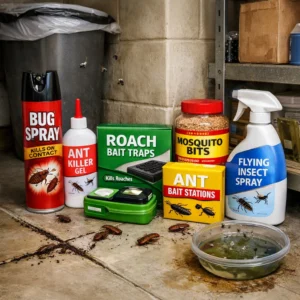
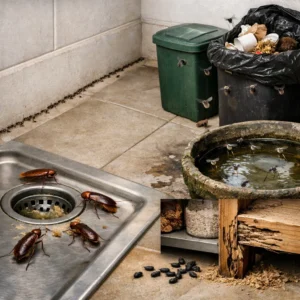
When it comes to all home pest management, many people face pest problems that can quickly escalate, affecting their comfort, safety, and property. Pests can cause structural damage, health-related issues, and nuisance situations, which is why a comprehensive approach is essential to managing them effectively. Understanding what pests are most common, how to identify entry points, and knowing when to take action—either with DIY methods or by calling a professional—are key to staying on top of pest control throughout the year.
This guide provides a complete overview of all home pest management. It covers common pests, their damage types, seasonal prevention strategies, eco-friendly pest control methods, and provides a breakdown of when DIY methods are effective versus when you should call in professionals. We’ll also touch on transparent pricing factors and introduce Integrated Pest Management (IPM) as a more sustainable solution for pest control.
Table of Contents
ToggleThe Usual Suspects: Identifying Common Pests
Knowing how to identify pests is the first step toward preventing them. Let’s start by categorizing common household pests based on the type of damage they cause: structural, health-related, or nuisance.
Structural Damage Pests
Some pests cause direct harm to your property. These pests tend to nest in hidden locations, and the damage they cause is not always immediately visible. Common structural damage pests include:
- Termites: Termites feed on wood and cellulose, which can severely damage the structure of your home. They often remain hidden for long periods, making early detection difficult. Termite damage can compromise the integrity of wooden beams, furniture, and floors.
- Carpenter Ants: While carpenter ants do not eat wood, they tunnel through it to create nests. Over time, this can cause significant damage, especially in walls and wooden beams.
- Woodlice: Also known as pill bugs, woodlice can be a nuisance in areas with high moisture. They don’t directly harm structures but can lead to mold and decay in wet wood.
Health-Related Pests
Some pests pose significant health risks, either by contaminating food, spreading diseases, or triggering allergic reactions. These pests should be addressed immediately due to their health impact:
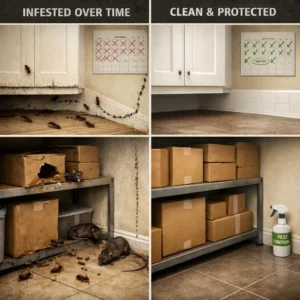
- Rodents (Rats & Mice): Rodents are notorious for spreading diseases like leptospirosis, hantavirus, and salmonella. They contaminate food, chew on wires, and create nests in walls and attics.
- Cockroaches: Cockroaches are vectors of diseases such as gastroenteritis, asthma, and food poisoning. They spread bacteria as they move from trash to food preparation areas.
- Bed Bugs: Bed bugs feed on human blood and cause itchy bites. While they don’t transmit disease, their presence can significantly affect quality of life.
- Mosquitoes: Mosquitoes can transmit serious diseases like malaria, dengue, and Zika virus. They are especially problematic during warmer months.
Nuisance Pests
Some pests cause more of a nuisance than damage or health risk, though they can still disrupt daily life. These pests include:
- Ants: Ants are common household pests that invade kitchens and pantries. While they are not typically harmful, they can become a persistent problem, especially when food is involved.
- Flies: Flies can be a nuisance, especially in warmer months. They spread bacteria and are attracted to decaying food and waste.
- Spiders: While most spiders are harmless, their webs can become unsightly, and some species can bite when threatened. Certain areas in homes may attract spiders due to moisture and food sources.
Prevention 101: Seasonal Strategies for Pest Control
Preventing pests is all about being proactive and addressing common issues at each stage of the year. A 365-day pest management plan ensures your home is protected throughout the seasons, minimizing pest problems before they escalate.
Spring: Preparing for Pests’ Return
As the weather warms up, pests become more active. Insects begin to emerge from their winter hiding spots, and rodents may seek shelter inside homes as temperatures rise. During spring, focus on:
- Sealing cracks around windows and doors to prevent entry
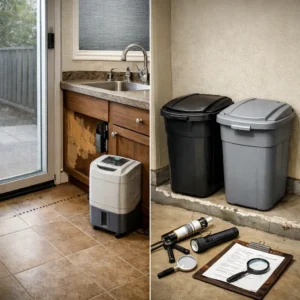
- Checking for leaks around pipes and faucets, as moisture attracts pests
- Cleaning gutters to prevent standing water that attracts mosquitoes
- Inspecting the foundation for cracks that could be entry points for termites
Summer: Full Pest Season
Summer is peak season for many pests, especially mosquitoes, ants, and cockroaches. To keep pests under control during the hottest months:
- Keep food sealed and store it properly to avoid attracting pests
- Reduce standing water around your home to eliminate mosquito breeding grounds
- Inspect your air conditioning units and ensure they are sealed tightly
- Regularly clean kitchens and trash areas to discourage cockroaches and ants
Fall: Pest Prevention Before Winter
As temperatures drop, many pests look for warmth indoors. Fall is the perfect time to prepare your home for winter and prevent infestations:
- Ensure windows and doors close properly to keep rodents and insects out
- Check insulation in attics, basements, and walls to prevent rodents from entering
- Clean chimneys and vents to keep critters from getting inside
- Store firewood away from the home to avoid attracting termites and other pests
Winter: Monitoring and Maintaining Control
During winter, pests are less active but may still find ways inside. Now is the time to stay vigilant and keep your pest management plan in place:
- Keep an eye out for signs of rodents, especially in attics or basements
- Ensure that all food is stored properly, and trash is regularly disposed of
- Inspect your home for any cracks or gaps that may have appeared during colder weather
- Consider using natural deterrents like peppermint oil to repel pests indoors
The Safety First Guide: Eco-friendly vs. Chemical Pest Control
One of the biggest concerns with pest control is safety—both for the environment and for the people (and pets) inside your home. The debate between eco-friendly and chemical treatments is ongoing, but the solution lies in finding the balance between effectiveness and safety.
Here are some options:
Eco-friendly Pest Control
Eco-conscious pest control methods are safer for families and pets while still being effective. These include:
- Using diatomaceous earth to kill insects without chemicals
- Essential oils like peppermint oil to repel pests like ants and spiders
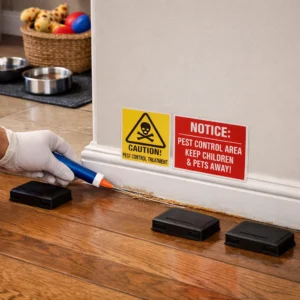
- Traps and baits that don’t require toxic chemicals
- Sealing entry points and keeping a clean environment to reduce the need for chemicals
Chemical Treatments
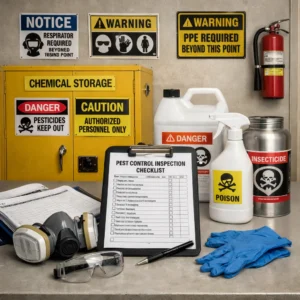
Chemical treatments are still widely used for more severe infestations, such as termites and rodents. However, these treatments can pose risks to humans and pets if not applied properly. It is crucial to use a licensed and professional service provider who follows safety regulations and guidelines.
Many pest control services now use Integrated Pest Management (IPM) to combine both eco-friendly and chemical methods in a way that minimizes harm while still providing long-lasting control.
DIY Green Hacks: Building Trust with Natural Solutions
If you prefer to tackle minor pest issues yourself, there are several eco-friendly DIY solutions that you can use:
- Essential oils: Peppermint oil, tea tree oil, and citronella can act as natural repellents for a variety of pests.
- Diatomaceous earth: A natural powder that works by dehydrating insects, making it effective against ants, bed bugs, and cockroaches.
- Vinegar and baking soda: A powerful and safe cleaning duo that works for pests like ants, cockroaches, and fruit flies when used in areas like kitchen countertops.
- Soap and water: A simple solution that can eliminate aphids, mealybugs, and other soft-bodied insects from plants and surfaces.
These DIY solutions can offer temporary relief and help prevent pests from multiplying. However, for larger infestations or ongoing problems, professional pest control is recommended.
When Professional Intervention is Necessary: The Pro Checklist
While DIY pest control can be effective for minor issues, there are certain situations where professional intervention is the only way to ensure your home or business is pest-free. Here’s when to call in the experts:
- When the infestation is widespread or affecting multiple rooms
- When pests return despite DIY efforts
- If you notice structural damage or potential health risks
- When pest-proofing and prevention tips aren’t enough
- For severe infestations like termites, rodents, or bed bugs
Pricing Considerations for Pest Control
Pricing for pest control varies based on several factors, including the type of pest, the severity of the infestation, the size of the area, and the treatment method required. Basic residential treatments typically start from around AED 119 for small apartments, while larger units or commercial spaces may cost more.
Here’s a rough idea of what you can expect for various treatments:
- Basic residential pest control (studio apartment): AED 119
- Rodent control (per bait station): AED 55
- Termite treatment (1-bedroom apartment): AED 300
- Bed bug treatment (per room): AED 119
- Outdoor garden treatment: AED 150 for up to 1000 sqft
Final pricing will depend on inspection and may vary based on the size of the affected area, infestation severity, and specific treatment required. Professional pest control services should provide clear, transparent pricing before any work begins.
Conclusion
Effective pest control is essential for maintaining a comfortable, safe, and healthy home or business in Sharjah. By understanding the types of pests you might face, implementing seasonal prevention strategies, and knowing when to call in the professionals, you can keep your property pest-free throughout the year. Whether you choose DIY methods or professional services, managing pest issues early ensures you avoid bigger problems down the road.