apartment pest control is a shared concern for tenants, landlords, and property managers, especially in multi-unit buildings where pest activity rarely stays confined to one apartment. Whether the issue appears as a few insects in the kitchen, noises behind walls, or recurring bites, pest problems in apartments can quickly become stressful. This guide explains how apartment pest control works in practice, clarifies responsibilities between tenants and landlords, shows why unit-only treatment often fails, outlines safe actions residents can take while waiting for professional help, and provides realistic guidance on pricing expectations, follow-up, and long-term prevention—all with a practical and non-judgmental approach.
Table of Contents
ToggleUnderstanding responsibility in apartment pest control
One of the most common sources of confusion around apartment pest control is responsibility. Tenants often wonder whether pest control is their obligation, while landlords may expect tenants to report issues promptly. In reality, responsibility is usually shared and depends on the type of pest, the building condition, and local tenancy agreements.
In most apartment settings:
- Landlords or property managers are generally responsible for maintaining the building structure, common areas, plumbing systems, and ensuring the apartment is pest-free at the start of tenancy.
- Tenants are typically responsible for maintaining cleanliness, reporting pest activity early, and avoiding actions that worsen infestations.
When pest issues arise during tenancy, documentation becomes important. Tenants should report pest activity as soon as possible, preferably in writing, with dates, locations, and brief descriptions. Photos or short videos can help clarify the situation. This documentation supports timely action and avoids misunderstandings.
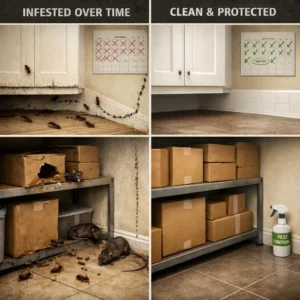
Delays in reporting often make apartment pest control more complicated, as pests may spread to neighboring units or shared building areas.
Why apartment buildings are vulnerable to pest movement
Apartment buildings create ideal conditions for pest movement. Unlike standalone houses, apartments share structural elements that allow pests to travel unnoticed.
Common pathways include:
- Shared walls and wall cavities
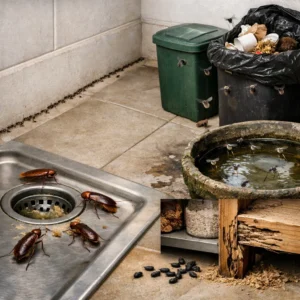
- Plumbing lines and drainage systems
- Ventilation shafts and exhaust ducts
- Electrical conduits and service openings
- False ceilings and shared storage areas
Because of these connections, pests such as cockroaches, ants, rodents, and even bed bugs can move between units without being visible. This is why apartment pest control that focuses on only one unit often provides temporary relief at best.
If neighboring units or common areas are untreated, pests may return within weeks, even after professional treatment in a single apartment.
Why unit-only treatment is often ineffective
Many residents request treatment only for their own apartment, especially when pest activity appears localized. While this may seem logical, it often does not address the root of the problem.
Unit-only apartment pest control can fail because:
- The pest source may be in another unit or common area
- Pests retreat temporarily and return later
- Shared plumbing or ventilation remains untreated
- Breeding sites remain active elsewhere in the building
For long-term results, apartment pest control often requires coordination between multiple units or building-wide inspection and treatment. This approach reduces reinfestation risk and is more cost-effective over time.
Immediate apartment-safe actions residents can take
While waiting for professional apartment pest control, residents can take steps to reduce pest attraction and limit spread. These actions are safe and supportive but should not replace professional treatment.
Helpful apartment-safe actions include:
- Storing food in sealed, airtight containers
- Cleaning spills, crumbs, and grease daily
- Taking trash out regularly and sealing bins
- Fixing visible leaks or reporting them promptly
- Reducing clutter, especially in kitchens and bathrooms
These measures help limit pest access to food and water and support the effectiveness of professional apartment pest control.
DIY measures that often make infestations worse
Not all DIY actions are helpful. Some common responses actually worsen apartment pest control situations.
Actions that often backfire include:
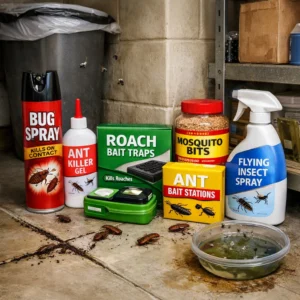
- Overusing insect sprays without identifying the source
- Mixing different chemical products
- Blocking pest entry points without proper sealing
- Discarding infested furniture without proper containment
- Ignoring activity after temporary reduction
These actions may push pests deeper into walls or neighboring units, making apartment pest control more difficult and increasing the need for building-wide treatment.
Common apartment pests and how they differ
Different pests behave differently in apartment environments. Understanding these differences helps set realistic expectations.
| Pest Type | Common Cause | Difficulty to Eliminate | Management Involvement |
|---|---|---|---|
| Cockroaches | Food, moisture, shared plumbing | Moderate to high | Often requires multi-unit treatment |
| Ants | Food trails, wall gaps | Moderate | Colony-focused control needed |
| Bed bugs | Furniture, luggage, shared walls | High | Professional and coordinated action required |
| Rodents | Waste areas, building gaps | High | Building structure and access control |
| Flies | Waste, drains, moisture | Low to moderate | Sanitation and source removal |
This comparison highlights why apartment pest control often requires different strategies depending on the pest involved.
Pricing expectations for apartment pest control
Apartment pest control pricing varies depending on several factors. Rather than fixed numbers, costs are usually influenced by:
- Type of pest involved
- Size and layout of the apartment
- Infestation severity
- Whether multiple units are affected
- Need for follow-up or monitoring
In many cases, treating a single apartment may appear less expensive initially, but repeated treatments can increase overall cost. Coordinated or building-wide apartment pest control is often more effective and economical in the long run.
Follow-up, monitoring, and building-wide treatment
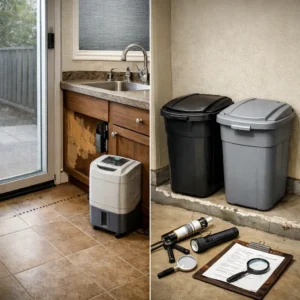
Effective apartment pest control does not always end after the first visit. Follow-up is often necessary to confirm results and address remaining activity.
Follow-up may include:
- Re-inspection of treated areas
- Additional targeted treatment if activity persists
- Monitoring devices in high-risk zones
- Recommendations for neighboring units
In buildings with recurring issues, scheduled inspections or preventive programs can significantly reduce future infestations.
Practical living tips to reduce future pest risk
Residents can support apartment pest control efforts by adopting habits that reduce pest attraction.
Key focus areas include:
- Regular kitchen and bathroom cleaning
- Avoiding overnight food exposure
- Using sealed storage instead of open shelves
- Reporting leaks or structural gaps early
- Avoiding unapproved chemical products
Questions to ask before moving into an apartment
Preventing future apartment pest control issues can start before moving in.
Helpful questions include:
- How often is pest control conducted in the building?
- Are common areas included in pest control programs?
- How are pest issues reported and documented?
- Is building-wide treatment available if needed?
- Are eco-friendly or low-toxicity options used?
Asking these questions helps set expectations and reduces future stress.
A balanced approach for tenants and property managers
Apartment pest control works best when tenants and property managers cooperate. Tenants benefit from prompt reporting and cleanliness, while landlords benefit from proactive building maintenance and coordinated treatment strategies.
Approaching pest issues with empathy and clear communication leads to faster resolution and better long-term outcomes.
Conclusion
Apartment pest control is rarely a one-sided issue. Shared structures, hidden pathways, and varying responsibilities mean that successful control requires cooperation, timely action, and realistic expectations. By understanding responsibilities, recognizing when unit-only treatment is insufficient, using safe interim measures, and supporting professional follow-up, both tenants and property managers can reduce pest risk and maintain healthier living environments.