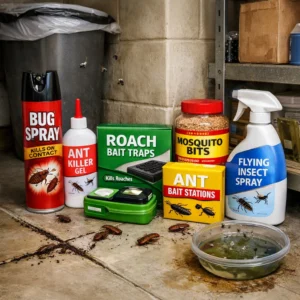
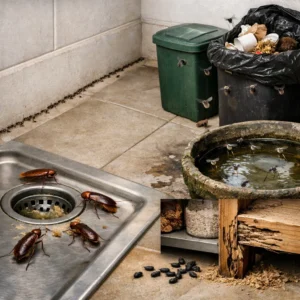
Choosing the best pest control products is not only about effectiveness. Safety, correct application, timing, and understanding the level of infestation all play a major role in whether a product actually works or creates new problems. Many pest issues get worse not because the wrong product was chosen, but because it was used incorrectly, applied in the wrong area, or relied on when professional treatment was already needed.
This guide explains how to approach pest control products in a practical and responsible way. It starts with safety considerations, then breaks down product choices by infestation level, explains correct application methods, sets realistic expectations about results, and highlights when professional intervention is the safer option. It also covers seasonal and regional factors, basic pest identification, and how to compare products without relying on marketing claims alone.
Table of Contents
ToggleSafety comes first when using pest control products
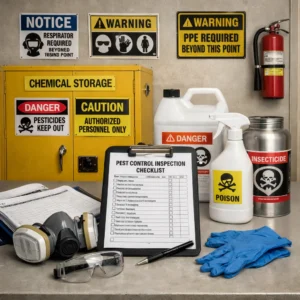
Before effectiveness, safety must always be the first consideration. Pest control products are designed to affect living organisms, which means misuse can pose risks to humans and animals if precautions are ignored.
When evaluating the best pest control products, always check:
- Pet safety: Whether the product is labeled as pet-safe once dry, or requires pets to be removed during and after application
- Child safety: Whether it can be used in homes with children and what re-entry time is required
- Indoor or outdoor use: Many products are designed strictly for indoor cracks and crevices or outdoor perimeter use
- Ventilation requirements: Especially important for sprays and foggers
- Protective equipment: Basic PPE such as gloves, masks, or eye protection
Even products marketed as “safe” or “low toxicity” still require careful handling. Labels and instructions should never be skipped.
Eco-friendly and natural alternatives: what they can and cannot do
Eco-friendly or natural pest control products appeal to households concerned about chemical exposure. These products often use plant-based ingredients, essential oils, or mechanical methods.
Common eco-friendly options include:
- Essential oil-based sprays
- Diatomaceous earth
- Sticky traps and glue boards
- Physical barriers and sealing products
While these alternatives can be useful for light pest activity or preventive control, they usually have limitations. Their effectiveness may be shorter, require more frequent application, and work best when combined with good hygiene and exclusion measures.
Choosing products based on infestation level
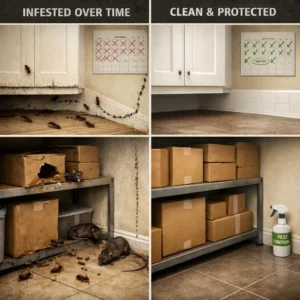
One of the biggest mistakes people make when selecting pest control products is treating all infestations the same. The best pest control products depend heavily on whether the problem is occasional, active, or severe.
Occasional sightings or early-stage activity
This level usually involves:
- Seeing a pest once in a while
- No clear signs of nesting or breeding
- No visible damage or droppings
At this stage, lighter products are often sufficient, such as:
- Residual sprays for cracks and crevices
- Ant or cockroach bait stations
- Preventive perimeter sprays
These products work best when combined with cleaning, sealing entry points, and removing attractants.
Active infestations
An active infestation usually shows clear signs such as frequent sightings, droppings, odor, or pest activity during daylight hours.
Products commonly used at this level include:
- Bait systems designed to target nests or colonies
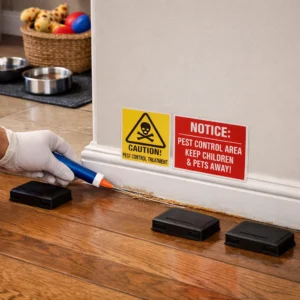
- Gel baits applied in hidden areas
- Residual insecticides with longer effectiveness duration
At this stage, users should expect results to take time. Baits often cause increased pest activity initially as pests carry the product back to the nest.
Severe infestations or recurring problems
When infestations persist despite repeated product use, or when pests spread across multiple rooms or units, consumer-grade products are often no longer sufficient.
This is where professional treatment becomes the safer and more effective choice, especially for:
- Bed bugs
- Termites
- Rodents
- Large-scale cockroach infestations
Continuing to rely on DIY products in these situations can increase health risks, property damage, and overall cost.
Correct application matters more than product choice
Even the best pest control products will fail if applied incorrectly. Many infestations worsen because products are sprayed in visible areas rather than where pests actually travel or nest.
Key treatment areas typically include:
- Cracks and crevices near walls and floors
- Behind appliances such as refrigerators and ovens
- Under sinks and around plumbing access points
- Entry points such as door frames and window gaps
- Outdoor perimeters near foundations and drainage
Spraying open surfaces or directly onto visible pests often provides short-term relief but does not address the source.
Managing expectations: how long results actually take
Pest control products rarely deliver instant results, especially when using baits or residual treatments.
Common timelines include:
- Immediate knockdown for direct-contact sprays
- Several days to weeks for bait-based products
- Gradual reduction rather than overnight elimination
It is normal to see increased pest movement after baiting. This usually indicates that the product is working, not failing.
Understanding common reactions after treatment
After applying pest control products, users may notice:
- Increased pest activity
- Pests appearing in unusual locations
- Dead insects near treated areas
These reactions are common and often temporary. Reapplying products too quickly or mixing different products can reduce effectiveness and increase risk.
Comparing pest control products without relying on brand claims
When comparing the best pest control products, it helps to focus on function rather than branding.
Key comparison factors include:
- Product purpose: Bait, repellent, residual spray, or mechanical trap
- Safety level: Indoor-safe, pet-safe once dry, or restricted-use
- Effectiveness duration: Short-term knockdown vs long-lasting residual
- Application complexity: Ready-to-use vs professional-level application
- General price range: Entry-level consumer products vs higher-grade solutions
Higher price does not always mean better results, especially if the product is not suited to the infestation type.
Regional and climate factors that affect product performance
Climate plays a significant role in how pest control products perform. Heat, humidity, and rainfall can reduce residual effectiveness and increase pest activity.
In warm climates:
- Residual sprays may break down faster
- Pests reproduce more quickly
- Outdoor treatments may need more frequent reapplication
Seasonal timing also matters. Preventive treatments are often more effective when applied before peak pest activity rather than after infestations are established.
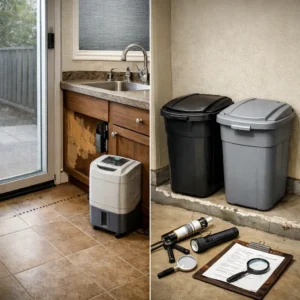
Basic pest identification helps avoid wrong product use
Using the wrong product for the wrong pest is a common reason for failure.
Basic identification tips include:
- Cockroaches prefer moisture and darkness
- Ants follow visible trails to food sources
- Bed bugs hide near sleeping areas
- Rodents leave droppings and gnaw marks
- Mosquitoes breed near standing water
Correct identification allows users to choose products designed for that specific pest.
When pest control products are no longer enough
There is a point where even the best pest control products are no longer the right solution. This usually happens when infestations become structural, widespread, or involve health risks.
Professional treatment becomes the smarter option when:
- Pests return despite repeated product use
- Multiple rooms or units are affected
- There is damage to wiring, furniture, or structures
- Health symptoms appear
- Compliance or hygiene standards are required
Professionals use controlled application methods, higher-grade products, and inspection-led strategies that are not available in retail products.
A balanced approach to pest control
The most effective pest management approach often combines responsible product use, good hygiene, exclusion measures, and professional support when needed. Pest control products are tools, not complete solutions on their own.
Understanding safety, infestation level, application technique, and realistic outcomes helps users make better decisions and avoid unnecessary risks or costs.
Conclusion
The best pest control products are those used correctly, at the right time, and for the right level of infestation. By prioritizing safety, understanding product limitations, considering environmental factors, and knowing when professional treatment is necessary, pest problems can be managed more effectively and responsibly.