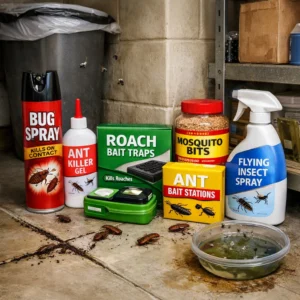
When people search for chemical for pest control, it’s often because they are either trying to handle an active infestation themselves or they are considering the safest and most effective pest control method. Chemicals for pest control, when used correctly, can be highly effective in managing a wide range of pests. However, the risks associated with improper use cannot be overlooked. This article will guide you through the essential safety and health precautions when using chemical pest control products, explain how to use them responsibly, and highlight when it’s best to seek professional assistance.
Table of Contents
ToggleEssential Safety and Health Precautions for Chemical Pest Control
Before using any chemical for pest control, understanding how to handle the chemicals safely is critical. Safety should be the primary concern when choosing to use chemical pest control products, especially in environments where children, pets, and sensitive individuals are present.
Key safety considerations include:
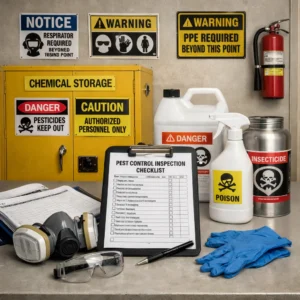
- Personal Protective Equipment (PPE): Always wear appropriate PPE, such as gloves, goggles, and long sleeves. PPE reduces exposure to chemicals and helps protect against skin irritation and accidental ingestion.
- Safe Application Practices: Always follow the instructions on the product label, including correct dilution rates, the application method (spray, dust, bait), and recommended application times.
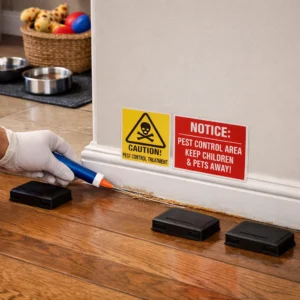
- Re-entry Times: After application, it’s important to know how long to wait before re-entering a treated area. This period ensures that chemicals have had enough time to work but also that the air and surfaces are safe again.
- Reading Chemical Labels: Learn to properly read the product labels. The label contains vital information about the chemical, including safety precautions, dosage instructions, and the specific pests it targets.
Proper use of chemicals for pest control is essential for ensuring that treatments are both effective and safe for your household.
The Importance of Matching Chemicals to Specific Pests
Different pests require different approaches for control, and choosing the wrong chemical for the job can lead to ineffective results or dangerous consequences. Understanding which chemicals are most appropriate for the pest you’re trying to control is critical to a successful pest management program.
Chemicals used for pest control generally fall into two categories: insecticides and rodenticides. These substances have different effects depending on the pests they target, and they vary in their mode of action:
- Insecticides: Designed to target insects like cockroaches, ants, flies, mosquitoes, and termites, insecticides can be further classified into those that attack the nervous system, digestive system, or exoskeleton.
- Rodenticides: These are chemicals specifically formulated to eliminate rodents like rats and mice. Some rodenticides work by interfering with blood clotting, while others affect the digestive system.
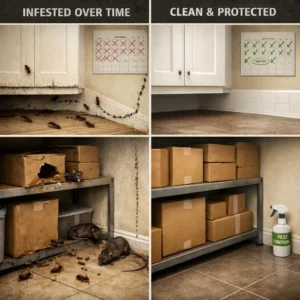
Always match the chemical product to the pest type. For example, using an insecticide designed for cockroaches on a rodent infestation will not solve the problem. Similarly, using a product unsuitable for a specific pest can result in harm to the environment, pets, or family members.
How Different Chemical Types Work and Their Effects
Chemicals for pest control can be divided into various types based on their active ingredients and how they affect pests. Understanding how each chemical works helps ensure the right treatment is applied effectively and safely.
Common Chemical Types Used in Pest Control
- Pyrethroids: These synthetic chemicals mimic natural insecticides found in chrysanthemum flowers. Pyrethroids target the nervous system of insects, leading to paralysis and death. They are commonly used for cockroaches, ants, mosquitoes, and flies.
- Neonicotinoids: A newer class of chemicals, neonicotinoids affect the insect’s nervous system by interfering with neurotransmitters. They are typically used for controlling pests like fleas, termites, and ants.
- Organophosphates: These are older chemicals that target the nervous system of pests. While effective, many organophosphates are toxic to humans and pets, which is why their use has been restricted in several countries.
- Insect Growth Regulators (IGRs): These chemicals disrupt the normal growth process of insects, preventing them from molting properly or reaching maturity. IGRs are safer for humans and pets but very effective for controlling pests like cockroaches, fleas, and ants.
- Rodenticides: Rodenticides, such as anticoagulants and neurotoxins, affect rodents by either thinning their blood (leading to death) or disrupting nerve functions. These are typically used in bait traps or stations.
The duration of a chemical’s effects varies depending on its type, application method, and environmental factors. For instance, some insecticides have residual effects for weeks or even months, while others may break down more quickly, requiring reapplication. It’s important to follow the recommended guidelines for reapplication to ensure continued pest control and minimize risk to the environment.
Integrated Pest Management and Chemical Control
While chemicals can be effective for pest control, they should be part of a broader Integrated Pest Management (IPM) strategy. IPM combines different pest control methods to manage pest problems effectively while minimizing risks to health and the environment.
IPM strategies include:
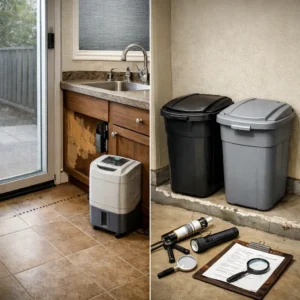
- Sanitation: Keeping environments clean and free from food and water sources reduces the likelihood of pests.
- Exclusion: Sealing cracks and gaps in walls, doors, and windows prevents pests from entering your home or business.
- Biological control: Using natural predators or parasites to control pests, such as releasing beneficial nematodes to control soil pests.
- Cultural control: Adjusting practices like watering schedules, lawn care, and waste disposal to discourage pest activity.
Chemical control should only be used when other measures are insufficient, and it should always be used as part of an integrated strategy. Over-reliance on chemicals can lead to resistance, making it harder to control pests in the future.
When is DIY Chemical Use Appropriate versus Professional Help?
Using chemicals for pest control is an attractive option for many people who want to save time or money. However, DIY chemical control has limitations, and in certain situations, it can be dangerous or ineffective.
DIY chemical use may be appropriate when:
- The infestation is small and manageable
- You can identify the pest and the appropriate chemical treatment
- You have access to safe, easy-to-use chemicals that target the pest without posing a significant health risk
However, in many cases, professional intervention is required. DIY chemical treatments can be hazardous if misapplied or overused. Professionals have the expertise to:
- Properly identify the pest
- Use the correct chemical and method for the situation
- Apply chemicals safely, with consideration for health risks and the environment
- Provide follow-up services and maintenance plans to ensure long-term pest control
If you’re unsure whether you need professional help or want to ensure safe application, consider contacting a licensed pest control service.
Post-Treatment Handling and Long-Term Prevention
Once chemical pest control has been applied, it’s crucial to follow proper post-treatment handling to maximize effectiveness and ensure safety. The area must be ventilated to remove chemical residues and odors. If pets or children are in the treated area, be sure to follow the re-entry instructions on the label.
Long-term prevention should focus on:
- Regularly cleaning and inspecting the treated areas
- Sealing gaps and cracks in the building
- Using non-chemical prevention methods like traps, barriers, and baits
Proper post-treatment handling is as important as the treatment itself. Failure to follow these steps can lead to a recurrence of the pest issue.
Conclusion
Chemical for pest control can be a powerful tool in managing pest issues, but it must be used responsibly and safely. By understanding the different chemical types, how they work, and how to apply them safely, homeowners and business owners can effectively control pests while reducing health and environmental risks. Always consider Integrated Pest Management strategies, and when in doubt, seek professional help to ensure the best results.