Fast pest control situations usually happen when a pest problem suddenly feels out of control. You may have just seen cockroaches running during the day, heard noises in the ceiling at night, discovered bites on your skin, or noticed pests in areas that affect food, hygiene, or safety. In moments like this, stress is high and decisions are often rushed. The goal of fast pest control is not only speed, but also protecting people, pets, and property while stopping the problem from getting worse.
This guide is written to help you act calmly and effectively during urgent pest situations. It explains what to do immediately, how to tell the difference between quick fixes and lasting solutions, how to identify common pests under pressure, how to prevent pests from returning, and how to evaluate professional help based on trust, availability, and realistic expectations.
Table of Contents
ToggleWhat to do right now in a fast pest control situation
When pests are active, the first priority is safety. Panic responses, such as spraying random chemicals or moving items without a plan, often make the situation worse.
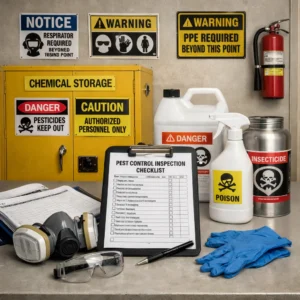
Immediate safety checklist
- Keep children and pets away from the affected area
- Avoid spraying household chemicals near food, toys, or bedding
- Do not touch pests directly, especially rodents or insects that may bite
- Close doors to limit pest movement between rooms
- Ventilate the area if there is a strong odor or visible contamination
These steps help reduce immediate risk while you assess the situation more clearly.
Quick assessment to reduce stress and confusion
Fast pest control does not mean acting blindly. Taking a few minutes to observe can make a big difference in choosing the right response.
Ask yourself these questions
- Where did the pest appear first?
- Is the activity happening during the day or night?
- Is food or water nearby?
- Is this a one-time sighting or repeated activity?
- Are there signs such as droppings, nests, or damage?
Even basic observations help determine whether the problem is likely minor or already established.
Speed versus effectiveness: understanding the difference
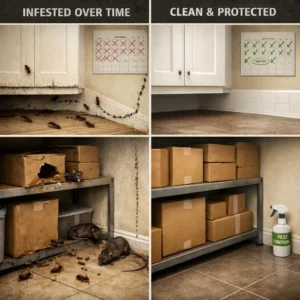
One of the biggest misunderstandings in fast pest control is assuming that the fastest action is always the best action. In reality, speed without strategy often leads to repeat infestations.
Quick DIY actions that help in the short term
- Removing visible food sources
- Cleaning spills and crumbs immediately
- Temporarily sealing obvious gaps
- Using physical traps in controlled areas
These actions may reduce visible activity but rarely eliminate the source.
Why fast professional pest control works differently
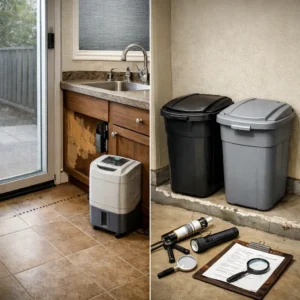
- Inspection identifies the root cause, not just symptoms
- Treatments are targeted to specific pests
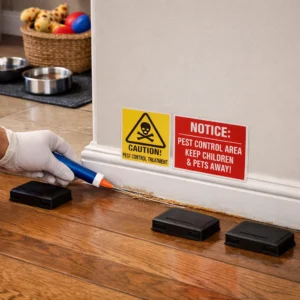
- Products are applied safely and correctly
- Entry points and breeding areas are addressed
- Follow-up prevents rebound infestations
The goal is rapid control that also lasts beyond the first few days.
Common pests that trigger fast pest control calls
Certain pests are more likely to cause urgent concern due to health risks, rapid spread, or distressing behavior.
Visual identification cues
| Pest | Common Signs | Why It Feels Urgent |
|---|---|---|
| Cockroaches | Daytime movement, kitchen or bathroom activity | Health risk, rapid reproduction |
| Bed bugs | Bites, blood spots on bedding | Spreads quickly, affects sleep |
| Rats or mice | Noises, droppings, gnaw marks | Health risk, wiring damage |
| Ants | Trails leading to food | Hidden colony, fast spread |
| Mosquitoes | Bites, buzzing, standing water nearby | Comfort and health concerns |
Identifying the pest helps reduce uncertainty and guides the next step.
Managing expectations during urgent pest situations
Fast pest control does not always mean pests disappear instantly. Understanding realistic timelines helps reduce frustration.
What usually happens after treatment
- Increased pest activity shortly after treatment is normal
- Some pests may appear before dying or retreating
- Egg cycles may require follow-up treatment
- Environmental factors influence speed of results
Professional methods aim for rapid control, but complete resolution often takes a short, planned period rather than minutes.
Preventing pests from returning after fast pest control
Stopping pests quickly is only half the solution. Preventing their return is what protects your space long term.
Securing common entry points
- Seal gaps around doors and windows
- Fix cracks near plumbing and electrical lines
- Repair damaged screens and vents
- Close openings in ceilings and storage areas
Correcting common misconceptions about cleanliness
- Clean homes can still have pests
- Moisture attracts pests more than dirt
- Pests often enter from neighboring units
- One missed food source is enough for survival
Prevention focuses on access and conditions, not just surface cleanliness.
Trust signals to look for in fast pest control services
Urgency makes it easy to choose the wrong provider. Trust signals help reduce risk.
Indicators of reliable fast pest control
- Clear availability and response options
- Local knowledge of common pests
- Willingness to explain steps calmly
- Inspection before treatment
- Transparent communication about next steps
A reliable service focuses on control, not fear.
Emergency response options and service availability
Fast pest control often requires flexible scheduling. Emergency or same-day options are useful, but should still follow proper procedures.
Emergency response typically includes:
- Initial phone or message assessment
- Rapid on-site inspection when necessary
- Immediate containment measures
- Planned follow-up if needed
Understanding pricing during urgent pest control situations
Pricing during fast pest control situations depends on several factors. While urgency matters, costs are usually based on the scope of work rather than speed alone.
Common pricing factors include:
- Type of pest involved
- Size of the affected area
- Severity of infestation
- Indoor versus outdoor treatment
- Need for follow-up visits
Professional services explain costs clearly before starting work and confirm scope to avoid surprises. Emergency response does not automatically mean uncontrolled pricing.
Choosing the right next step under pressure
Fast pest control situations are stressful, but acting with clarity protects both safety and results.
Choose professional help when:
- Pests appear repeatedly or in multiple areas
- Health or hygiene is at risk
- Children or pets are involved
- DIY actions do not reduce activity
A calm way forward when pests feel urgent
Fast pest control is about responding quickly without creating new risks. Immediate safety steps, basic assessment, and informed decisions help control the situation effectively.
First Station Pest Control Services provides fast pest control support through inspection-led response, emergency availability, and clear communication. When the situation feels urgent, using the WhatsApp or Call button allows you to explain what is happening, understand the next step, and act without unnecessary panic.
Conclusion
Fast pest control works best when speed is combined with strategy. By prioritizing safety, understanding the difference between quick fixes and lasting solutions, identifying pests accurately, securing entry points, and choosing reliable professional support, urgent pest situations can be controlled calmly and effectively.