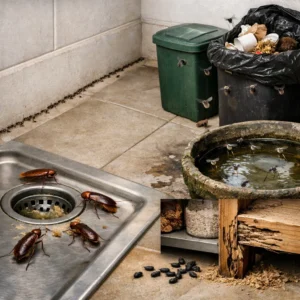
Gel pest control is widely used in homes and commercial spaces because it targets pests quietly and over time, without filling the air with chemicals or leaving visible residue. Many people choose gel pest control when they want a cleaner and more controlled approach, especially in kitchens, bedrooms, offices, restaurants, or areas where children and pets are present. However, gel pest control only works properly when it is applied in the right way and used with realistic expectations.
This article explains how gel pest control works, why it is designed as a long-term control method rather than an instant solution, where gel bait should be placed, how to use it safely around children and pets, and which common mistakes reduce its effectiveness. It also covers re-application timing, maintenance, troubleshooting problems such as bait avoidance, basic monitoring methods, and clear guidance on when gel pest control is no longer enough and professional treatment is required.
Table of Contents
ToggleHow gel pest control works
Gel pest control uses bait-based formulations that attract specific pests, most commonly cockroaches and ants. Instead of killing pests on contact, the gel is designed to be eaten and carried back to nesting or hiding areas.
Once a pest consumes the gel:
- The active ingredient works slowly, not instantly
- The pest returns to its hiding place or nest
- Other pests are exposed through contact or feeding
- The population is gradually reduced over time
This delayed-action mechanism is intentional. Gel pest control relies on pest behavior, especially feeding and social interaction, to spread the effect beyond the individual insect that first consumes the bait.
Why gel pest control is not an instant solution
One of the most common misunderstandings about gel pest control is expecting immediate results. Unlike spray pesticides that knock pests down quickly, gel works gradually.
After proper gel pest control application, it is normal to see:
- Continued pest activity for several days
- Increased movement as pests search for food
- Gradual reduction rather than sudden disappearance
This does not mean the gel is failing. In fact, rapid pest death near the bait often reduces effectiveness because pests die before returning to their hiding areas.
Types of pests commonly controlled with gel pest control
Cockroaches
Cockroaches are the primary target of gel pest control. They are attracted to food-based baits and tend to feed and share spaces, making gel particularly effective when placed correctly.
Ants
Ant gel bait works by exploiting the ants’ food-sharing behavior. Worker ants carry the bait back to the colony, where it affects the queen and other members.
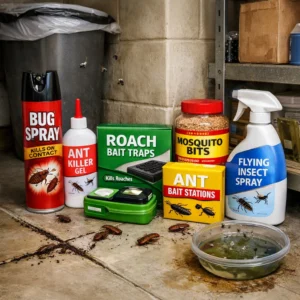
Gel pest control is generally not effective for pests such as mosquitoes, flies, rodents, or termites, which require different treatment methods.
Correct placement areas for gel pest control
Placement is the most critical factor in gel pest control success. Incorrect placement often leads to poor results even when high-quality gel is used.
Effective placement areas include:
- Cracks and crevices where pests hide
- Behind kitchen cabinets and drawers
- Under sinks and near plumbing lines
- Around appliance motors such as refrigerators or ovens
- Along wall junctions and corners
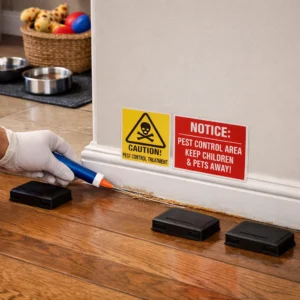
Gel should be placed in small dots or thin lines, not smeared over large areas. Pests are more likely to feed when gel is discreet and undisturbed.
Areas where gel pest control should not be applied
Incorrect placement can make gel pest control ineffective or unsafe.
Avoid applying gel:
- On open surfaces where it can be wiped away
- Near food preparation areas without proper separation
- In areas exposed to direct sunlight or heat
- On dusty or greasy surfaces
- Where cleaning products are frequently used
Heat, chemicals, and frequent cleaning can dry out or contaminate the gel, making it unattractive to pests.
Safety precautions for children and pets
One reason many people prefer gel pest control is its low exposure compared to sprays. However, basic safety rules still apply.
Safe use practices include:
- Placing gel out of reach of children and pets
- Using minimal amounts rather than excess bait
- Avoiding placement on open floors or furniture
- Washing hands after application
When used correctly, gel pest control presents significantly lower risk than airborne or surface-wide pesticide application.
Common mistakes that reduce gel pest control effectiveness
Combining gel with spray pesticides
One of the most common mistakes is using spray insecticides in the same area as gel bait. Sprays repel pests, preventing them from feeding on the gel.
Overusing gel
Applying too much gel can cause bait avoidance. Pests may ignore large blobs, especially if the gel dries out.
Placing gel in visible open areas
Pests prefer dark, protected spaces. Visible gel on open surfaces is often ignored or removed during cleaning.
Cleaning bait areas too frequently
Frequent cleaning near bait placement removes scent trails and disrupts feeding patterns.
Re-application timing and maintenance
Gel pest control requires monitoring and maintenance to remain effective.
Typical re-application guidelines include:
- Inspect bait points after 5–7 days
- Reapply if gel has been consumed or dried
- Remove hardened or contaminated bait
- Adjust placement if pest activity shifts
Complete control often takes several weeks, depending on infestation size and pest behavior.
Visual guidance for correct placement
Although gel pest control is discreet, visual inspection helps ensure proper application.
Correct placement usually looks like:
- Small dots roughly the size of a grain of rice
- Hidden inside cracks or corners
- Placed in multiple locations rather than one spot
If gel is clearly visible from standing height, it is likely misplaced.
Troubleshooting bait avoidance
Sometimes pests appear to ignore gel pest control bait. This can happen for several reasons.
Common causes of bait avoidance include:
- Availability of other food sources
- Use of repellent sprays nearby
- Old or dried-out gel
- Incorrect bait type for the pest species
Reducing alternative food sources and adjusting placement usually restores effectiveness.
Complementary monitoring methods
Monitoring helps evaluate whether gel pest control is working.
Simple monitoring methods include:
- Sticky traps placed near bait areas
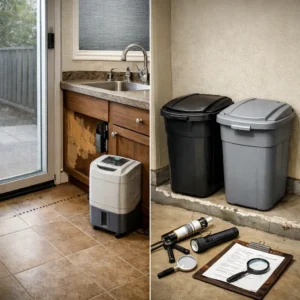
- Night-time inspection with a flashlight
- Tracking droppings or movement patterns
Monitoring allows timely adjustment before infestations grow again.
When gel pest control is no longer sufficient
Gel pest control works best for light to moderate infestations. It becomes insufficient when:
- Pest activity remains high after several weeks
- Multiple rooms or floors are affected
- Nests are located inside walls or ceilings
- Pests return quickly after repeated applications
- Health or hygiene risks increase
In these cases, apparent surface activity usually represents a deeper infestation that requires professional tools and methods.
Why professional treatment may be required
Professional pest control combines gel pest control with inspection, monitoring, and complementary treatment methods. This integrated approach addresses both visible pests and hidden sources.
Professional intervention helps:
- Identify nesting and breeding zones
- Select the correct bait formulation
- Combine gel with non-repellent treatments safely
- Prevent reinfestation through exclusion guidance
Early professional involvement often reduces overall treatment time and cost.
A practical next step if results are unclear
Gel pest control is a powerful tool when used correctly, but it is not a universal solution. If pest activity continues despite proper placement and maintenance, the issue is often more complex than surface-level infestation.
At this stage, consulting a professional pest control service helps determine whether gel pest control should be supplemented or replaced with a more comprehensive treatment approach, ensuring effective and safe long-term control.
Conclusion
Gel pest control offers a discreet, targeted, and low-exposure method for managing certain pest problems. Understanding how it works, applying it correctly, avoiding common mistakes, and recognizing its limitations are essential for success. When used as part of a broader control strategy, gel pest control can be an effective step toward long-term pest management.