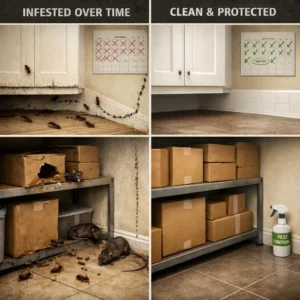
German cockroach pest control becomes a serious concern when repeated sightings, fast spread, and persistent activity start affecting hygiene and daily comfort. German cockroaches are not occasional invaders. When they appear, it usually signals an active infestation that can grow rapidly if handled incorrectly. Understanding how to identify them, why they are difficult to eliminate, and what actually works is essential before choosing between DIY efforts and professional intervention.
This article explains how to correctly identify German cockroaches, how to distinguish an infestation from a single sighting, why they are so difficult to control, common mistakes that make the problem worse, and what a professional-grade control approach looks like. It also provides a practical checklist of hiding and breeding areas, guidance on monitoring progress, realistic expectations for results, pricing considerations at a general level, and clear indicators of when professional help is necessary.
Table of Contents
ToggleHow to visually identify German cockroaches
Correct identification is the first step in effective german cockroach pest control. German cockroaches are often confused with other species, but they have several distinct characteristics that make them recognizable.
Key physical features include:
- Light brown to tan body color
- Two dark, parallel stripes running lengthwise behind the head
- Small size compared to American or Oriental cockroaches
- Flat oval-shaped body that allows them to hide in narrow spaces
- Long antennae often longer than the body itself
Adult German cockroaches are typically smaller than a fingernail, while nymphs appear darker and even smaller. Their size allows them to hide in cracks, appliance seams, and electrical outlets.
Behavioral signs that indicate an active infestation
Seeing a single cockroach does not always mean there is an infestation. However, German cockroaches behave differently from occasional outdoor invaders.
Signs of an active German cockroach infestation include:
- Frequent sightings during daytime hours
- Multiple cockroaches appearing at once
- Activity around kitchens, bathrooms, and food storage areas
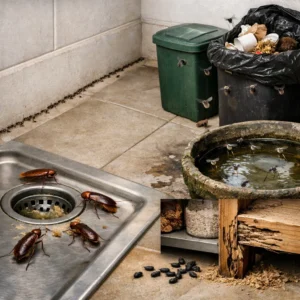
- Presence of small droppings resembling black pepper or coffee grounds
- Egg cases (oothecae) hidden in cracks or near appliances
Daytime activity is one of the strongest indicators of infestation. German cockroaches are primarily nocturnal, so seeing them during the day often means overcrowding has forced them out of hiding.
Why German cockroaches are especially difficult to eliminate
German cockroach pest control is challenging because this species is uniquely adapted to survive in human environments. Several biological and behavioral factors make them more difficult to control than other cockroach species.
Rapid reproduction
German cockroaches reproduce at an alarming rate. A single female can carry dozens of eggs in one egg case and produce multiple cases over her lifetime. Because the eggs are protected until hatching, many treatments fail to stop the next generation from emerging.
Ability to hide in extremely tight spaces
Their small, flat bodies allow German cockroaches to hide inside appliance motors, behind wall plates, under sinks, inside cabinets, and even within electronics. These locations are often inaccessible to sprays or surface treatments.
Aversion and resistance to common baits
Over time, German cockroaches have developed behavioral resistance to many commonly used baits. Some populations learn to avoid certain bait formulations entirely, while others develop physiological resistance that reduces effectiveness.
Dependence on indoor environments
Unlike other cockroaches that may enter from outdoors, German cockroaches thrive almost exclusively indoors. This means they are constantly close to food, water, and warmth.
Common mistakes and myths that worsen infestations
Many infestations become worse because of well-intentioned but ineffective actions. Understanding what not to do is just as important as knowing what works.
Fogging and bug bombs
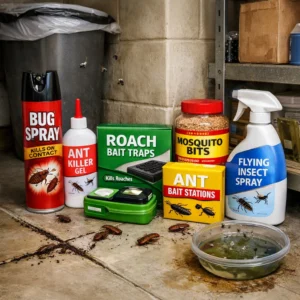
One of the most damaging myths is that foggers or bug bombs will eliminate German cockroaches. In reality, these products often drive cockroaches deeper into walls and hidden spaces, spreading the infestation further.
Overusing sprays
Frequent spraying can contaminate bait placements and make cockroaches avoid treated areas without killing them. This disrupts effective control strategies.
Relying on natural remedies alone
Home remedies such as essential oils, baking soda, or vinegar may repel cockroaches temporarily but do not address breeding populations or egg cases.
Ignoring sanitation issues
Even the best treatment will fail if food residues, grease buildup, and moisture sources are not addressed. German cockroaches can survive on very small amounts of food.
A professional-grade approach to German cockroach control
Effective german cockroach pest control requires a coordinated, multi-step approach rather than a single treatment method.
Sanitation as a foundation
Sanitation reduces available food and water, making control measures more effective. This includes thorough cleaning of kitchens, proper food storage, regular trash removal, and fixing leaks.
Strategic baiting
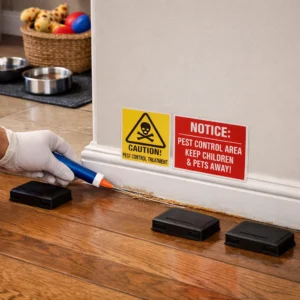
Professional baiting focuses on placing small amounts of high-quality bait in targeted locations where cockroaches travel and hide. Correct placement is more important than quantity.
Use of insect growth regulators
Growth regulators disrupt the cockroach life cycle by preventing nymphs from developing into breeding adults. This is critical for long-term population control.
Treatment rotation
Rotating treatment formulations helps prevent resistance. Professionals adjust strategies based on observed behavior and infestation response.
Common hiding and breeding hotspots checklist
German cockroaches concentrate in specific areas where food, warmth, and moisture are present.
- Behind refrigerators and ovens
- Inside dishwasher and microwave housings
- Under sinks and inside cabinets
- Behind wall sockets and switch plates
- Cracks along baseboards and countertops
- Storage areas with cardboard boxes
- Trash bins and recycling areas
- Commercial kitchen equipment and storage shelves
Monitoring progress and setting realistic expectations
German cockroach pest control does not produce instant results. After treatment begins, increased activity may be observed as cockroaches are driven out of hiding.
What to expect during control:
- Initial increase in visible activity
- Gradual reduction over several weeks
- Continued presence of small nymphs early on
- Significant decline with proper follow-up
Monitoring involves checking bait consumption, trap counts, and activity patterns rather than expecting immediate elimination.
General pricing considerations
German cockroach pest control pricing varies depending on infestation severity, property size, and access complexity. Costs are influenced by the number of treatments required, use of specialized products, and follow-up visits.
Heavier infestations typically require multiple visits and ongoing monitoring. Because of this, pricing is usually confirmed after inspection rather than offered as a one-size-fits-all solution.
When the infestation is beyond DIY control
DIY methods may help in very early stages, but German cockroach infestations often cross the DIY threshold quickly.
Professional intervention is necessary when:
- Cockroaches are seen during the day
- Multiple rooms or units are affected
- Egg cases or nymphs are frequently observed
- DIY treatments fail repeatedly
- Health concerns arise
A practical next step when German cockroaches persist
German cockroach infestations rarely resolve without structured intervention. Left untreated, they can spread rapidly, contaminate food areas, trigger allergies, and increase long-term costs.
First Station Pest Control Services approaches german cockroach pest control through inspection-led treatment, strategic baiting, growth regulation, and follow-up monitoring. If the infestation feels persistent or overwhelming, using the WhatsApp or Call button at the top of the page allows a calm discussion with the team to assess the situation and determine the safest way forward.
Conclusion
German cockroach pest control requires patience, precision, and the right strategy. By correctly identifying the pest, avoiding common mistakes, using professional-grade methods, and knowing when to seek expert help, infestations can be controlled effectively and prevented from returning.