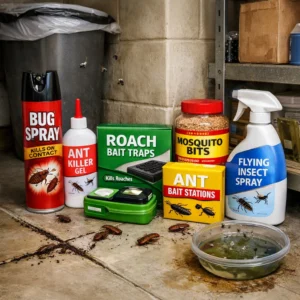
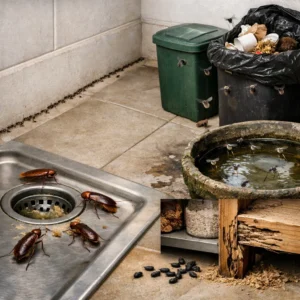
Home pest treatment is an essential part of maintaining a safe, clean, and healthy living environment. Whether you’re dealing with ants in the kitchen, rodents in the attic, or bed bugs in your bedroom, understanding how to identify, treat, and prevent pest problems is key to keeping your home comfortable. In this comprehensive guide, we’ll walk through how to identify pests, when it’s time to tackle the issue yourself versus when to call in professionals, safety considerations for treatments, prevention strategies, and the cost vs. value of DIY treatments versus professional pest control services.
Table of Contents
ToggleIdentifying Common Household Pests: Visual Aids and Key Signs
The first step in dealing with any pest issue is identifying the type of pest causing the problem. Each pest behaves differently, and understanding their habits will help you determine whether it’s something you can handle on your own or if professional pest treatment is necessary. Below, we’ll discuss common pests found in homes and how to distinguish them from similar-looking pests.
Common Pests vs. Look-alikes
One of the biggest challenges in pest control is distinguishing between pests and harmless insects or household items. Some common pests can resemble others, making it important to know what you’re dealing with before taking action. Here’s a quick guide:
- Cockroaches: Roaches are typically brown or black with long antennae and oval bodies. They often hide in dark, moist areas. Look-alike: Water bugs. Water bugs may look similar but are generally larger and found near water sources.
- Ants: Small, often black or red insects with a narrow waist. Ants leave trails to their nests, often found in kitchens and bathrooms. Look-alike: Termite swarmers. Termite swarmers can resemble ants but have straight antennae and wings that are roughly the same size.
- Bed Bugs: Tiny, reddish-brown bugs that feed on blood and leave behind small bite marks. Look-alike: Carpet beetles, which are also tiny but do not bite humans.
- Mice/Rats: Rodents with large ears and long tails, often found in attics, kitchens, or basements. Look-alike: Squirrels, which may invade attics but are much larger and often found outdoors.
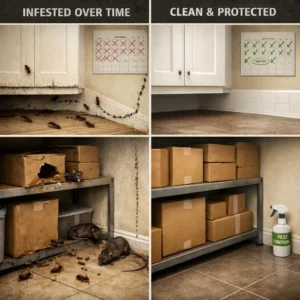
Key Signs of an Infestation
To determine if you have a pest problem, look for specific signs that indicate activity:
- Droppings: Tiny droppings in kitchen corners, under sinks, or near nests indicate rodents or insects.
- Nesting Sites: Piles of shredded paper, fabric, or insulation may indicate rodent nests. Cockroaches will also leave egg sacs in hidden areas.
- Damage: Gnaw marks, chewed wires, or holes in food packaging are signs of rodents or termites.
- Smell: A musty odor could indicate mold-related pests like dust mites, while a foul odor could be from rotting food or rodents.
If you notice any of these signs, it’s time to assess the severity of the infestation and decide whether to treat the problem yourself or seek professional pest control services.
Safety Considerations in Home Pest Treatments
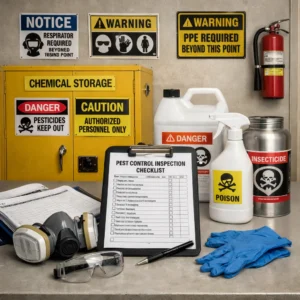
When dealing with pest control at home, safety should always be a top priority, especially for households with children or pets. Many over-the-counter pest control products contain chemicals that can be harmful if used improperly. In this section, we’ll compare natural and chemical treatments, highlighting when each is necessary and how to ensure safety.
Natural vs. Chemical Treatments
Natural pest control methods often involve using ingredients that are safe for the environment and your family. These methods typically use oils, vinegar, or homemade solutions to repel or kill pests. However, they may not always be as effective as chemical treatments for larger infestations.
- Natural Treatments: These are usually safer for children, pets, and plants. Common natural remedies include essential oils (like peppermint, eucalyptus, or lavender), diatomaceous earth, and vinegar.
- Chemical Treatments: Chemical treatments tend to be more powerful and effective for larger infestations. However, they can be toxic and require careful handling. They’re typically needed for pests like termites, bed bugs, and certain rodents.
It’s essential to read the labels of any pest control product carefully to ensure it is safe for your home environment. For chemical treatments, ensure proper ventilation and clear the area of pets and children until the treatment is dry or dissipated.
Pet-Safe and Kid-Friendly Products
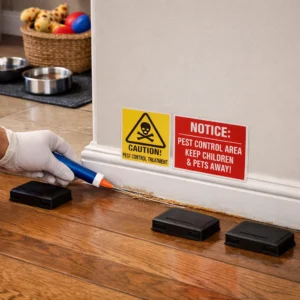
If you have pets or young children, opting for pet-safe or kid-friendly pest control solutions is crucial. Look for treatments that specifically mention safety for pets and children on the label. Many natural treatments are safe, but even these require caution to ensure there’s no risk to your loved ones.
For pet-safe options, consider:
- Essential oil repellents (peppermint, lemon, or citronella)
- Diatomaceous earth (food-grade only)
- Non-toxic traps for rodents and ants
Step-by-Step Execution Guide for Home Pest Treatment
Now that you have a better understanding of common pests, signs of infestation, and safety concerns, let’s look at a step-by-step execution guide for treating various areas of your home. We’ll use the zone method to address different areas that are typically affected by pests.
Step 1: Kitchen
The kitchen is often the most affected area, with food crumbs and moisture attracting ants, cockroaches, and rodents. Here’s how to treat it:
- Clean all food surfaces, floors, and under appliances.
- Seal cracks around doors, windows, and pipes with caulk.
- Set up traps for rodents and cockroaches in dark corners and along baseboards.
- Use a safe, pet-friendly spray to eliminate ants or cockroaches.
Step 2: Bathroom
Bathrooms are often humid, creating ideal conditions for pests like cockroaches and mold-related pests. Here’s what to do:
- Ensure all drains are clear and dry.
- Use a vinegar and water solution to clean surfaces.
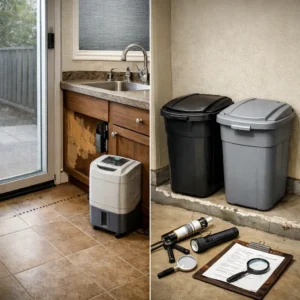
- Place a dehumidifier in bathrooms prone to moisture buildup.
- Seal any gaps around windows, pipes, and vents.
Step 3: Attic
Rodents often make their way into the attic, chewing on insulation, wires, and creating nests. Here’s how to secure this area:
- Inspect for holes or cracks in the attic walls.
- Install rodent traps in corners, along beams, or in the insulation.
- Seal off entry points where rodents might enter (e.g., gaps around vents).
- If necessary, use chemical deterrents for larger infestations.
Step 4: Exterior
The exterior of your home is an important area for pest control, especially when dealing with ants, termites, and mosquitoes. Here’s how to handle it:
- Trim overgrown bushes and shrubs near your foundation.
- Inspect for cracks and gaps around windows and doors.
- Apply a barrier treatment around the perimeter of the house to prevent pests from entering.
- Install outdoor traps for mosquitoes or other insects.
Common Mistakes to Avoid in Home Pest Treatment
When trying to control pests at home, there are several common mistakes that can lead to ineffective treatment or worsen the problem:
- Not addressing the source: Treating pests without finding the source of the problem leads to recurring infestations.
- Using too much pesticide: Overuse of chemicals can be dangerous for children and pets and may drive pests to other areas.
- Ignoring prevention: Failing to seal cracks, eliminate moisture sources, or clean up after treatment will likely cause pests to return.
Prevention Strategies for Long-Term Control
Effective pest control is not just about reacting to an infestation—it’s about preventing future problems from arising. Here are some key prevention strategies:
- Seal cracks and gaps: Ensure all windows, doors, and pipes are properly sealed.
- Manage moisture: Fix any leaks and maintain proper ventilation in kitchens, bathrooms, and attics.
- Regular inspections: Check for signs of pests at least once a month, especially in high-risk areas like the kitchen and attic.
- Seasonal treatments: Apply pest control treatments at the start of each season to prevent pests from migrating indoors.
DIY vs. Professional Pest Control: Cost vs. Value
While DIY treatments can be cost-effective for minor pest issues, they often lack the effectiveness and safety of professional services. Let’s break down the cost versus value of DIY treatments and professional pest control:
DIY Pest Control
DIY pest control may seem like a cheaper option. Here are some typical costs:
- Basic insecticides: AED 20–50 per bottle
- Traps: AED 10–30 per trap
- Natural repellents (essential oils, vinegar): AED 20–100 depending on the solution
While DIY is tempting, these methods often fail to fully eliminate the problem, especially in large infestations. In many cases, the pests will return quickly.
Professional Pest Control
Professional pest control services offer more thorough and effective treatments. The costs for basic residential treatment are generally as follows:
- Studio apartment: AED 119
- 1-bedroom apartment: AED 139
- 2-bedroom apartment: AED 179
- 3-bedroom apartment: AED 211
- 4-bedroom apartment: AED 238
- 5-bedroom apartment: AED 287
While the upfront cost is higher than DIY, professional treatments offer a more long-term solution and can prevent ongoing problems that will ultimately cost more in repairs or health consequences.
Interactive Pest Identification Quiz
To help you identify the pest causing problems in your home, we’ve created a simple quiz. Use the images and descriptions to determine which pest you might be dealing with, and find out the best treatment options based on your results. This can be a useful tool in deciding whether you need to call for professional help or if the problem is manageable on your own.
Conclusion
When it comes to home pest treatment, identifying the problem, addressing it properly, and using the right solutions are essential to maintaining a pest-free home. DIY treatments can be helpful at an early stage, but when the problem escalates, professional pest control services are the safest and most effective solution. By following proper pest control methods, staying ahead of potential issues with regular maintenance, and using safe, effective treatments, you can prevent future infestations and ensure a healthy, comfortable home environment.