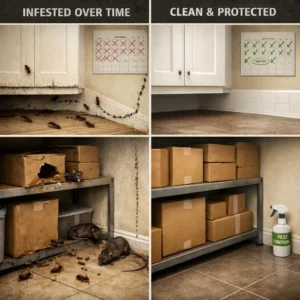
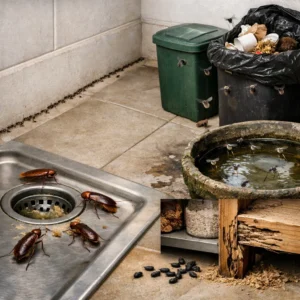
Pest control is not something that follows a single universal schedule. Many people ask how often to do pest control because they want a clear rule they can follow, but in reality, treatment frequency depends on several interconnected factors. The right timing is influenced by the type of pest, the condition of the property, environmental factors, and whether the goal is prevention or active infestation control.
This article explains how often to do pest control in a practical and realistic way. It covers general maintenance ranges for routine prevention, new properties, and active infestations, explains how climate, geography, property type, and seasonal changes affect treatment intervals, compares DIY and professional treatment frequency, outlines recommended schedules for common pests, and clarifies when additional or emergency visits are needed. It also discusses service planning, follow-up expectations, and pricing considerations without relying on fixed numbers.
Table of Contents
ToggleWhy there is no single answer to how often to do pest control
The idea of a fixed pest control schedule is appealing, but it rarely works in practice. Pest activity is dynamic. It changes based on environmental conditions, human behavior, building structure, and the biology of the pest itself.
Some of the main reasons there is no single rule for how often to do pest control include:
- Different pests have different life cycles and reproduction rates
- Properties vary in size, layout, and construction quality
- Climate and weather patterns influence pest activity
- Human activity, cleanliness, and maintenance habits differ
- Previous infestations can leave residual risk
Because of this, pest control should be viewed as a flexible plan rather than a fixed calendar event.
General maintenance ranges for routine pest prevention
For properties without active infestations, pest control is often approached as preventive maintenance. The goal is to reduce the likelihood of pests establishing themselves rather than reacting after they appear.
In routine prevention scenarios, pest control is usually performed at regular intervals spaced far enough apart to maintain protection but close enough to prevent buildup. These maintenance treatments focus on monitoring, barrier protection, and early detection.
Preventive pest control may be suitable for:
- Homes with no recent pest history
- Well-maintained properties with good hygiene
- Low-risk environments with minimal exposure
- Properties already protected by previous professional treatment
Even in preventive situations, inspections remain important. A visual check or monitoring visit can help confirm whether the current schedule is still appropriate.
Pest control frequency for new properties
New properties are often assumed to be pest-free, but this is not always the case. Construction activity can disturb soil, nests, and surrounding environments, pushing pests toward newly built structures.
For new homes or commercial spaces, pest control frequency is usually focused on early monitoring and initial protection. This approach helps prevent pests from settling in during the early occupancy period.
New properties may require more frequent attention initially, especially if:
- The building is located near undeveloped land
- There has been recent construction nearby
- Landscaping or garden work is ongoing
- The area has a known history of pest activity
Once stability is established and no activity is detected, the schedule can often be adjusted to a standard preventive range.
How often to do pest control during an active infestation
Active infestations require a different approach. When pests are already present, the goal shifts from prevention to elimination and control.
During an active infestation, pest control is typically performed more frequently at the beginning. This allows treatments to target different stages of the pest life cycle and prevent reinfestation.
More frequent visits may be needed when:
- Pests are visible during daytime
- Multiple rooms or areas are affected
- Nests or breeding sites are present
- The infestation has been active for a long time
As pest activity decreases, treatment intervals are often extended. This gradual adjustment helps ensure pests are fully controlled before transitioning back to maintenance.
How geography and climate affect pest control frequency
Geography and climate play a major role in determining how often to do pest control. Warm climates support continuous pest activity, while cooler climates may naturally slow reproduction during certain seasons.
In warmer regions, pests may:
- Breed year-round without seasonal interruption
- Remain active indoors even during hotter months
- Seek shelter in buildings during extreme heat
In these environments, pest control schedules are often more consistent throughout the year, rather than seasonal.
In regions with seasonal changes, pest control frequency may increase during specific times when pests are more active, such as warmer or wetter periods.
The role of property type in pest control scheduling
How often to do pest control also depends heavily on the type of property being treated.
Residential homes
Homes typically focus on comfort, health, and long-term prevention. Pest control frequency is influenced by household habits, cleanliness, and surrounding environment.
Apartments and shared buildings
Shared structures often require more consistent monitoring because pests can move between units through walls, ceilings, and service ducts.
Commercial properties
Businesses such as restaurants, offices, warehouses, and retail spaces often require more frequent pest control due to higher exposure, regulatory requirements, and reputational risk.
Commercial pest control schedules are often planned as ongoing programs rather than one-time treatments.
Seasonal changes and their impact on pest activity
Seasonal changes influence pest behavior even in relatively stable climates.
During warmer seasons, pests tend to:
- Reproduce faster
- Expand their range
- Seek food and water more aggressively
During cooler or drier periods, some pests may:
- Move indoors for shelter
- Become less visible but remain active
- Hide in walls and storage areas
Because of this, pest control frequency may need to increase temporarily during peak activity periods.
DIY versus professional treatment frequency
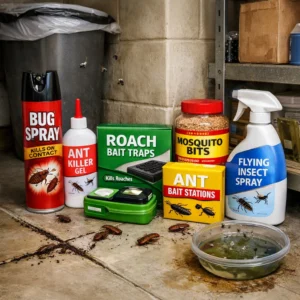
DIY pest control often relies on reactive treatment. Products are applied when pests are seen, rather than as part of a long-term plan.
As a result, DIY methods often require more frequent application because:
- They do not address the source of the infestation
- Application coverage is limited
- Products may lose effectiveness quickly
Professional pest control typically lasts longer because treatments are targeted, monitored, and adjusted based on results. This often means fewer treatments are needed over time compared to repeated DIY attempts.
Recommended frequency by common pest type
Ants
Ant control often requires repeated attention at first to eliminate colonies. Once controlled, maintenance visits help prevent new colonies from forming.
Termites
Termite control focuses on monitoring and long-term protection rather than frequent treatments. Inspections play a critical role in determining when action is needed.
Bed bugs
Bed bug control usually involves closely spaced treatments at the beginning, followed by monitoring to confirm elimination.
Rodents
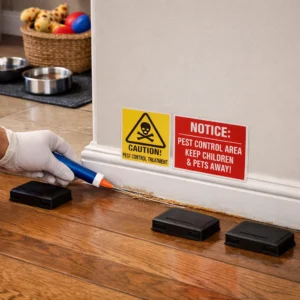
Rodent control often requires follow-up visits to check traps, bait stations, and exclusion measures. Frequency decreases once activity stops.
Warning signs that indicate the need for additional or emergency visits
Even with a treatment plan in place, certain signs indicate that pest control frequency may need to increase.
These warning signs include:
- Sudden increase in pest sightings
- Pests appearing during daytime
- Droppings, gnaw marks, or damage
- Unexplained bites or skin irritation
- No improvement after recent treatment
In these cases, an additional or emergency visit helps prevent the problem from escalating.
How environmental or property changes affect pest control plans
Changes in the environment or property can disrupt an existing pest control schedule.
Common disruptions include:
- Renovations or construction work
- New furniture or appliances
- Landscaping or garden changes
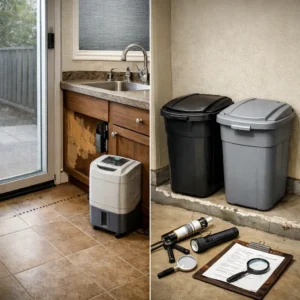
- Plumbing leaks or moisture issues
- Changes in occupancy or usage
When these changes occur, pest control frequency may need to be adjusted temporarily.
Pricing considerations and service planning
Pest control frequency affects overall service planning and cost. More frequent visits are typically needed during active infestations, while preventive maintenance requires fewer interventions.
Rather than focusing on how often to do pest control in isolation, it is more effective to plan services based on risk level, property condition, and pest type.
Professional providers usually explain how frequency impacts service scope and follow-up expectations before starting treatment.
Follow-up expectations after treatment
Follow-ups are an important part of effective pest control. They allow technicians to confirm results, adjust treatment if needed, and address new activity early.
Follow-up visits may include:
- Re-inspection of treated areas
- Monitoring pest activity
- Additional treatment if required
- Updated prevention advice
Choosing the right schedule with professional guidance
Determining how often to do pest control is easier with professional guidance. An experienced provider evaluates the specific situation and recommends a schedule that balances effectiveness, safety, and long-term prevention.
First Station Pest Control Services approaches pest control planning through inspection-led assessment and tailored schedules. Instead of applying a fixed formula, treatment frequency is adjusted based on real conditions, pest behavior, and property needs. For those unsure about the right schedule, discussing the situation with professionals helps create a plan that prevents problems rather than reacting to them.
Conclusion
How often to do pest control depends on many factors, not a single rule. Pest type, property condition, environment, and activity level all influence the right schedule. By understanding these factors, monitoring warning signs, and working with professional guidance, pest control can be planned effectively to protect health, property, and long-term comfort.