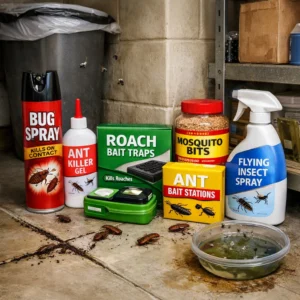
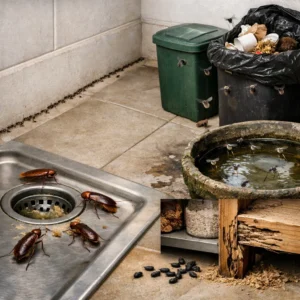
Integrated Pest Management (IPM) is a long-term, ecosystem-based approach designed to control pest populations while minimizing the impact on the environment, human health, and non-target organisms. Unlike traditional pest control methods that often focus solely on eradicating pests, IPM aims to reduce pest damage to acceptable levels through a comprehensive, balanced strategy. This approach is both environmentally friendly and economically viable, making it the preferred choice for sustainable pest control in homes, businesses, agriculture, and urban areas.
Table of Contents
ToggleWhat is Integrated Pest Management (IPM)?
Integrated Pest Management (IPM) is a multifaceted strategy for managing pests that incorporates three main principles:
- Prevention: Reducing the factors that attract pests to a property in the first place.
- Monitoring and Identification: Regularly assessing pest populations to identify and track the level of infestation.
- Control Methods: Applying a combination of control techniques to keep pest populations under control.
IPM integrates these three principles into a comprehensive system that adapts to the specific needs of a situation, promoting long-term prevention and reducing reliance on chemical treatments. This approach minimizes environmental and health risks, making it a sustainable alternative to traditional pest control.
The 5-Step Process of Integrated Pest Management (IPM)
The success of IPM depends on following a structured, systematic process that includes five key steps:
Step 1: Accurate Pest Identification
The first step in an effective IPM program is identifying the pest species correctly. Proper identification is critical because different pests require different management strategies. For example, ants, cockroaches, and termites may appear similar to the untrained eye, but their behaviors and treatment methods vary significantly. Accurate pest identification allows pest control professionals to implement the most appropriate and effective solution.
Step 2: Proactive Monitoring
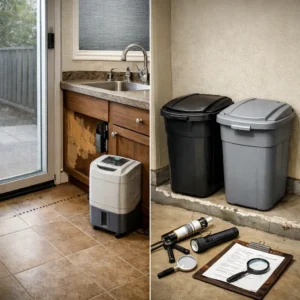
Once the pest has been identified, the next step is to continuously monitor its activity. Monitoring can involve setting up traps, using visual inspections, and even employing technologies like pheromone lures or moisture sensors to detect pest presence early. Proactive monitoring ensures that pest populations are tracked, and it helps prevent them from becoming large-scale infestations. Regular monitoring also allows for the early detection of potential problems before they escalate.
Step 3: Establishing Action Thresholds
In IPM, action thresholds define the level of pest activity at which intervention is necessary. This step is essential because it prevents unnecessary treatments. Instead of reacting immediately upon sighting a pest, IPM encourages pest managers to wait until the pest population reaches a level that is likely to cause harm to property, health, or the economy. Action thresholds are based on specific pest species, their behavior, and the particular environment they occupy. For instance, a few ants may not warrant action, but if they begin to invade food storage areas, treatment becomes necessary.
Step 4: Implementing Diverse Control Methods
The heart of IPM is its multi-pronged approach to pest control. It combines different techniques, including:
- Cultural Control Methods: These include changes to farming or building practices, sanitation, or habitat modifications that reduce the pest’s access to food, water, and shelter. For example, in agriculture, rotating crops can reduce the buildup of pests that favor certain crops.
- Physical and Mechanical Control Methods: These methods use barriers, traps, and other physical solutions to keep pests away from targeted areas. For example, sealing cracks in walls to prevent rodents from entering a home or setting up traps for rodents and insects.
- Biological Control Methods: Biological control uses natural predators, parasites, or pathogens to control pest populations. An example of biological control would be introducing ladybugs to control aphid populations or using nematodes to target soil-dwelling insect larvae.
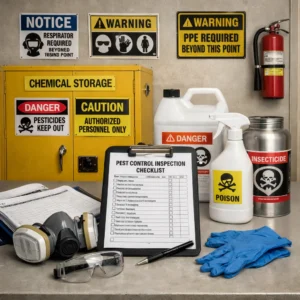
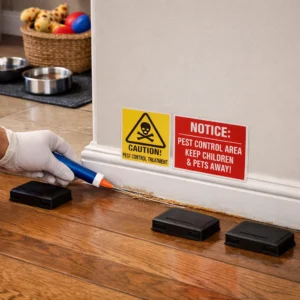
- Chemical Control Methods: While chemical treatments are often seen as a last resort in IPM, they are sometimes necessary to quickly bring a pest problem under control. However, chemicals are used with extreme caution, focusing on environmentally responsible, low-toxicity products that target only the pest species, avoiding collateral damage to non-target organisms.
By combining these methods, IPM offers a more balanced and holistic approach compared to traditional pest control methods that rely almost exclusively on chemical treatments.
Step 5: Ongoing Evaluation
IPM is a continuous process. After implementing control methods, ongoing evaluation is essential to assess whether the desired pest control has been achieved and whether the infestation has been effectively reduced. It involves monitoring pest populations to determine if they are within acceptable levels. Regular evaluation also helps to adjust pest control strategies to ensure long-term success. If pests return, the process can be adapted by modifying action thresholds, treatment types, or monitoring methods.
Preventative Techniques in Integrated Pest Management
The key to successful IPM is prevention. The primary goal of this approach is to reduce the conditions that attract pests in the first place. Several methods are used to create an unfavorable environment for pests:
- Eliminating food sources: Pests are attracted to food and waste. Keeping food in sealed containers, promptly cleaning up spills, and ensuring that garbage is regularly removed are essential preventive steps.
- Eliminating water sources: Standing water and leaky pipes provide water for pests. Fixing leaks, drying damp areas, and ensuring proper drainage are key steps in preventing pest infestations.
- Sealing structural gaps: Pests can enter buildings through cracks in walls, around doors, windows, or vents. Sealing these entry points prevents pests from gaining access to the home or business.
- Proper sanitation: Keeping living and working areas clean helps reduce the attraction for pests. This includes routine cleaning, vacuuming, and removing food waste promptly.
Prevention is the foundation of IPM. By addressing the root causes of pest problems, IPM reduces the need for reactive treatments and offers a long-term solution.
Action Thresholds: When is it Time to Take Action?
IPM focuses on identifying when intervention is needed based on the pest population, not simply reacting to every sighting of a pest. An action threshold is a predetermined level of pest activity that indicates when control methods are necessary. These thresholds are established by considering factors such as the pest species, the level of damage it can cause, and the specific environment.
For example, in agriculture, action thresholds might involve counting a certain number of pests per square meter of crops. In a home or office, pest sightings may trigger action only once a specific number of pests or visible damage has occurred. This ensures that pest control measures are applied only when necessary, avoiding overuse of chemicals and unnecessary expenses.
The Economic and Environmental Benefits of IPM
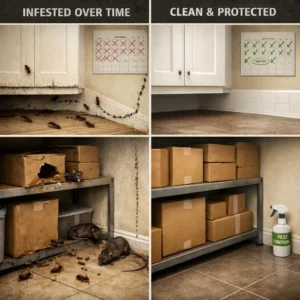
One of the biggest advantages of Integrated Pest Management is its long-term cost-effectiveness. By addressing the pest problem at the source and preventing further infestations, IPM reduces the need for repeated chemical treatments, lowering overall pest control costs.
Environmental sustainability is another major benefit of IPM. By relying on fewer chemical pesticides and implementing eco-friendly methods like biological control and habitat modification, IPM significantly reduces the impact on non-target organisms and the environment. The targeted, environmentally responsible approach of IPM helps preserve biodiversity, improves air and water quality, and reduces exposure to harmful chemicals for people and pets.
Why Choose Integrated Pest Management Over Traditional Pest Control?
Traditional pest control methods tend to focus on immediate, often temporary relief by using large amounts of chemical pesticides. While this may appear effective at first, these methods often result in recurrent pest problems and greater environmental harm.
IPM, on the other hand, focuses on long-term prevention and a combination of methods that address the root causes of pest infestations. By using IPM, you can:
- Minimize the use of chemical pesticides
- Reduce the risk of pests returning
- Ensure the safety of your family, employees, and pets
- Lower long-term pest control costs
- Protect the environment and preserve biodiversity
Conclusion: Integrated Pest Management as the Future of Pest Control
Integrated Pest Management offers a sustainable, cost-effective, and eco-friendly approach to pest control. By combining prevention, monitoring, and control methods, IPM provides long-term solutions that reduce the need for repeated treatments and minimize environmental impact. Whether you are dealing with a minor pest issue or managing pests in a business or agricultural setting, IPM ensures a balanced, environmentally responsible approach to pest control.