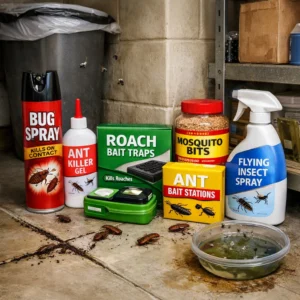
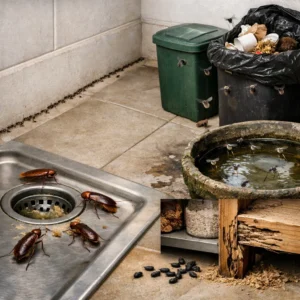
Kitchens are one of the most sensitive areas in any home or business. They combine food, water, heat, and hidden spaces—all the things pests need to survive. This is why kitchen deep cleaning and pest control should never be treated as two separate tasks. Deep cleaning removes what attracts pests, while pest control addresses the insects or rodents that have already found a way in. When done together and in the correct order, they significantly reduce the risk of recurring infestations.
This article explains how kitchen deep cleaning and pest control work together, starting with a practical checklist of hidden areas that are often missed. It explores why pests are naturally drawn to kitchens, how exclusion and sealing should be part of deep cleaning, the difference between deep cleaning and sanitizing, professional-grade DIY techniques, safety and cross-contamination control, realistic pricing considerations, and finally a simple weekly maintenance routine to help keep pests away long term.
Table of Contents
ToggleWhy kitchens are the highest-risk area for pests
Kitchens offer everything pests need in one place. Even in clean-looking kitchens, hidden residues and moisture can support pest activity without being obvious to occupants.
Pests are attracted to kitchens mainly because of:
- Grease buildup on surfaces and behind appliances
- Food residue in hard-to-reach areas
- Moisture from sinks, dishwashers, and condensation
- Warmth from appliances
- Small gaps and cracks that provide shelter
Without proper kitchen deep cleaning and pest control, these conditions allow pests to hide, breed, and spread before they are noticed.
Hidden kitchen areas most people miss during cleaning
Surface cleaning alone is not enough. Many infestations start in areas that are rarely checked or cleaned.
A thorough kitchen deep cleaning checklist should always include:
- Refrigerator coils and drip trays: Grease and dust buildup here attracts cockroaches and ants.
- Refrigerator door gaskets: Food particles and moisture get trapped in the rubber seals.
- Dishwasher filters: Food debris collects and creates odor and moisture.
- Cabinet kickplates: The space beneath cabinets is a common nesting area.
- Floor cracks and grout lines: Crumbs and grease sink into gaps.
- Behind ovens and stoves: Heat and grease make ideal hiding spots.
- Sink drain edges and plumbing voids: Constant moisture supports pest activity.
Ignoring these areas weakens both cleaning and pest control efforts.
Why pests keep returning even after cleaning
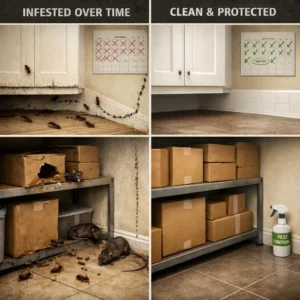
Many people clean their kitchens thoroughly yet still experience recurring pest issues. This usually happens because cleaning alone does not remove the underlying conditions that allow pests to return.
Common reasons include:
- Grease trails left behind walls or appliances
- Moisture leaks under sinks or behind dishwashers
- Unsealed gaps around pipes and cabinets
- Food stored in unsealed containers
- Shared walls or drains in apartments and commercial kitchens
This is where kitchen deep cleaning and pest control must work together instead of being treated separately.
Exclusion techniques that should be done during deep cleaning
Exclusion means physically blocking pests from entering or hiding in your kitchen. Deep cleaning is the ideal time to perform exclusion work because all surfaces and gaps are visible.
Effective exclusion steps include:
- Sealing gaps around pipes with food-safe sealant
- Closing cracks in walls and floors
- Repairing loose cabinet panels
- Replacing damaged door gaskets
- Installing drain covers where appropriate
These steps dramatically improve the effectiveness of kitchen deep cleaning and pest control by removing access points.
Deep cleaning vs sanitizing: what is the difference
Deep cleaning and sanitizing are often confused, but they serve different purposes.
Deep cleaning focuses on removing:
- Grease buildup
- Food residue
- Dirt and organic matter
- Hidden contamination
Sanitizing focuses on:
- Reducing bacteria and pathogens
- Disinfecting food-contact surfaces
- Improving hygiene standards
For pest prevention, deep cleaning is the foundation. Sanitizing alone does not remove food sources or nesting conditions. When combined correctly, kitchen deep cleaning and pest control reduce both attraction and infestation.
Decluttering and dry vacuuming for pest prevention
Professional cleaners and pest control technicians often begin with decluttering and dry vacuuming before applying liquids or chemicals.
This approach helps by:
- Removing eggs, droppings, and food particles
- Reducing cross-contamination
- Allowing inspection of hidden areas
- Preventing grease from spreading during wet cleaning
Using a HEPA-filter vacuum in cabinet corners, kickplates, and floor cracks is especially effective as part of kitchen deep cleaning and pest control.
Professional-grade DIY inspection techniques
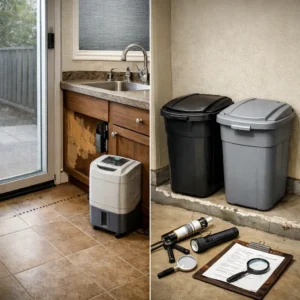
You do not need advanced tools to identify hidden kitchen contamination. Some professional inspection methods can be safely used at home.
Effective inspection techniques include:
- Using a flashlight to inspect behind appliances at night
- Checking for grease shine along walls and cabinet edges
- Looking for droppings under sinks and appliances
- Monitoring sticky traps to detect activity patterns
These methods help identify whether kitchen deep cleaning and pest control are needed urgently.
Natural cleaning agents and their role in pest deterrence
Some natural cleaning agents can act as mild pest deterrents when used correctly.
Common options include:
- Vinegar for degreasing and odor removal
- Baking soda for moisture absorption
- Lemon-based cleaners to disrupt scent trails
However, these solutions have limitations. They may discourage pests temporarily but do not eliminate infestations. This is why natural methods should support, not replace, professional kitchen deep cleaning and pest control.
Correct order: cleaning first or pest control first
One of the most common mistakes is applying pest control treatments before cleaning.
The correct order is:
- Declutter and dry vacuum
- Deep clean and degrease all surfaces
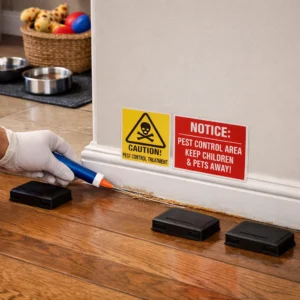
- Seal gaps and perform exclusion
- Apply pest control treatment if needed
- Sanitize food-contact areas last
This sequence prevents chemicals from being wiped away and ensures maximum effectiveness.
Food-safe zones and cross-contamination control
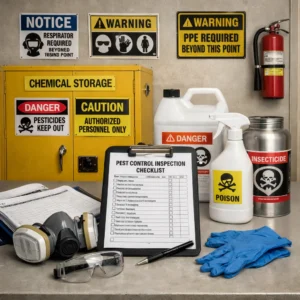
During kitchen deep cleaning and pest control, food safety must always be prioritized.
Key practices include:
- Removing or covering all food items
- Separating cleaning tools from food zones
- Allowing proper drying time before food use
- Following re-entry guidelines after pest treatment
These steps protect families, staff, and customers from exposure risks.
Pricing considerations for kitchen deep cleaning and pest control
Pricing varies depending on kitchen size, condition, and pest severity. Understanding typical numbers helps set realistic expectations.
For pest control services related to kitchens, residential insect treatment often starts from AED 119 for studio apartments, increasing based on unit size and infestation level. Rodent-related kitchen pest control may start from AED 79 depending on the situation.
Commercial kitchen pest control pricing is usually calculated by area, with small spaces often starting from AED 120 and increasing based on square meter coverage and risk level.
Deep cleaning pricing is usually assessed based on kitchen size, grease buildup, and labor intensity. While deep cleaning and pest control are priced separately, combining them often reduces repeat costs by preventing reinfestation.
All pest control pricing refers to basic treatment. Final pricing is confirmed after inspection, and customers are informed clearly before work begins.
Ongoing maintenance: a simple weekly routine
Long-term success depends on consistency. A simple weekly routine helps maintain the results of kitchen deep cleaning and pest control.
Weekly maintenance checklist:
- Wipe grease from cabinet edges and handles
- Clean sink drains and dishwasher filters
- Check under appliances for crumbs or moisture
- Empty trash daily and clean bins weekly
- Inspect for new gaps or leaks
This routine significantly reduces the chance of future infestations.
Why professional support still matters
Even with good cleaning habits, some pest problems require professional intervention. Hidden infestations, shared building systems, and structural access points cannot always be handled with DIY methods.
First Station Pest Control Services approaches kitchen deep cleaning and pest control through inspection-led treatment, transparent pricing, and safe application methods. For kitchens with recurring pest issues or high hygiene requirements, discussing the situation early using the WhatsApp or Call button at the top of the page helps prevent escalation and unnecessary costs.
Conclusion
Kitchen deep cleaning and pest control work best when treated as one integrated process. By addressing hidden contamination, sealing entry points, following the correct cleaning order, understanding pricing, and maintaining simple routines, kitchens can remain safer, cleaner, and far less attractive to pests over the long term.