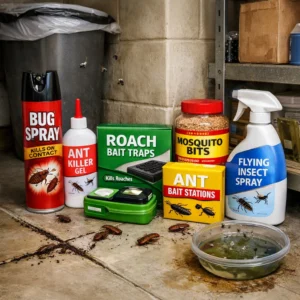
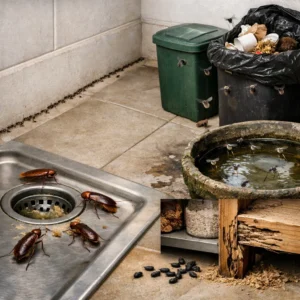
Searching for near me pest control often happens when a problem already feels urgent. You may see insects during the day, hear noises at night, or worry about health and hygiene. However, choosing the closest or most visible company online does not always lead to the best outcome. This guide explains 7 practical tips to help you find the real best pest control service—not just the nearest one—while also showing what you can safely do yourself and where DIY should stop.
Tip 1: Treat “near me” search results as a starting point, not a decision
When you type near me pest control into a search engine, the results are shaped by distance, advertising, and online activity. This means the first result is not automatically the most experienced or reliable option. Some companies appear “near” you online but operate from far away or rely on subcontractors.
The real best approach is to use these results as a shortlist. Select three to five providers and compare them calmly instead of booking the first name you see.
Quick checks you can do in minutes:
- Is the company clear about where they operate and how they serve your area?
- Does the contact information match across the website and map listing?
- Do they explain how they work, or do they only promise fast results?
DIY step you can do now: Start a simple pest log. Note where you see pests, how often, and at what time of day. A serious provider will value this information because it helps with proper diagnosis.
Tip 2: Choose inspection-first pest control, not spray-first solutions
The real best pest control service does not start with spraying chemicals everywhere. It starts with inspection. Pests are usually a symptom of deeper issues such as entry points, food sources, moisture, or hidden nesting areas.
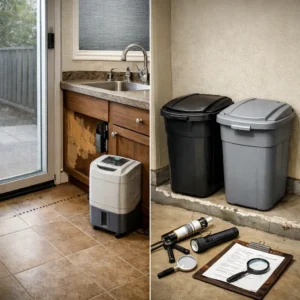
A reliable provider should be able to explain their inspection process clearly. Inspection often includes:
- Identifying the pest based on signs and behavior
- Checking entry points like door gaps, cracks, and pipe openings
- Locating nesting or hiding areas behind appliances and storage
- Assessing moisture sources such as leaks or condensation
- Understanding daily habits that attract pests
If inspection is skipped, treatment often becomes temporary.
DIY step you can do now: Inspect common risk areas yourself. Look under sinks, behind refrigerators, near drains, and around garbage zones. Take photos to compare with the professional inspection later.
Tip 3: Make sure the provider understands your specific pest
Pest control is not one-size-fits-all. Cockroaches, bed bugs, ants, termites, rodents, mosquitoes, flies, and mites behave very differently. Each requires a specific approach.
The real best near me pest control provider can explain these differences simply. For example, cockroaches often require targeted treatment and hygiene adjustments, while bed bugs require careful handling to avoid spreading. Ants need colony-focused strategies, and rodents require exclusion and contamination control.
You can explore how treatment approaches differ by pest through dedicated service explanations such as cockroach control, bed bug control, and ant control. These pages show how inspection, treatment, and prevention vary.
DIY boundary: If you suspect bed bugs, avoid moving furniture or bedding between rooms. This common DIY mistake spreads infestations. At this point, professional handling is usually safer.
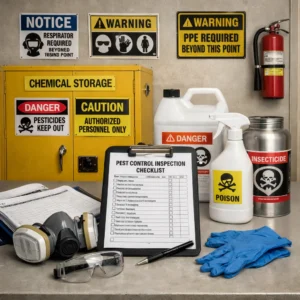
Tip 4: Ask about safety in practical terms
Safety is one of the clearest signs of quality. A reliable pest control service explains safety calmly, without fear-based language or vague promises.
Useful questions to ask include:
- What preparation is required before treatment?
- Is there a recommended re-entry time?
- How are kitchens and food areas protected?
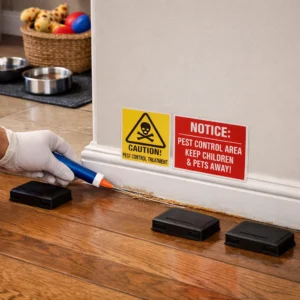
- What precautions are needed for children or pets?
DIY step you can do now: Reduce attractants safely. Seal food, clean grease and crumbs, fix leaks, dry damp areas, and reduce clutter. These steps are safe and improve treatment effectiveness.
Tip 5: Read reviews for details, not just star ratings
Star ratings alone can be misleading. The real best pest control providers usually have reviews that mention inspection quality, clear explanations, clean work, and prevention advice.
When reading reviews, look for:
- Mentions of inspection and diagnosis
- Clear communication and realistic expectations
- Advice on preventing pests from returning
- Results that last beyond a few days
DIY step you can do now: Compare reviews with your pest log. If pests appear during the day or in multiple rooms, prioritize providers known for structured inspection.
Tip 6: Compare pricing transparency, not just the cheapest option
Choosing the cheapest near me pest control option often leads to repeat problems. Low prices may cover limited areas or skip inspection, which increases long-term cost.
Professional pest control pricing usually depends on:
- Pest type
- Property size and layout
- Infestation severity
- High-risk zones such as kitchens or storage
- Safety requirements
Professional services provide estimates after understanding the situation and request approval before starting work. To understand how pricing is generally structured and to check the most current references, you can visit the pricing page.
Tip 7: Choose prevention-focused pest control
The real best pest control focuses on prevention, not just removing visible pests. Without prevention, infestations often return.
Prevention usually includes:
- Sealing entry points
- Reducing moisture
- Improving hygiene routines
- Organizing storage areas
- Monitoring high-risk zones
This applies to rodents as well. For example, structured approaches like rat control and mouse control focus on exclusion and monitoring to prevent re-entry.
Understanding costs, risks, and when to ask for help
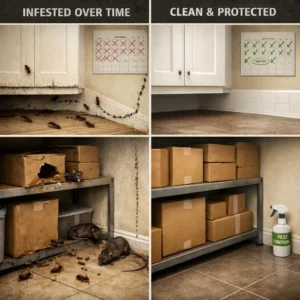
Pest problems rarely remain small when ignored. Over time, they can affect health through bites, allergies, and contamination. They can also damage furniture, wiring, wood, and building materials, increasing repair costs.
DIY steps are useful at an early stage, especially cleaning, sealing small gaps, and reducing attractants. However, repeated DIY attempts often cost more in the long run when pests return or spread.
All pest control prices are for basic treatment only. The final price is always determined after inspection by a specialist, based on the size of the area, infestation level, and site conditions. There are no hidden fees, and approval is always given before work begins.
For the most accurate and current cost references, it is best to check the pricing page. If your concern involves specific pests, you may also want to review related service explanations such as cockroach control, bed bug control, or mosquito control to understand how treatment approaches differ.
If you are unsure whether your DIY steps are still enough or want to prevent the problem from growing, using the WhatsApp or Call button at the top right allows you to discuss your situation calmly with the First Station Pest Control Services team.
Conclusion
DIY pest control can help in the early stages, but finding the real best near me pest control service requires more than proximity. Inspection-first methods, pest-specific strategies, safety awareness, transparent pricing, and prevention planning are what truly protect your health and property in the long term.