Understanding pest building inspection cost is an important step for anyone buying, selling, or maintaining a property. Pest inspections are often associated with home purchases, but they are equally relevant for existing homeowners and property investors who want to avoid unexpected repair costs. While inspection fees may seem like an extra expense during a transaction, the information gained from a proper inspection can prevent far greater financial losses later.
This article explains the typical pest building inspection cost in the context of property purchases, why inspection prices vary, the difference between standalone pest inspections and combined building-plus-pest inspections, and the factors that influence pricing such as property size, location, and inspection methods. It also explains the real value and return on investment of pest inspections, what is usually included and excluded in an inspection report, the risks of choosing the cheapest option, and how buyers can interpret and use inspection findings during negotiations.
Table of Contents
ToggleWhat a pest building inspection actually is
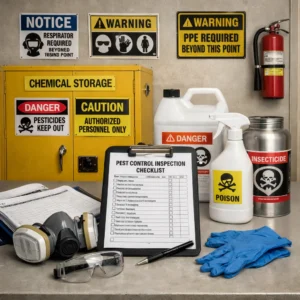
A pest building inspection is a structured assessment of a property to identify current or potential pest activity that may affect the building’s condition, safety, or long-term value. The inspection focuses on signs of infestation, damage caused by pests, and environmental conditions that make the property vulnerable.
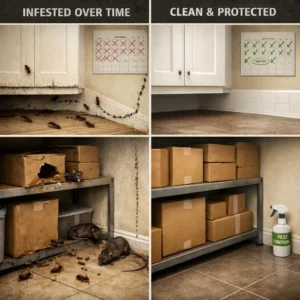
Common pests assessed during a building inspection include termites, wood-boring insects, rodents, cockroaches, ants, and in some cases mold-related issues that indicate moisture problems. The inspection is usually visual and non-invasive, meaning inspectors assess accessible areas without dismantling structures.
For buyers, a pest inspection provides insight into risks that may not be visible during a normal property viewing. For sellers, it helps identify issues early and avoid disputes later.
Typical pest building inspection cost and price ranges
The pest building inspection cost varies depending on the type of inspection, property size, and level of detail required. While prices differ by region and provider, typical ranges can be used as a general guide.
For a standalone pest inspection on a residential property:
- Small apartments or studios: approximately AED 300 to AED 500
- Standard apartments or townhouses: approximately AED 400 to AED 700
- Villas or large residential properties: approximately AED 600 to AED 1,200
For a combined building and pest inspection:
- Small to mid-sized residential properties: approximately AED 700 to AED 1,200
- Larger villas or complex structures: approximately AED 1,200 to AED 2,000+
These figures represent inspection services only and do not include treatment or repairs. Actual pricing is confirmed after understanding the property size, layout, and inspection scope.
Why pest building inspection cost varies
There is no single fixed price for pest inspections because properties and inspection requirements differ significantly. Several factors influence pest building inspection cost.
Property size and layout
Larger properties take more time to inspect and often include additional areas such as roof voids, gardens, garages, and storage rooms. Multi-level homes also require more detailed checks.
Property type
A studio apartment, a townhouse, and a detached villa each present different inspection challenges. Commercial or mixed-use buildings often require customized inspections.
Location and accessibility
Properties with limited access to roof spaces, crawl spaces, or service ducts may require specialized tools or additional time.
Inspection method used
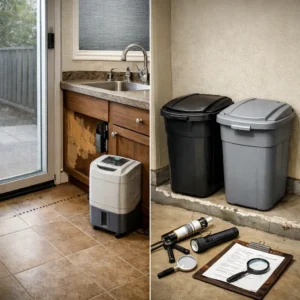
Basic visual inspections are less expensive than advanced inspections that use moisture meters, thermal imaging, or specialized termite detection equipment.
Inspector expertise and reporting quality
Experienced inspectors who provide detailed reports with photographs and clear explanations often charge more than basic inspection services.
Standalone pest inspection vs. building-plus-pest inspection
Understanding the difference between these two inspection types helps buyers choose the right option.
Standalone pest inspection
This inspection focuses solely on pest-related issues such as active infestations, signs of past activity, and conditions that attract pests. It is suitable when:
- The building structure has already been assessed
- The buyer is mainly concerned about termite or pest risk
- The property is relatively new or well-maintained
Standalone pest inspections usually cost less but do not cover structural defects unrelated to pests.
Combined building and pest inspection
This option combines pest assessment with a general building condition report. It is often recommended for property purchases because it provides a broader view of risks.
Combined inspections cover:
- Pest activity and damage
- Structural issues related to moisture or deterioration
- Visible defects that may increase pest risk
Although the combined option has a higher pest building inspection cost, it often delivers better overall value.
What is usually included in a pest inspection report
A professional pest inspection report should be clear, detailed, and easy to understand. Buyers rely on this document when deciding how to proceed.
Key elements that should be included:
- Inspection date and property details
- Areas inspected and any access limitations
- Identified pest species or signs of activity
- Evidence of damage, such as timber deterioration
- Environmental conditions that increase pest risk
- Photographs supporting findings
- Clear explanations in non-technical language
A good report does not just list problems but explains their significance.
What is commonly excluded from pest inspections
Understanding exclusions is just as important as knowing what is included.
Most pest inspections do not include:
- Invasive inspections behind walls or under floors
- Inspection of sealed or inaccessible areas
- Guarantees that pests are completely absent
- Treatment or repair work
These limitations should be clearly stated in the report.
Basic vs. advanced pest inspections
Not all inspections are the same. Buyers should understand the difference between basic and advanced options.
Basic inspection
A basic inspection relies mainly on visual assessment and may identify obvious issues. It is usually cheaper but may miss hidden problems.
Advanced inspection
Advanced inspections use tools such as moisture meters or thermal imaging to detect hidden conditions that attract pests. These inspections cost more but provide deeper insight.
Using inspection findings for negotiation
The real value of understanding pest building inspection cost comes from how the findings are used. Inspection results can support negotiation during property purchases.
Buyers may use reports to:
- Request repairs before settlement
- Negotiate a price reduction
- Request professional treatment before purchase
- Decide to walk away from high-risk properties
Even minor findings can strengthen a buyer’s position when supported by a professional report.
Return on investment of a pest inspection
Although inspection fees may seem small compared to property prices, the return on investment can be significant.
Early detection of termite activity, moisture problems, or rodent damage can prevent repair costs that reach tens of thousands of dirhams. In this context, pest building inspection cost is minimal compared to potential losses.
Risks of choosing the cheapest inspection option
Low-cost inspections often come with limitations. Choosing the cheapest option may result in:
- Incomplete inspections
- Minimal reporting with no photos
- Lack of proper tools
- Missed warning signs
An inspection that fails to identify major risks provides false confidence rather than real protection.
How buyers should interpret inspection results
Inspection reports should be read carefully and discussed with professionals if needed.
Buyers should focus on:
- Severity and location of issues
- Whether damage is active or historical
- Likelihood of spread or recurrence
- Estimated cost of treatment or repair
Not all findings mean a property is unsuitable, but they should always inform the decision-making process.
A practical next step after receiving a pest inspection report
Inspection findings often raise questions about treatment, prevention, and future risk. While inspections identify issues, they do not resolve them.
First Station Pest Control Services supports buyers and property owners by explaining inspection results clearly and recommending appropriate next steps. Whether treatment is required immediately or preventive measures are enough, discussing findings with professionals helps avoid unnecessary expenses and ensures informed decisions.
Conclusion
Pest building inspection cost should be viewed as an investment rather than an expense. By understanding pricing ranges, inspection types, and report details, buyers and owners can use inspection findings to negotiate confidently, prevent costly repairs, and protect long-term property value.