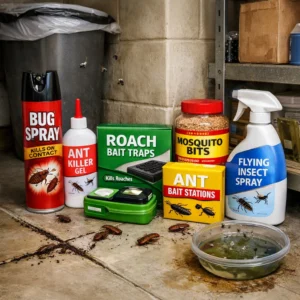
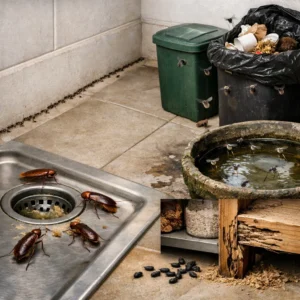
Pest issues often create more than just visible mess. They bring stress, hygiene worries, and concerns about health—especially when they happen inside homes or workplaces where people spend long hours every day. Many people focus on getting rid of the pests themselves, but an equally important part of recovery is pest cleaning. Without proper cleaning after pest activity, residues left behind can continue to attract pests, affect indoor air quality, and create hidden health risks.
This article explains what pest cleaning really involves, why surface cleaning alone is not enough, how pest-related contamination spreads, and how a structured cleaning approach helps protect household and workplace health. It also compares DIY pest cleaning with professional remediation, highlights commonly overlooked areas, explains suitable cleaning tools and product types, and clarifies when professional pest cleaning becomes necessary for long-term cleanliness and prevention.
Table of Contents
ToggleAcknowledging stress and hygiene concerns caused by pests
Pests often trigger emotional stress alongside physical discomfort. Seeing cockroaches, rodents, ants, or insects in living or working spaces can make people feel unsafe, embarrassed, or overwhelmed. In workplaces, pest presence may raise concerns about compliance, reputation, and employee well-being.
Beyond the emotional impact, pests introduce real hygiene challenges. Droppings, shed skin, saliva, urine, and microscopic particles can remain long after pests are removed. These residues may contaminate surfaces, food areas, storage spaces, and air circulation systems.
Reframing the issue from simply “getting rid of pests” to protecting health helps people understand why pest cleaning is not optional. Proper pest cleaning supports:
- Healthier indoor environments
- Reduced allergy and respiratory risks
- Lower chance of reinfestation
- Restored comfort and confidence in the space
Why surface cleaning is not enough after pest activity
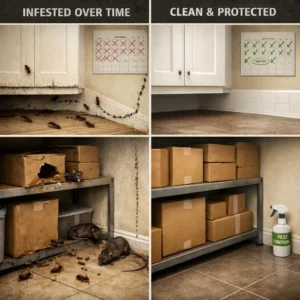
Standard household or workplace cleaning usually focuses on visible dirt. Wiping counters, sweeping floors, and mopping surfaces may make an area look clean, but it rarely addresses pest-related contamination.
After pest activity, invisible residues often remain, including:
- Pheromone trails that guide insects back to the same area
- Droppings and urine particles that spread bacteria
- Dander and shed skin that trigger allergies
- Biohazards hidden in cracks, appliances, and ducts
Without proper pest cleaning, these residues can continue to attract pests even after extermination. In some cases, people notice pests returning weeks later and assume treatment failed, when the real issue is incomplete cleaning.
What pest cleaning actually involves
Pest cleaning goes beyond normal cleaning routines. It is a focused process aimed at removing contamination left behind by pests and restoring a safe, hygienic environment.
Effective pest cleaning typically includes:
- Removal of droppings, nesting materials, and debris
- Cleaning of pheromone trails and scent markers
- Sanitization of affected surfaces
- Attention to hidden and hard-to-reach areas
- Supportive steps to reduce future pest attraction
This approach is essential after infestations involving insects, rodents, or repeated pest activity.
A step-by-step pest cleaning approach
Step 1: Exclusion of entry points
Before deep cleaning begins, it is important to reduce the chance of pests re-entering the space. Pest cleaning is most effective when combined with basic exclusion measures.
This step may involve:
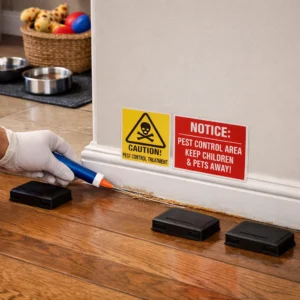
- Sealing cracks and gaps around doors, windows, and pipes
- Repairing damaged screens or vents
- Reducing access to food and water sources
Without exclusion, cleaning alone may not prevent future problems.
Step 2: Removal of visible contamination
The next step focuses on removing visible signs of pest activity. This includes droppings, nesting materials, dead insects, and contaminated debris.
Protective measures such as gloves and masks are important during this stage, as pest waste can contain harmful bacteria and allergens.
Step 3: Deep sanitization of affected areas
After visible debris is removed, deep sanitization begins. This step targets surfaces that may look clean but still carry contamination.
Areas commonly sanitized include:
- Kitchen counters and cabinets
- Bathroom fixtures and storage
- Floors, baseboards, and wall edges
- Appliance exteriors and interiors
Sanitization helps neutralize bacteria and reduces lingering odors that attract pests.
Step 4: Addressing hidden biohazards
Hidden areas are often the most overlooked but also the most critical in pest cleaning.
These areas may include:
- Behind refrigerators and ovens
- Under sinks and inside cabinets
- Inside wall crevices and floor gaps
- Air ducts and ventilation systems
Ignoring these spaces allows contamination to persist and undermines the effectiveness of cleaning.
Step 5: Establishing prevention habits
The final step focuses on prevention. Pest cleaning should be followed by habits that maintain cleanliness and reduce future risk.
Helpful prevention habits include:
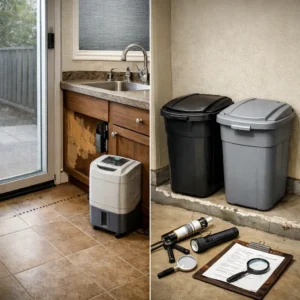
- Regular inspection of high-risk areas
- Prompt cleaning of spills and food residue
- Proper waste storage and disposal
- Routine maintenance of plumbing and ventilation
Commonly overlooked areas during pest cleaning
Even thorough cleaners often miss areas that pests frequently use.
Commonly overlooked spots include:
- Inside and behind appliances
- Under heavy furniture
- Behind wall-mounted units
- Inside storage rooms and closets
- Ceiling voids and false ceilings
These areas often contain droppings, dander, and scent trails that contribute to reinfestation.
Appropriate tools and product types for pest cleaning
Using the right tools and products makes pest cleaning safer and more effective.
Commonly recommended tools include:
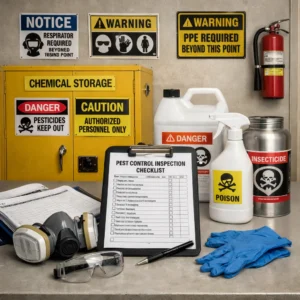
- HEPA-filter vacuums to capture fine particles and allergens
- Protective gloves and masks
- Sealed waste bags for contaminated debris
In terms of cleaning products, pest cleaning often benefits from:
- Enzymatic cleaners that break down organic residues
- Disinfectants suitable for household and workplace use
- Low-odor solutions for enclosed spaces
These product types help remove scent markers and biological material without spreading contamination.
DIY pest cleaning versus professional remediation
DIY pest cleaning can be effective for very small or early-stage issues, especially when pest activity is limited and well contained.
DIY pest cleaning: strengths and limits
DIY pest cleaning may be suitable when:
- Pest activity was minor and short-lived
- Contamination is limited to visible areas
- No sensitive occupants are involved
However, DIY approaches often struggle with:
- Hidden contamination
- Airborne particles and allergens
- Incomplete removal of pheromone trails
- Safety risks during handling of waste
Professional pest cleaning: advantages
Professional pest cleaning services are designed for situations where contamination is extensive or health risks are higher.
Professional remediation offers:
- Systematic inspection of affected areas
- Access to specialized equipment
- Controlled handling of biohazards
- Clear process and accountability
- Better long-term results
Professionals are also trained to clean areas that are difficult or unsafe to access without proper equipment.
Cost transparency and guarantees in pest cleaning
Cost transparency is important when deciding between DIY and professional pest cleaning. DIY cleaning may appear cheaper upfront, but incomplete results can lead to recurring pest issues and additional expenses.
Professional pest cleaning typically provides clearer expectations, including:
- Defined scope of cleaning
- Clear explanation of what is included
- Guidance on follow-up or maintenance
While guarantees vary, professional services usually explain what results can realistically be expected and what conditions support long-term cleanliness.
When professional pest cleaning becomes necessary
Professional pest cleaning is often necessary when:
- There was a significant infestation
- Rodents or heavy insect activity were involved
- Occupants experience allergies or health symptoms
- Pests have returned after initial treatment
- The space must meet hygiene or safety standards
In these cases, professional pest cleaning helps restore the environment and reduce the risk of ongoing problems.
Protecting long-term cleanliness and pest prevention
Pest cleaning is not just about cleaning once—it is about maintaining an environment that discourages pests from returning. Combining thorough cleaning with good habits and proper pest control creates the strongest protection.
When pest cleaning is done correctly, it supports healthier living and working spaces, reduces stress, and helps ensure that pest problems remain under control rather than becoming recurring disruptions.
Conclusion
Pest cleaning plays a critical role in protecting household and workplace health after pest activity. By understanding the difference between surface cleaning and deep pest-related cleaning, following a structured approach, using appropriate tools, and knowing when professional remediation is needed, people can restore cleanliness effectively and reduce the risk of future infestations.